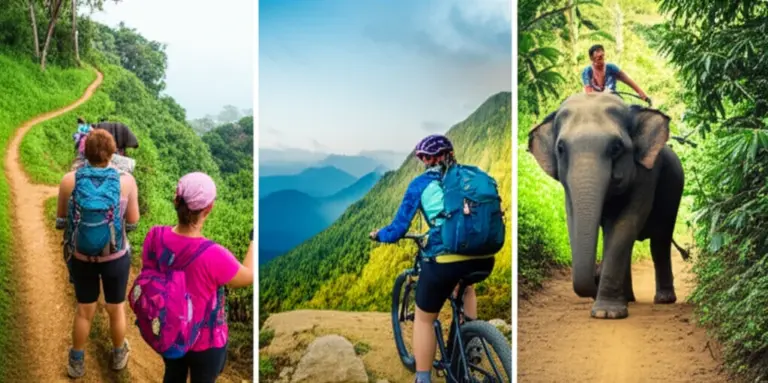
กิจกรรมผจญภัยและลุยธรรมชาติ: เทรคกิ้งดอยอินทนนท์ ขี่ช้างอย่างรับผิดชอบ ปั่นจักรยานเสือภูเขาและล่องแก่ง
- กิจกรรมผจญภัยและลุยธรรมชาติ: เทรคกิ้งดอยอินทนนท์ ขี่ช้างอย่างรับผิดชอบ ปั่นจักรยานเสือภูเขาและล่องแก่ง
- Trekking Doi Inthanon: Conquering Thailand’s Highest Peak
- Responsible Elephant Encounters: A Heartfelt Experience
- Thrills on Two Wheels: Mountain Biking Adventures
- White Water Rafting: Navigating Thailand’s Rivers
- Planning Your Thai Adventure: Tips for Travelers
- Conclusion
- คำถามที่พบบ่อย (FAQ)
- Q: Is Doi Inthanon suitable for beginner trekkers?
- Q: How can I ensure an elephant encounter is responsible and ethical?
- Q: What is the best time of year for white water rafting in Thailand?
- Q: Are mountain biking tours available for all skill levels in Northern Thailand?
Thailand, a land renowned for its vibrant culture, exquisite cuisine, and stunning beaches, also boasts a rugged, untamed side perfect for the adventurous soul. Beyond the bustling markets and serene temples lies a world of exhilarating adventure and nature activities: trekking Doi Inthanon, responsible elephant riding, mountain biking, and rafting. For those seeking an adrenaline rush amidst breathtaking landscapes, Northern Thailand offers an unparalleled experience. This guide delves into these thrilling pursuits, emphasizing sustainable and responsible tourism to ensure your adventure leaves a positive impact.
Trekking Doi Inthanon: Conquering Thailand’s Highest Peak
Doi Inthanon, often referred to as ‘The Roof of Thailand,’ stands proudly as the country’s highest mountain, reaching an elevation of 2,565 meters above sea level. Located in Chiang Mai Province, Doi Inthanon National Park is a haven for trekkers, offering diverse trails that wind through lush cloud forests, past majestic waterfalls, and alongside serene Hmong and Karen hill tribe villages. The park’s cool climate, especially at higher altitudes, provides a refreshing escape from Thailand’s tropical heat. [3, 5]
The Majestic Trails of Doi Inthanon
While the summit itself is accessible by road, several enchanting nature trails offer genuine trekking experiences. The Kew Mae Pan Nature Trail is arguably the most popular, a 2.6 km loop that showcases the park’s rich biodiversity. This trail takes you through pristine evergreen forest, across wooden boardwalks suspended above ravines, and opens up to stunning panoramic views of the surrounding mountains and valleys. Another notable trail is the Ang Ka Nature Trail, a short, elevated boardwalk that meanders through a moss-covered cloud forest, home to unique flora and a variety of bird species. For a cultural immersion, consider trails that lead to remote villages like Mae Klang Luang, where you can witness traditional rice terraces and learn about local life. [5, 7]
Flora, Fauna, and Royal Pagodas
Beyond the trails, Doi Inthanon National Park is famous for its impressive waterfalls, including Wachirathan, Mae Ya, and Sirithan, each offering unique beauty and photo opportunities. The park is also a birdwatcher’s paradise, with over 380 species recorded. A highlight for many visitors are the Twin Royal Pagodas, Phra Mahathat Naphamethanidon and Phra Mahathat Naphaphon Bhumisiri, built to commemorate the 60th birthdays of King Bhumibol Adulyadej and Queen Sirikit. These pagodas are set in beautifully manicured gardens with breathtaking views, especially at sunset. [3, 5]
Responsible Elephant Encounters: A Heartfelt Experience
For many visitors to Thailand, interacting with elephants is a dream come true. However, it’s crucial to choose ethical and responsible sanctuaries that prioritize the elephants’ welfare above all else. Avoid places that offer elephant riding, shows, or painting activities, as these often involve cruel training methods and unnatural living conditions for the animals. Instead, opt for sanctuaries where elephants have been rescued and rehabilitated, living in a natural environment.
The Importance of Ethical Elephant Sanctuaries
Ethical elephant sanctuaries focus on allowing elephants to exhibit natural behaviors, such as foraging, socializing, and bathing in mud or water. Visitors typically observe from a respectful distance, participate in preparing food, and sometimes assist with feeding or bathing the elephants in a way that benefits the animals. These experiences are not only more humane but also more rewarding, offering a genuine connection with these magnificent creatures. They often contribute to local conservation efforts and provide education on elephant welfare. [9]
What to Look for in a Responsible Elephant Experience
- No riding: This is the most critical indicator.
- Natural habitat: Elephants should have ample space to roam.
- Focus on observation: The primary activity should be observing the elephants in their natural environment.
- Educational programs: Reputable sanctuaries educate visitors about elephant conservation and the issues facing these animals.
- Positive reviews: Check recent reviews for consistent feedback on ethical practices.
Thrills on Two Wheels: Mountain Biking Adventures
Northern Thailand’s mountainous terrain and extensive network of rural roads and jungle trails make it an ideal destination for mountain biking. From gentle rides through rice paddies to challenging downhill descents, there’s a route for every skill level. Chiang Mai, in particular, has emerged as a hub for mountain biking, offering guided tours and bike rentals.
Scenic Routes and Challenging Terrains
For beginners, gentle trails around the Mae Ping River or through the agricultural areas outside Chiang Mai provide a pleasant introduction. More experienced riders can tackle the challenging single tracks of Doi Suthep-Pui National Park, which offer steep climbs, technical descents, and breathtaking views. Other popular areas include Mae Taeng and Pai, known for their stunning natural beauty and varied trails. Many tour operators provide full suspension bikes, safety gear, and experienced guides who can tailor routes to your preferences and fitness level.
Exploring Northern Thailand by Bike
Mountain biking offers a unique perspective of Thailand’s rural life and natural beauty. You’ll pass through remote villages, witness local farming practices, and encounter diverse flora and fauna. It’s an active way to explore off-the-beaten-path locations and immerse yourself in the local culture. Remember to stay hydrated, wear appropriate gear, and respect local customs and private property.
For an exhilarating splash of adventure, white water rafting in Thailand is an absolute must. The country’s northern rivers, fed by monsoon rains, transform into thrilling playgrounds for rafters, offering a mix of gentle floats and exciting rapids. The Mae Taeng River, near Chiang Mai, is the most popular destination for this activity, providing a fantastic experience for both beginners and seasoned rafters.
Rapids and Rainforests: An Adrenaline Rush
The Mae Taeng River offers rapids ranging from Class II to Class IV, ensuring a good mix of excitement and challenge. As you navigate the river, you’ll be surrounded by dense rainforest, limestone cliffs, and sometimes even glimpse local wildlife. Professional guides accompany each raft, providing safety instructions and ensuring a fun experience for everyone. Rafting trips often include lunch and a visit to a local village, adding a cultural dimension to the adventure.
Best Locations for Rafting in Thailand
While Mae Taeng is the most renowned, other rivers like the Mae Kok in Chiang Rai and the Phang Nga River in Southern Thailand (near Phuket) also offer excellent rafting opportunities, particularly during the rainy season (May to October) when water levels are higher. Always choose a reputable operator with certified guides and well-maintained equipment to ensure your safety.
Planning Your Thai Adventure: Tips for Travelers
To make the most of your adventure in Thailand, a little planning goes a long way. Consider the time of year, your fitness level, and your interests.
Best Time to Visit
The cool and dry season (November to February) is ideal for trekking and mountain biking, with pleasant temperatures and clear skies. For white water rafting, the rainy season (May to October) offers higher water levels and more exhilarating rapids, though you should be prepared for occasional showers. Elephant sanctuaries are generally open year-round.
Essential Gear and Safety
Pack light, breathable clothing, sturdy hiking shoes, a hat, sunscreen, insect repellent, and a reusable water bottle. For rafting, quick-drying clothes and water shoes are recommended. Always inform someone of your itinerary, especially if venturing into remote areas. For organized tours, ensure the operator has a strong safety record and provides all necessary equipment. Purchasing travel insurance that covers adventure activities is also highly advisable.
Conclusion
Thailand offers a captivating blend of cultural richness and thrilling natural adventures. Whether you’re drawn to the serene heights of Doi Inthanon, the heartwarming experience of responsible elephant encounters, the exhilarating rush of mountain biking, or the dynamic challenge of white water rafting, the Land of Smiles promises an unforgettable journey. By choosing ethical operators and practicing responsible tourism, you can ensure your adventure not only creates lasting memories but also contributes positively to the local communities and environment. So, pack your bags, embrace the spirit of adventure, and prepare to explore the wild heart of Thailand!
คำถามที่พบบ่อย (FAQ)
References
- Doi Inthanon National Park – Thai National Parks
- Doi Inthanon National Park – Tourism Authority Of Thailand
- Doi Inthanon National Park – Wikipedia
- Doi Inthanon National Park – Travel guide at Wikivoyage
- A 16 Day Thailand Itinerary for Adventure Lovers! – YouTube
- Thailand Is Wild 18 Insanely Cool Things to Do for First-time Visitors – YouTube