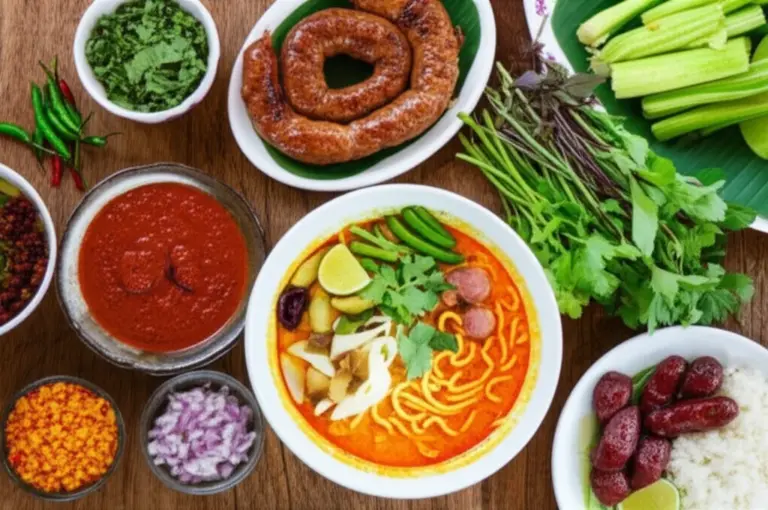
Top Lanna Dishes to Learn in Chiang Mai: Khao Soi, Sai Ua, Nam Prik, and Regional Ingredients Explained
- Top Lanna Dishes to Learn in Chiang Mai: Khao Soi, Sai Ua, Nam Prik, and Regional Ingredients Explained
- The Soul of Lanna Cuisine: A Culinary Tapestry
- Khao Soi: Chiang Mai’s Golden Noodle Masterpiece
- Sai Ua: The Aromatic Northern Thai Sausage
- Nam Prik: The Versatile Northern Chili Dips
- Unveiling Chiang Mai’s Unique Regional Ingredients
- Embark on a Culinary Journey: Learning to Cook Lanna Dishes
- Conclusion
- คำถามที่พบบ่อย (FAQ)
- Q1: What makes Lanna cuisine different from other Thai food?
- Q2: Can I find vegetarian options for Lanna dishes like Khao Soi or Nam Prik?
- Q3: Where is the best place to try authentic Lanna food in Chiang Mai?
- Q4: Are Lanna dishes generally very spicy?
Chiang Mai, often hailed as the cultural capital of Northern Thailand, is not just a city of ancient temples and lush mountains; it’s a vibrant culinary paradise waiting to be explored. For any traveler passionate about food, delving into the unique flavors of Lanna cuisine is an essential part of the Thai experience. This article will guide you through the must-try Lanna dishes, including the iconic Khao Soi, the aromatic Sai Ua, and the diverse Nam Prik chili dips, alongside an explanation of the regional ingredients that give these dishes their distinctive character. Whether you’re a seasoned foodie or a curious newcomer, prepare to have your taste buds tantalized by the authentic tastes of Northern Thailand. [3, 4]
The Soul of Lanna Cuisine: A Culinary Tapestry
Lanna cuisine, originating from the ancient Lanna Kingdom, stands apart from the more widely known Central Thai dishes. Its distinct character is heavily influenced by its geographical neighbors, including Myanmar, Laos, and Southern China. Unlike the often sweet and sour profiles of Central Thai food, Lanna dishes tend to be more savory, less sweet, and feature a profound use of local herbs and spices. This regional cooking emphasizes intense aromas, earthy undertones, and a satisfying depth of flavor that reflects the rich agricultural landscape of Northern Thailand. Expect robust flavors, complex spice blends, and a reliance on fresh, seasonal produce. [7, 14]
Khao Soi: Chiang Mai’s Golden Noodle Masterpiece
No visit to Chiang Mai is complete without savoring a bowl of Khao Soi, the city’s unofficial culinary emblem. This rich, creamy, and mildly spicy coconut curry noodle soup is a symphony of textures and flavors that captivates every palate. It’s truly one of the top Lanna dishes to learn in Chiang Mai. [5, 12]
What Makes Khao Soi Irresistible?
The magic of Khao Soi lies in its harmonious combination of elements. It features both soft, boiled egg noodles submerged in a fragrant coconut milk-based curry broth and a crown of crispy, deep-fried egg noodles. Traditionally, it’s served with tender chicken, beef, or sometimes pork. The broth itself is a complex blend of curry paste, coconut milk, and often a hint of sweetness and tanginess, creating a deeply satisfying and comforting meal. [5, 11]
The Symphony of Flavors
The distinctive taste of Khao Soi comes from its unique curry paste, which typically includes turmeric, chili, ginger, and other aromatic spices. This paste is simmered with rich coconut milk to form the base of the soup. The dish is always served with an array of fresh condiments on the side, allowing diners to customize their experience: pickled mustard greens (pak gat dong), sliced shallots, a wedge of lime, and a spoonful of roasted chili oil (nam prik pao) are essential additions that cut through the richness and add layers of flavor. [11, 13]
Sai Ua: The Aromatic Northern Thai Sausage
Sai Ua, or Northern Thai sausage, is another culinary gem that showcases the region’s love for aromatic herbs and spices. This flavorful grilled sausage is a staple in Lanna cuisine and a must-try for anyone exploring the food scene of Chiang Mai. [3, 6]
A Culinary Herb Garden in Every Bite
What sets Sai Ua apart is its incredible blend of ingredients. Minced pork is mixed with a vibrant paste made from lemongrass, kaffir lime leaves, galangal, dried chilies, and turmeric, among other spices. The sausage is then stuffed into casings and typically grilled over charcoal, giving it a smoky flavor and a slightly crispy exterior. The result is a wonderfully fragrant and savory sausage with a delightful herbal kick, often enjoyed with sticky rice or as a standalone snack. [6]
Nam Prik: The Versatile Northern Chili Dips
Nam Prik, meaning ‘chili paste’ or ‘chili dip,’ forms the heart of many Lanna meals. These versatile dips come in numerous varieties, each offering a distinct flavor profile and level of spiciness. They are typically served with a platter of fresh or blanched vegetables, sticky rice, and sometimes crispy pork rinds. [6]
Nam Prik Ong: The Savory Tomato and Pork Dip
Nam Prik Ong is one of the most popular Lanna chili dips, known for its rich, savory, and slightly sweet and sour taste. It’s made from ground pork, ripe tomatoes, fermented bean paste, and a chili paste that includes dried chilies, garlic, and shallots. The dip has a chunky texture and a vibrant reddish-orange color, making it visually appealing as well as delicious. It’s often paired with crisp raw vegetables like cucumber and cabbage, or steamed greens. [6]
Nam Prik Noom: The Fiery Green Chili Dip
For those who appreciate a good kick of spice, Nam Prik Noom is the go-to dip. This smoky and spicy green chili dip is made primarily from roasted green chilies, garlic, and shallots, all pounded together in a mortar and pestle. Its simple yet potent flavor profile makes it an excellent accompaniment to sticky rice and a wide array of fresh or blanched vegetables, providing a refreshing contrast to richer dishes. [6]
Unveiling Chiang Mai’s Unique Regional Ingredients
The distinctiveness of Lanna cuisine largely stems from the abundance and creative use of local regional ingredients. Chiang Mai’s fertile lands and diverse ecosystems provide a bounty of fresh herbs, spices, and produce that are central to these traditional dishes. Essential herbs like galangal, lemongrass, kaffir lime leaves, and fresh turmeric are used generously, contributing to the aromatic complexity. The region also boasts various types of chilies, from mild to intensely hot, allowing for a wide spectrum of spice levels. Fermented ingredients, such as fermented bean paste (tua nao) and sometimes fermented fish sauce (pla ra), also play a crucial role in adding umami depth to many dishes. Exploring local markets like Warorot Market or Chiang Mai Gate Market offers a fascinating insight into these ingredients, showcasing the vibrant colors and pungent aromas that define Lanna cooking. [4, 7]
Embark on a Culinary Journey: Learning to Cook Lanna Dishes
For those truly captivated by the flavors of Northern Thailand, learning to cook these Lanna dishes is an unforgettable experience. Chiang Mai offers numerous cooking schools that provide hands-on classes, allowing you to master the techniques and understand the cultural significance behind each dish. Many classes begin with a visit to a local market, where you’ll learn about the regional ingredients and how to select the freshest produce. You’ll then proceed to a kitchen, often set in a beautiful, traditional Thai home or organic farm, where expert instructors guide you through the process of preparing dishes like Khao Soi, Sai Ua, and various Nam Prik. This immersive experience offers more than just cooking skills; it’s a deep dive into the heart of Thai culinary traditions and an excellent way to take a piece of Chiang Mai home with you. [3, 6, 8, 10]
Conclusion
The culinary landscape of Chiang Mai is a treasure trove of unique and delicious flavors, with Lanna cuisine standing proudly at its core. From the comforting embrace of Khao Soi to the herbal explosion of Sai Ua and the fiery versatility of Nam Prik, these dishes offer a taste experience unlike any other. Understanding the regional ingredients further enriches this journey, revealing the deep connection between the land and its food. For any traveler to Chiang Mai, exploring these top Lanna dishes, and perhaps even learning to prepare them, promises a truly authentic and unforgettable encounter with Northern Thai culture. Embark on this delicious adventure and let the flavors of Lanna leave an indelible mark on your culinary memory.
คำถามที่พบบ่อย (FAQ)
References
- Grandma’s Home Cooking School
- Northern Thai Cuisine Cooking Class and Market Tour in Chiang Mai – Klook
- Authentic Khao Soi Recipe – The Amazing Noodle Curry from Northern Thailand – YouTube
- LOCAL NORTHERN THAI COURSE – FULL DAY | Cooking School
- Chiangmai Small house Thai cooking class
- Best Northern Thai Lanna Cuisine Cooking Classes in Chiang Mai – Book Online – Cookly
- Thai Food Cooking in Chiang Mai Thailand, the Lanna Cooking Class, at Love Chiang Mai Cooking School – YouTube
- Thai Chef Makes KHAO SOI From Scratch! – YouTube
- How A Thai Chef Makes Northern Thailand’s Iconic Curry Noodles, Khao Soi | Epicurious
- Perfect Khao Soi At Home – YouTube
- A smallest cooking class in Chiangmai Northern Lanna Thai food
- Cooking Classes in Chiang Mai 2025: Master Lanna Cuisine — Best Schools, What to Expect, and How to Book
- Choosing the Right Chiang Mai Cooking Class in 2025: Markets, Farm-to-Table, Private vs Group, and Price Ranges
- What Happens in a Typical Lanna Cooking Class: Step-by-Step Syllabus, Skill Levels, and Hands-On Techniques