Practical Tips for Muslim Travelers: Certifications, Halal Labels, Prayer Facilities, and Communicating Dietary Needs in Thai
- Practical Tips for Muslim Travelers: Certifications, Halal Labels, Prayer Facilities, and Communicating Dietary Needs in Thai
Thailand, the ‘Land of Smiles,’ is renowned for its incredible hospitality, vibrant culture, and stunning landscapes. For the growing number of Muslim travelers, Thailand offers a surprisingly comprehensive infrastructure to meet religious needs. However, navigating a non-Muslim majority country requires preparation. This guide provides essential and **Muslim travelers Thailand practical tips** covering everything from verifying Halal status to ensuring your dietary needs are understood, making your journey seamless and spiritually comfortable.
The cornerstone of a comfortable trip for Muslim travelers is assured access to Halal food. Thailand has a centralized system for Halal certification, making verification relatively straightforward if you know what to look for.
Understanding Thai Halal Certification
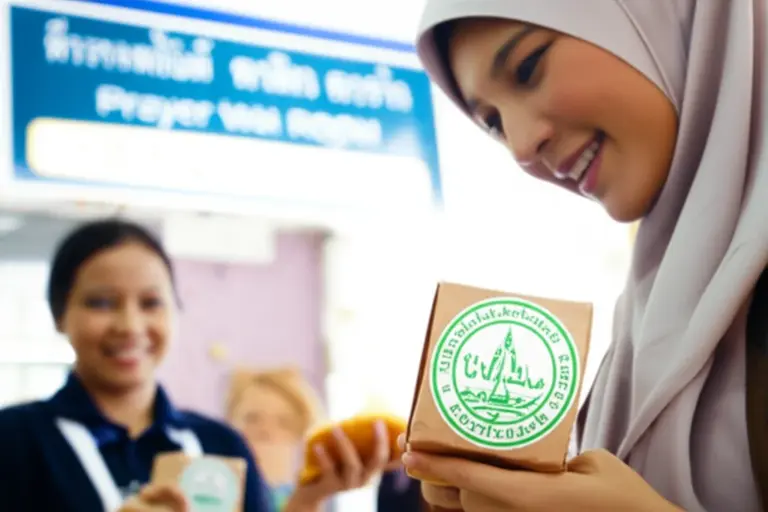
The primary body responsible for Halal accreditation is the Central Islamic Council of Thailand (CICOT). They work closely with the Halal Standard Institute of Thailand (HST). When seeking assurance, always look for the official certificate or signage issued by CICOT. This certification covers not only the ingredients but also the preparation, storage, and processing standards.
Look for the green Halal logo, which typically features the Arabic script for ‘Halal’ and the Thai government’s designation. Always check the expiry date on the physical certificate displayed in restaurants.
- CICOT Certification: The highest standard, ensuring compliance from farm to table.
- Local Mosques: Many smaller, family-run Halal eateries near mosques may not have official CICOT certification but are trustworthy based on community reputation.
Recognizing Halal Labels and Signage
In supermarkets, certified Halal products will bear the distinct green logo. For restaurants, look for prominent window stickers or physical certificates. If in doubt, especially in tourist areas, always ask the staff. Many vendors are accustomed to this query.
Prayer Facilities: Finding Serenity on the Go
Performing daily prayers (Salat) is a key concern for **Muslim travelers Thailand practical tips** should cover. Fortunately, Thailand is highly accommodating, especially in infrastructure and public spaces.
Airports, Malls, and Tourist Attractions
Major international airports like Suvarnabhumi (BKK) and Don Mueang (DMK) provide dedicated, well-maintained prayer rooms (Musallas) complete with Wudu facilities. Similarly, most large shopping malls in Bangkok (e.g., Siam Paragon, MBK, CentralWorld) and other major cities have designated prayer rooms. Don’t hesitate to ask the information desk for the ‘Musalla’ or ‘Prayer Room’ location.
While famous temples or historical sites may not have dedicated rooms, finding a quiet corner for prayer is usually manageable, provided modesty and respect for the surroundings are maintained.
Using Qibla Direction Apps
Given the geographic location, the direction of the Qibla (Makkah) can be accurately determined using smartphone apps. Download a reliable Qibla compass app before your trip to ensure accuracy, especially when praying in hotel rooms or open spaces.
Communicating Dietary Needs: Essential Thai Phrases
Language barriers can complicate dietary communication. Knowing a few key phrases in Thai can be invaluable, particularly when dining at non-Halal establishments or street vendors, ensuring your meal is free from forbidden ingredients (Haram).
| Need | Thai Phrase (Phonetic) | Thai Script |
|---|---|---|
| I am Muslim. (Male Speaker) | Pom bpen Muslim krab. | ผมเป็นมุสลิมครับ |
| I am Muslim. (Female Speaker) | Dichan bpen Muslim ka. | ดิฉันเป็นมุสลิมค่ะ |
| Does this contain pork? | Mee moo mai? | มีหมูไหม? |
| No alcohol/liquor. | Mai ao lao. | ไม่เอาเหล้า |
| No meat (vegetarian option). | Mai ao neua. | ไม่เอาเนื้อ |
Dealing with Cross-Contamination Concerns
While many Thai dishes are inherently pork-free, ingredients like oyster sauce (often containing alcohol or non-Halal additives) and lard used in frying are common. If you are highly sensitive to cross-contamination, it is best to stick to officially certified Halal restaurants or reputable establishments known for catering to Muslim guests. When ordering, you can simply point to the phrase ‘Mee moo mai?’ and wait for a clear confirmation.
Accommodation and Travel Logistics
Choosing Muslim-Friendly Hotels
Many hotels, particularly those near mosques or in areas with high Middle Eastern tourism (like parts of Sukhumvit in Bangkok), offer Muslim-friendly services. When booking, look for hotels that advertise:
- Providing Qibla direction markers in rooms.
- Offering Halal breakfast options (or willingness to arrange them).
- Proximity to a local mosque.
Transportation and Safety
Thailand’s transportation system is efficient. Taxis, the BTS Skytrain, and the MRT Subway are safe and reliable. When using ride-hailing apps like Grab, you can often specify in the notes that you are Muslim, although this is generally not required for safety, it can sometimes assist drivers in route planning near major mosques or Halal areas.
Enhancing Your Experience: Cultural Sensitivity
While Thailand is generally tolerant, maintaining modesty is appreciated, especially when visiting religious sites. Dress modestly when entering temples or mosques. In areas outside of beach resorts, modest dress for women is advisable for comfort and respect. Remember that the Muslim community in Thailand is well-integrated and welcoming, often happy to share local Halal recommendations with visitors.
Conclusion
Thailand is truly a destination that caters to diverse needs. By utilizing these **Muslim travelers Thailand practical tips**—understanding the Halal certification process, knowing where to find prayer facilities, and mastering a few key phrases—you can ensure your trip is not only memorable but also fully compliant with your faith. Enjoy the richness and warmth that Thailand offers.
คำถามที่พบบ่อย (FAQ)
References
- Central Islamic Council of Thailand (CICOT) Official Website
- Thailand Tourism Authority (TAT) Information on Halal Tourism
- Halal and Muslim-Friendly Eats in Chiang Mai 2025: Ultimate Guide to Where to Eat, What to Order, and How to Plan Your Halal Food Itinerary
- Best Areas and Neighborhoods for Halal Dining in Chiang Mai (Old City, Nimman, Night Markets) — where to find halal restaurants, mosques nearby, and opening hours
- Top Halal and Muslim-Friendly Dishes to Try in Chiang Mai (Khao Soi, Northern Curries, Street Food) — what’s truly halal, variations, and recommended vendors