Meditation Retreats and Monk Chats 2025 Chiang Mai: Ultimate Guide to Retreats, Schedules, Costs, and Cultural Etiquette
- Meditation Retreats and Monk Chats 2025 Chiang Mai: Ultimate Guide to Retreats, Schedules, Costs, and Cultural Etiquette
- Discovering Chiang Mai’s Spiritual Heart: Meditation Retreats in 2025
- Top Meditation Retreat Centers in Chiang Mai for 2025
- Planning Your Retreat: Schedules, Costs, and Booking for 2025
- Engaging with Monks: The Monk Chat Experience
- Cultural Etiquette for Temples and Retreats
- Conclusion
- คำถามที่พบบ่อย (FAQ)
- What is the best time of year to attend a meditation retreat in Chiang Mai?
- Do I need prior meditation experience to attend a retreat in Chiang Mai?
- What should I pack for a meditation retreat in Chiang Mai?
- Can I participate in Monk Chats if I’m not Buddhist?
Chiang Mai, the ‘Rose of the North,’ is more than just a picturesque city; it’s a profound spiritual hub, beckoning travelers seeking inner peace and cultural immersion. For those planning a transformative journey, Meditation Retreats and Monk Chats 2025 Chiang Mai offer unparalleled opportunities to delve into Buddhist practices and connect with local monastic life. This ultimate guide will navigate you through the diverse world of retreats, provide insights into schedules, costs, and essential cultural etiquette, ensuring your spiritual adventure is both enriching and respectful. Prepare to embark on a path of mindfulness and discovery amidst the tranquil beauty of Northern Thailand.
Discovering Chiang Mai’s Spiritual Heart: Meditation Retreats in 2025
Chiang Mai’s serene landscapes, ancient temples, and deeply rooted Buddhist traditions make it an ideal destination for spiritual exploration. The city and its surrounding areas host numerous centers offering various meditation retreats, catering to both beginners and experienced practitioners. These retreats provide a sanctuary from the bustling world, allowing participants to focus on mindfulness, self-reflection, and personal growth.
Why Choose Chiang Mai for a Meditation Retreat?
- Tranquil Environment: Surrounded by mountains and lush greenery, Chiang Mai offers a peaceful setting conducive to meditation.
- Rich Buddhist Culture: Experience authentic Theravada Buddhism firsthand, with countless temples and active monastic communities.
- Diverse Offerings: From intensive Vipassana to gentle mindfulness practices, there’s a retreat style to suit every individual’s needs.
- Accessibility: Chiang Mai is well-connected and offers a range of accommodations and services for international visitors.
Types of Retreats Available
Meditation retreats in Chiang Mai vary significantly in duration, style, and intensity:
- Short-Term Retreats: Often 1-3 days, ideal for beginners or those with limited time. These might be part of a temple stay or an introductory workshop.
- Medium-Term Retreats: Ranging from 7-10 days, offering a deeper dive into practice, often with structured schedules and silence.
- Long-Term Retreats: Weeks to months, typically for serious practitioners, often in a monastic setting with strict discipline.
- Silent Retreats: Emphasize Noble Silence, allowing for profound introspection without external distractions.
- Guided Retreats: Feature regular dharma talks, interviews with teachers, and step-by-step meditation instructions.
Top Meditation Retreat Centers in Chiang Mai for 2025
Chiang Mai boasts several highly regarded centers for meditation. While specific programs for 2025 may not be fully released, these institutions are perennial favorites:
Wat Suan Dok: Home of Monk Chats and Short Stays
Wat Suan Dok is perhaps best known for its ‘Monk Chat’ program, a fantastic opportunity to engage directly with English-speaking monks. While not a traditional long-term retreat center, it offers short stays and cultural immersion programs that often include basic meditation instruction. This is an excellent starting point for those curious about Buddhism and monastic life.
Video: A glimpse into daily life at a Thai Buddhist monastery, offering context for potential retreat experiences.
Dipabhāvan Meditation Centre: Vipassana in the Forest
Located on a tranquil hillside, Dipabhāvan offers 7-day Vipassana (insight) meditation retreats. These are donation-based and emphasize silent practice, guided by experienced teachers. The focus is on developing mindfulness and wisdom through observing body and mind. It’s an immersive experience for those ready for a deeper commitment.
Wat Phra That Doi Suthep: Iconic Temple, Potential for Practice
While primarily a major tourist attraction, Wat Phra That Doi Suthep also has areas for meditation and occasional short programs. Its breathtaking views and spiritual ambiance make it a powerful place for personal reflection, even if you’re not on a formal retreat.
International Buddhist Centre (IBC)
The IBC often hosts various meditation courses and dharma talks suitable for international visitors. It’s a good resource for finding diverse programs and a supportive community.
Planning Your Retreat: Schedules, Costs, and Booking for 2025
Successfully planning your Meditation Retreats and Monk Chats 2025 Chiang Mai experience requires understanding the logistics involved.
Typical Retreat Schedules
Note: Schedules can vary significantly between centers. Always check with the specific retreat you plan to attend.
Understanding Costs
Many traditional meditation retreats, especially those at monasteries, operate on a donation-basis (dana). This means you contribute what you can afford, supporting the center and its teachings. Other centers, particularly those catering more to international visitors, may have fixed fees that cover accommodation, food, and teachings. Always clarify the cost structure before committing.
How to Book Your 2025 Retreat
- Research Early: Start looking for 2025 programs in late 2024 or early 2025, as popular retreats fill up fast.
- Direct Contact: The best way to inquire about availability, schedules, and requirements is to contact the retreat center directly via their official website or email.
- Ask Questions: Don’t hesitate to ask about the daily routine, what to bring, rules of conduct, and any health considerations.
Engaging with Monks: The Monk Chat Experience
Monk Chats are a unique and cherished aspect of visiting Chiang Mai, offering an informal yet deeply insightful way to learn about Buddhism and Thai culture directly from those who live it. These sessions are open to everyone, regardless of religious background, and are a highlight for many visitors seeking authentic interactions.
What is a Monk Chat?
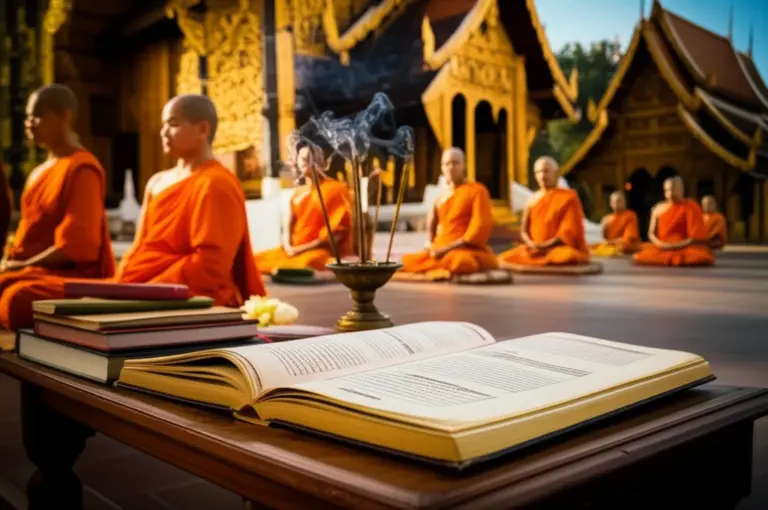
A Monk Chat is an informal gathering where tourists can sit and converse with Buddhist monks, usually in English. It’s an opportunity to ask questions about Buddhist philosophy, monastic life, Thai culture, or simply have a friendly conversation. Monks often use these sessions to practice their English and to share their wisdom with curious visitors. Popular locations for Monk Chats include Wat Suan Dok and Wat Chedi Luang.
Monk Chat Schedules and Etiquette
- Typical Times: Monk Chats usually occur in the afternoons, often between 2:00 PM and 5:00 PM, though times can vary by temple and day. Check the temple’s website or notice boards for the most up-to-date schedule.
- Be Respectful: Approach the conversation with an open mind and respectful attitude. Avoid overly personal or political questions. Focus on spiritual or cultural topics.
- Sitting Posture: Always sit lower than the monks. If you’re sitting on the floor, tuck your feet away from the monk (lotus position or to the side).
Cultural Etiquette for Temples and Retreats
Observing proper cultural etiquette is paramount when visiting temples or participating in meditation retreats in Thailand. Your respectful conduct enhances your experience and honors the local traditions.
Dress Code and Demeanor
- Modest Clothing: Always cover your shoulders and knees. This applies to both men and women. Loose-fitting, comfortable clothing is ideal for retreats.
- Remove Shoes: Remove your shoes before entering any temple building (wihan or ubosot) or meditation hall.
- Respect Buddha Images: Never point your feet at Buddha images, monks, or people. Do not touch Buddha images without permission.
Interacting with Monks
Monks are highly revered in Thai society, and specific rules apply to interactions:
- No Physical Contact for Women: Women should never touch a monk or his robes. If passing something to a monk, place it down or pass it via a man.
- Wai (Greeting): When greeting a monk, perform a respectful wai (palms together, fingertips near nose level).
- Lower Your Head: It’s customary to keep your head lower than a monk’s as a sign of respect.
General Temple Conduct
- Maintain Silence: Keep your voice low and avoid loud conversations, especially in prayer halls.
- No Pointing Feet: Never point your feet at anyone, especially not at a Buddha image or a monk.
- Be Mindful of Children: If traveling with children, ensure they understand and respect these customs.
By adhering to these guidelines, you demonstrate respect for Thai culture and enhance your own spiritual journey.
Conclusion
Chiang Mai in 2025 offers an incredible tapestry of spiritual experiences, from the profound silence of meditation retreats to the enlightening conversations of Monk Chats. By planning ahead, understanding the schedules, costs, and cultural nuances, you can ensure your journey is not just a trip, but a truly transformative exploration of self and culture. Embrace the tranquility, the wisdom, and the warmth of Northern Thailand, and let your spiritual adventure unfold.
คำถามที่พบบ่อย (FAQ)
- Best Meditation Retreats in Chiang Mai 2025: Types, Top Centers, Programs, and How to Choose the Right One
- Booking, Costs, Schedules, and What to Expect During a Chiang Mai Meditation Retreat in 2025
- Monk Chats and Cultural Immersion: How to Arrange Respectful Conversations, Typical Topics, and What You’ll Learn