Post-Flight Recovery Massage in Chiang Mai: Techniques, Timing, and How It Eases Jet Lag, Swelling, and Stiffness
- Post-Flight Recovery Massage in Chiang Mai: Techniques, Timing, and How It Eases Jet Lag, Swelling, and Stiffness
- Understanding Post-Flight Discomfort: Jet Lag, Swelling, and Stiffness
- The Healing Power of Post-Flight Recovery Massage in Chiang Mai
- When to Book Your Recovery Massage: Optimal Timing
- Choosing Your Sanctuary: Top Massage & Spa Spots in Chiang Mai
- Beyond Massage: Holistic Tips for Post-Flight Recovery
- คำถามที่พบบ่อย (FAQ)
After a long journey to the enchanting city of Chiang Mai, many travelers find themselves battling the unwelcome trio of jet lag, body swelling, and muscle stiffness. These common post-flight discomforts can quickly dampen the excitement of exploring new horizons. Fortunately, Chiang Mai, a renowned hub for wellness and traditional healing, offers a perfect antidote: a specialized Post-Flight Recovery Massage in Chiang Mai. This guide delves into the techniques, optimal timing, and profound benefits of these restorative treatments, ensuring your Thai adventure starts with rejuvenation, not exhaustion.
Understanding Post-Flight Discomfort: Jet Lag, Swelling, and Stiffness
Long-haul flights, while connecting us to distant lands, often disrupt our body’s natural rhythms and physical comfort. Understanding these issues is the first step towards effective recovery.
The Science Behind Jet Lag
Jet lag, or desynchronosis, occurs when your internal body clock (circadian rhythm) is out of sync with the new time zone. Symptoms can include fatigue, insomnia, headaches, irritability, and digestive issues. The rapid change in time zones confuses the body, affecting hormone regulation, sleep-wake cycles, and even appetite.
Why Swelling Occurs After Flights
Prolonged sitting in a confined space, combined with reduced air pressure and lower humidity in the cabin, can lead to poor circulation and fluid retention. This often manifests as swollen feet, ankles, and hands, a condition known as edema. It’s generally harmless but can be uncomfortable and restrict movement.
Tackling Muscle Stiffness and Aches
Sitting in a cramped position for hours on end, often without adequate stretching or movement, causes muscles to stiffen and joints to ache. The neck, shoulders, and lower back are particularly susceptible to discomfort, leading to reduced flexibility and general soreness.
The Healing Power of Post-Flight Recovery Massage in Chiang Mai
A well-chosen massage can be incredibly effective in mitigating these post-flight symptoms. In Chiang Mai, skilled therapists offer a range of techniques tailored to address the specific challenges of travel fatigue. The focus of a Post-Flight Recovery Massage in Chiang Mai is to restore balance, stimulate circulation, and alleviate tension.
Specific Techniques for Jet Lag Relief
Massages aimed at jet lag relief often focus on calming the nervous system and re-energizing the body. They help regulate sleep patterns and boost overall vitality.
- Aromatherapy Massage: Using essential oils like lavender for relaxation or peppermint for invigoration, this massage combines gentle strokes with the therapeutic benefits of scents to soothe the mind and body.
- Traditional Thai Massage (Gentle Version): While often vigorous, a gentle Thai massage can stretch and open energy lines (Sen lines), promoting circulation and reducing sluggishness without overstimulating a tired body.
- Head and Shoulder Massage: Directly targets tension caused by stress and poor sleep, which are common jet lag symptoms, helping to clear the mind.
Reducing Swelling with Lymphatic and Pressure Techniques
To combat fluid retention, specific massage techniques can stimulate the lymphatic system and improve blood flow.
- Foot and Leg Massage: A classic choice for travelers, this focuses on the extremities most affected by swelling. Gentle pressure and upward strokes help move accumulated fluids.
- Lymphatic Drainage Massage: A very light, rhythmic massage designed to encourage the natural drainage of lymph, which carries waste products away from the tissues back toward the heart. This is highly effective for reducing edema.
- Compression Massage: Some spas offer specialized compression treatments or massages that use firm, consistent pressure to aid circulation.
Easing Stiffness and Muscle Tension
For those nagging aches and stiffness, deep tissue work and warming therapies are ideal.
- Deep Tissue Massage: Targets deeper layers of muscle and connective tissue, breaking down knots and adhesions that cause chronic pain and stiffness.
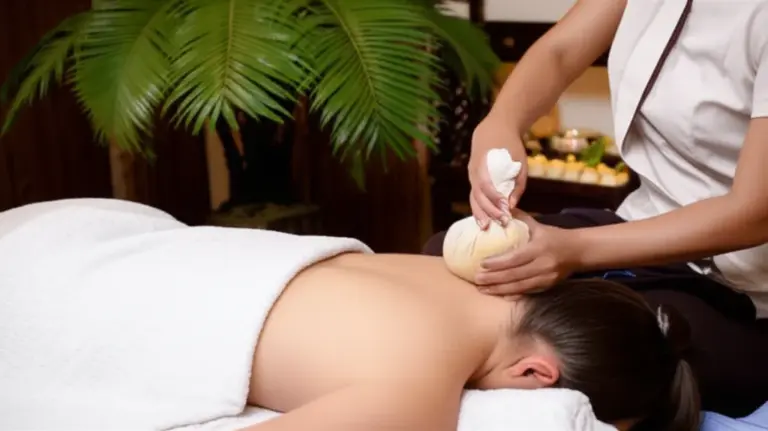
- Hot Compress Massage (Herbal Ball Massage): Warm herbal compresses are pressed onto the body, releasing therapeutic heat and aromatic essential oils that deeply penetrate muscles, reducing soreness and promoting relaxation.
- Oil Massage (Swedish or Balinese style): Uses long, flowing strokes with moderate pressure to warm up muscle tissue, release tension, and improve circulation.
When to Book Your Recovery Massage: Optimal Timing
Timing is crucial for maximizing the benefits of a Post-Flight Recovery Massage in Chiang Mai. While the immediate urge might be to head straight to a spa, a short period of rest can be beneficial.
It’s generally best to get your recovery massage within the first 24 hours of landing. This proactive approach allows the body to release tension and recalibrate more quickly, setting a positive tone for your entire trip. Ensure you’re well-hydrated before and after your massage.
Choosing Your Sanctuary: Top Massage & Spa Spots in Chiang Mai
Chiang Mai boasts an abundance of massage parlors and luxurious spas. When selecting a place for your Post-Flight Recovery Massage in Chiang Mai, consider factors like reputation, cleanliness, and the therapist’s expertise. Many high-end spas offer dedicated ‘Jet Lag Recovery’ packages.
Here’s a general guide to types of establishments:
- Luxury Spas: Offer comprehensive packages, private rooms, and a serene ambiance. Perfect for a complete pampering experience.
- Mid-Range Parlors: Good quality, clean, and often more affordable. Excellent value for money.
- Local Massage Shops: Can be very authentic and inexpensive, but ensure they are clean and professional. Word-of-mouth recommendations are key here.
Beyond Massage: Holistic Tips for Post-Flight Recovery
While a recovery massage is highly beneficial, integrating other healthy habits will accelerate your adaptation to Chiang Mai’s time zone and climate.
- Stay Hydrated: Drink plenty of water throughout your flight and upon arrival to combat dehydration caused by cabin air.
- Seek Sunlight: Expose yourself to natural light during the day to help reset your circadian rhythm.
- Gentle Movement: Light stretching or a short walk can improve circulation and reduce stiffness. Avoid strenuous exercise immediately.
- Eat Light, Local Foods: Opt for fresh, easily digestible meals. Avoid heavy or overly processed foods.
- Adjust Sleep Gradually: Try to adopt the local sleep schedule as quickly as possible, even if it means a short nap rather than a long sleep during the day.
คำถามที่พบบ่อย (FAQ)
Here are some common questions about post-flight recovery massages in Chiang Mai:
Q1: How soon after landing should I get a massage?
It’s generally recommended to rest for 1-2 hours upon arrival, then get your massage within the first 12-24 hours. This allows your body to settle slightly before the treatment, maximizing its benefits.
Q2: What type of massage is best for jet lag?
Aromatherapy massage with calming essential oils, a gentle Traditional Thai massage focusing on energy lines, or a head and shoulder massage are excellent choices for alleviating jet lag symptoms like fatigue and headaches.
Q3: Can massage help with swollen feet from flying?
Absolutely. Foot and leg massages, or specialized lymphatic drainage massages, are highly effective in stimulating circulation and reducing fluid retention, thereby easing swollen feet and ankles.
Q4: Are there any massages to avoid immediately after a long flight?
While most massages are beneficial, intensely deep tissue or very vigorous Thai massages might be too much for an extremely fatigued body immediately after landing. Opt for gentler, more relaxing options first.
Q5: How long does jet lag usually last?
The duration of jet lag varies per individual and the number of time zones crossed. Generally, it can last from a few days to over a week, with recovery often taking one day per time zone difference. Massages and holistic practices can significantly shorten this period.
References
- World Health Organization – Jet Lag
- Mayo Clinic – Jet Lag
- American Massage Therapy Association – Benefits of Massage
- Prenatal and Post-Flight Recovery Massages 2025 Chiang Mai: Complete Guide to Safe, Effective Treatments for Expectant Mothers and Travelers
- Best Prenatal Massage Clinics in Chiang Mai 2025 — What to Look For (certifications, therapist training, pregnancy-safe techniques, and clinic hygiene)
- Preparing for a Prenatal Massage Before and After Air Travel — Safety Checklist, What to Tell Your Therapist, and Doctor Clearance