Where to Find Certified Gluten-Free and Allergy-Friendly Restaurants in Chiang Mai (Neighborhoods, Certification, and How to Verify Safety)
- Where to Find Certified Gluten-Free and Allergy-Friendly Restaurants in Chiang Mai (Neighborhoods, Certification, and How to Verify Safety)
- Navigating Dietary Needs in Chiang Mai’s Culinary Scene
- Top Neighborhoods for Allergy-Friendly Dining
- Understanding Certification and Verification in Thailand
- Watch: Gluten-Free Dining in Chiang Mai
- Explore Chiang Mai’s Culinary Landscape
- Common Allergens and How to Ask
- Conclusion: A Delicious and Safe Journey Awaits
- คำถามที่พบบ่อย (FAQ)
For many travelers, the joy of exploring a new destination like Chiang Mai comes with the added challenge of navigating dietary restrictions. If you’re seeking Certified Gluten-Free and Allergy-Friendly Restaurants in Chiang Mai, you’re in the right place. This guide will empower you to enjoy Northern Thai cuisine without compromising your health or peace of mind. We’ll delve into specific neighborhoods, discuss the nuances of certification, and provide practical tips on how to verify safety, ensuring your culinary journey through the Rose of the North is both delicious and safe.
Chiang Mai is a paradise for food lovers, but for those with gluten sensitivities, celiac disease, or other food allergies, dining out can feel like a minefield. Traditional Northern Thai dishes often feature ingredients like soy sauce (containing wheat), oyster sauce, and various thickeners that can be problematic. However, with growing global awareness and a thriving expat community, Chiang Mai has seen a significant rise in establishments catering to special dietary needs. The key is knowing where to look and how to communicate effectively.
Top Neighborhoods for Allergy-Friendly Dining
Certain areas in Chiang Mai are more likely to host restaurants that understand and cater to specific dietary requirements. These neighborhoods typically have a higher concentration of international residents and health-conscious establishments.
Nimmanhaemin (Nimman)
Often referred to as ‘Nimman,’ this trendy and upscale neighborhood is a hub for cafes, boutiques, and modern eateries. It’s an excellent starting point for finding Certified Gluten-Free and Allergy-Friendly Restaurants in Chiang Mai. Many establishments here cater to a more international clientele and are often more familiar with dietary restrictions. You’ll find a higher chance of dedicated gluten-free menus, vegan options that can often be adapted, and staff who speak English well enough to understand your needs.
Old City (Walled City)
The historic heart of Chiang Mai, the Old City, is bustling with guesthouses, temples, and restaurants. While some traditional Thai restaurants may be less familiar with gluten-free concepts, the increasing number of tourist-focused cafes and health food spots within the walls are becoming more accommodating. Look for places advertising ‘healthy food,’ ‘organic,’ or ‘vegan,’ as they are more likely to understand cross-contamination and ingredient sourcing.
Riverside and Beyond
Areas along the Ping River offer a mix of traditional Thai dining and more upscale, international restaurants. While not as concentrated as Nimman, some establishments here cater to a discerning crowd and may offer allergy-friendly choices. Exploring slightly outside the main tourist zones can sometimes reveal hidden gems, particularly at smaller, family-run establishments where you can communicate directly with the chef.
Understanding Certification and Verification in Thailand
The concept of ‘certified gluten-free’ as understood in Western countries (e.g., GFCO certification) is not widely prevalent for restaurants in Thailand. While some packaged products might carry such labels, dedicated restaurant certification is rare. This means your approach to verifying safety needs to be proactive and informed.
How to Verify Safety: Your Essential Toolkit
Since formal certification is uncommon, your best defense against cross-contamination and hidden allergens is clear communication and diligent research.
-
Research in Advance: Utilize online resources like HappyCow (for vegan/vegetarian, often includes allergy notes), TripAdvisor, and dedicated gluten-free travel blogs (e.g., Gluten-Free Traveler). Search for specific restaurant names with terms like ‘gluten-free review’ or ‘celiac safe’. Facebook groups for ‘Chiang Mai Gluten Free’ can also be invaluable for real-time recommendations.
-
Carry Allergy Translation Cards: This is perhaps the most crucial tool. Have a professionally translated card in Thai clearly stating your allergies (gluten, peanuts, dairy, etc.) and emphasizing the severity of your reaction and the need to avoid cross-contamination. Websites like Celiac Travel offer excellent, free downloadable cards.
-
Ask Detailed Questions: Even with a card, politely ask if they understand. Inquire about ingredients in sauces (e.g., ‘Is there soy sauce with wheat in it?’ – มีซีอิ๊วขาวที่มีแป้งสาลีไหมครับ/คะ?), cooking oils, and if they can use separate utensils/pans. Look for restaurants that seem genuinely knowledgeable and willing to accommodate.
-
Look for Dedicated Menus or Kitchens: Some establishments, particularly those focused on health or international cuisine, may have clearly marked gluten-free menus or even dedicated preparation areas. These are often your safest bets for Certified Gluten-Free and Allergy-Friendly Restaurants in Chiang Mai, even without formal certification.
-
Trust Your Gut: If a restaurant seems confused, unwilling to accommodate, or you get a bad feeling, it’s always best to err on the side of caution and find another place. Your health is paramount.
Watch: Gluten-Free Dining in Chiang Mai
Get a visual perspective and some insider tips on navigating gluten-free options in Chiang Mai from fellow travelers:
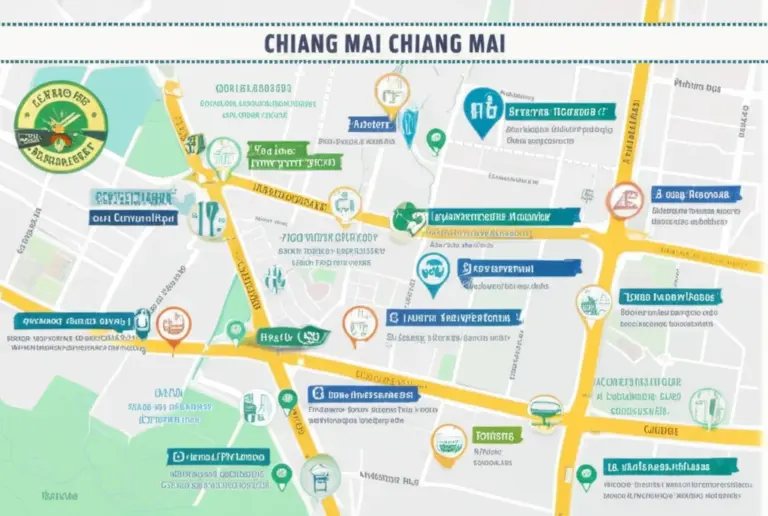
Explore Chiang Mai’s Culinary Landscape
Familiarize yourself with the general layout of Chiang Mai to better plan your allergy-friendly dining adventures:
Common Allergens and How to Ask
Beyond gluten, other common allergens to be aware of in Thai cuisine include peanuts, shellfish, fish sauce, and dairy (though less common in traditional dishes). Knowing a few key phrases in Thai can significantly improve your dining experience.
Pro Tip: Even with translation cards and phrases, always reiterate the severity of your allergy. In some cultures, ‘allergy’ might be interpreted as a ‘preference.’ Emphasizing ‘very sick’ (ไม่สบายมาก – Mai Sa-baai Maak) can help convey the seriousness.
Conclusion: A Delicious and Safe Journey Awaits
While finding Certified Gluten-Free and Allergy-Friendly Restaurants in Chiang Mai requires a bit more effort than in some Western cities, it is absolutely achievable. By focusing on key neighborhoods like Nimman and the Old City, leveraging online resources, and most importantly, communicating clearly with allergy translation cards, you can confidently explore Chiang Mai’s vibrant culinary landscape. Embrace the adventure, stay vigilant, and savor the incredible flavors that Northern Thailand has to offer, safely and deliciously.
คำถามที่พบบ่อย (FAQ)
While traditional Thai cuisine often uses gluten-containing ingredients, finding gluten-free food in Chiang Mai is becoming easier. Many restaurants, especially in tourist-heavy and expat areas like Nimmanhaemin, are now more aware and offer dedicated gluten-free options or can adapt dishes. However, it requires careful communication and research.
Beyond obvious wheat in noodles or bread, hidden gluten is often found in soy sauce, oyster sauce, and some seasoning powders. Other common allergens include peanuts (in satay, curries), shellfish (shrimp paste, certain soups), and fish sauce (almost ubiquitous, but can be replaced). Dairy is less common in traditional dishes but appears in Western-style cafes.
Formal ‘certified gluten-free’ restaurant programs, common in some Western countries, are not widespread in Thailand. This means you’ll need to rely more on your own research, communication with staff, and the use of allergy translation cards to ensure safety. Look for restaurants that clearly state ‘gluten-free options’ on their menus or have a reputation for catering to celiac needs.
The most effective way is to carry a professionally translated allergy card in Thai. This card should clearly state your specific allergies (e.g., ‘no gluten/wheat,’ ‘no peanuts’) and emphasize the severity of your reaction and the need to avoid cross-contamination. You can also learn a few key phrases like ‘Mai Mee…’ (ไม่มี…, meaning ‘no…’) followed by the allergen.
Nimmanhaemin (Nimman) is generally the best neighborhood, offering a high concentration of modern cafes and restaurants catering to international tastes and dietary restrictions. The Old City also has a growing number of health-conscious and tourist-friendly establishments. These areas tend to have staff with better English proficiency and a greater understanding of food allergies.
References
- Gluten-Free and Allergy-Safe Restaurants in Chiang Mai 2025: Complete Guide for Travelers with Celiac, Nut, Dairy & Egg Allergies
- Top Allergy-Safe Menus and Dishes to Try in Chiang Mai 2025 — Vegan, Dairy-Free, Nut-Free, and Egg-Free Options with Price Ranges
- How to Communicate Your Food Allergies in Thai: Key Phrases, Allergy Cards, and Restaurant Staff Tips to Avoid Cross-Contamination