Best Time to Go, How to Get There, and Route Options: Flights, Trains, Buses, Minivans, and the Scenic Mountain Road to Pai
- Best Time to Go, How to Get There, and Route Options: Flights, Trains, Buses, Minivans, and the Scenic Mountain Road to Pai
- Best Time to Visit Pai: Weather & Seasons
- How to Get to Pai: Your Comprehensive Transport Guide for Travel to Pai
- Navigating Pai: Local Transportation
- คำถามที่พบบ่อย (FAQ)
- What is the best time of year to visit Pai?
- Is the road to Pai dangerous?
- Can I fly directly to Pai?
- What is the cheapest way to get to Pai from Chiang Mai?
Nestled in the lush valleys of Mae Hong Son province, Pai is a bohemian paradise that has captured the hearts of backpackers, artists, and nature lovers alike. Its relaxed atmosphere, stunning landscapes, and vibrant night markets make it a must-visit destination in Northern Thailand. But planning your perfect escape requires knowing the best time to go and, crucially, how to get there. This comprehensive guide will walk you through everything you need to know for a seamless and enjoyable travel to Pai, covering seasonal insights, detailed transport options, and tips for navigating the famous mountain road.
Best Time to Visit Pai: Weather & Seasons
Understanding Pai’s climate is key to planning your visit. The region experiences three distinct seasons, each offering a unique perspective on this charming town.
Cool Season (November – February)
Undoubtedly the most popular time to visit. The weather is cool, dry, and pleasant, with daytime temperatures ranging from 20-28°C (68-82°F) and nights that can drop to a crisp 10-15°C (50-59°F). The air is fresh, skies are clear, and the landscapes are at their greenest after the monsoon. This is ideal for outdoor activities like trekking, exploring waterfalls, and relaxing at hot springs. However, expect larger crowds and higher prices for accommodation and transport.
Hot Season (March – May)
Temperatures soar during these months, often exceeding 35°C (95°F). The air can be hazy due to agricultural burning in the region, which impacts air quality and visibility. While you’ll find fewer tourists and lower prices, the heat can be intense, making daytime exploration challenging. If you visit during this time, focus on early morning or late afternoon activities and ensure you stay hydrated.
Rainy Season (June – October)
The monsoon season brings frequent, heavy downpours, transforming the landscape into a vibrant, emerald green. Waterfalls are at their most spectacular, and the air is clean and fresh. While rain can disrupt travel plans, it rarely lasts all day, leaving plenty of time for exploration. The roads can be slippery, especially the mountain pass, so caution is advised if driving. Crowds are minimal, offering a more tranquil experience. This is a great time to visit if you don’t mind a bit of rain and prefer a quieter Pai.
How to Get to Pai: Your Comprehensive Transport Guide for Travel to Pai
The journey to Pai is almost as famous as the destination itself, primarily due to the winding mountain road with its legendary 762 curves. Most travelers start their journey from Chiang Mai.
Starting Point: Chiang Mai
Chiang Mai is the primary hub for onward travel to Pai. It has an international airport (CNX) and is well-connected by bus and train from other parts of Thailand.
Minivan: The Most Popular Choice
Minivans are by far the most common and convenient way to get to Pai from Chiang Mai. They depart frequently throughout the day from Chiang Mai Arcade Bus Terminal 2 or directly from various guesthouses and travel agencies in the city center.
- Duration: Approximately 3-4 hours.
- Cost: Around 150-200 THB.
- Considerations: The ride can be very winding, so if you’re prone to motion sickness, take precautions (e.g., sit at the front, take anti-nausea medication). Drivers are generally experienced but can be fast.
Bus: A Budget-Friendly Option
Local buses are a slower but more spacious alternative to minivans. They also depart from Chiang Mai Arcade Bus Terminal 2.
- Duration: 4-5 hours.
- Cost: Around 80-120 THB.
- Considerations: Fewer departures than minivans, often no air conditioning (fan buses). Offers a more local experience.
Motorbike/Car: The Scenic Mountain Road (Mae Hong Son Loop)
For the adventurous and experienced, renting a motorbike or car and driving the Mae Hong Son Loop (which includes the Chiang Mai to Pai leg) is an unforgettable experience. The route is breathtaking, offering panoramic views of mountains and valleys.
- Duration: 4-6 hours (motorbike), 3-5 hours (car), depending on stops.
- Cost: Motorbike rental 150-300 THB/day; car rental from 800-1500 THB/day, plus fuel.
- Route: Highway 107 north from Chiang Mai, then turn onto Highway 1095 towards Mae Hong Son/Pai.
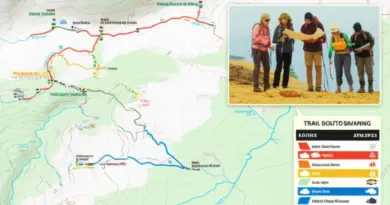
Here’s a visual guide to the journey:
Flights: Nearest Airports & Connections
While there used to be direct flights to Pai, they are no longer regularly available. The closest major airport is Chiang Mai International Airport (CNX). From there, you would take a minivan or bus to Pai.
- Process: Fly into Chiang Mai (CNX), then take ground transport to Pai.
- Total Duration: Varies by flight, plus 3-4 hours ground transport.
- Cost: Flight cost + ground transport cost.
Train: A Combination Journey
There is no direct train service to Pai. You can take a train from Bangkok or other major cities to Chiang Mai, and then proceed to Pai via minivan or bus.
- Process: Train to Chiang Mai, then ground transport to Pai.
- Total Duration: Train journey (e.g., 11-15 hours from Bangkok) + 3-4 hours ground transport.
- Cost: Train ticket + ground transport cost.
Once you arrive in Pai, getting around is relatively easy. The town center is walkable, but to explore the surrounding attractions (waterfalls, canyons, hot springs, temples), you’ll need transportation.
- Scooter Rental: The most popular option. Many shops in town rent scooters for 150-300 THB/day. Again, only rent if you are an experienced rider and have a valid international driving permit.
- Bicycle Rental: Great for exploring the town and nearby flat areas. Around 50-100 THB/day.
- Songthaew (Red Truck Taxi): Available for hire for specific trips or half/full-day tours. Negotiate the price beforehand.
- Walking: The town center is compact and pedestrian-friendly, especially around the walking street.
Here’s a map of Pai to help you visualize your journey and local exploration:
Whether you choose the adventurous mountain road or the comfortable minivan, your travel to Pai promises to be a memorable part of your Thailand adventure. By understanding the best time to visit and your transport options, you can tailor your journey to suit your preferences and make the most of this enchanting Northern Thai gem.
คำถามที่พบบ่อย (FAQ)
References
- Tourism Authority of Thailand (TAT) Official Website
- Lonely Planet – Pai Travel Guide
- Rome2Rio – Chiang Mai to Pai Transport Options
- Weekend Itineraries 2025: The Ultimate Chiang Mai to Pai and Back Weekend Plan (Routes, Timing, and Insider Tips)
- 48-Hour Detailed Itinerary: Day-by-Day Schedule for Chiang Mai to Pai and Back (What to See, Eat, and Where to Stay)
- Safety, Road Conditions, and Weather Considerations for 2025: Driving Advice, Motorcycle Rental Tips, and Medical/Insurance Must-Knows