What to Expect at the Sticky Waterfall: Water Levels, Climbing Conditions, Flora & Wildlife by Season
- What to Expect at the Sticky Waterfall: Water Levels, Climbing Conditions, Flora & Wildlife by Season
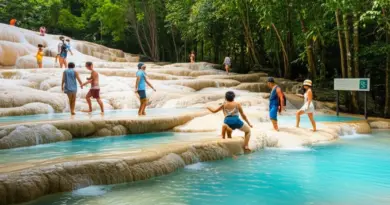
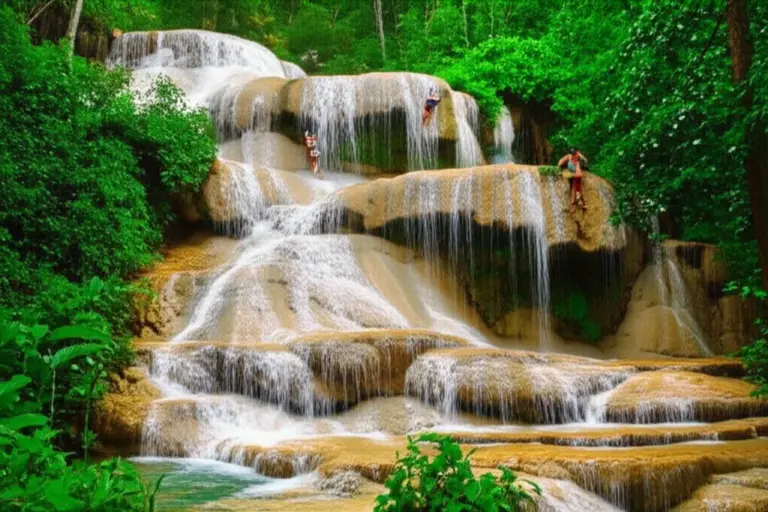
Welcome to Bua Tong Waterfalls, famously known as the ‘Sticky Waterfall’ near Chiang Mai. This natural wonder defies conventional waterfall experiences; instead of slippery rocks, you find surfaces that allow you to climb straight up the cascading water. Planning your adventure requires local knowledge, especially regarding seasonal shifts. This comprehensive Sticky Waterfall seasonal guide will ensure you arrive prepared for the best water levels, ideal climbing conditions, and the unique ecosystem surrounding this geological marvel.
Understanding the Sticky Waterfall Phenomenon (The Geology)
The secret behind the ‘stickiness’ is purely geological. The rocks of Bua Tong are composed of a porous limestone rich in calcium carbonate. As the water flows over these deposits, the mineral content creates a rough, slightly abrasive surface texture. This texture provides incredible grip, even when wet, making the seemingly impossible climb safe and exhilarating. Unlike granite or basalt waterfalls found elsewhere, Bua Tong offers a unique, hands-on interaction with nature.
The Essential Sticky Waterfall Seasonal Guide
Thailand’s climate dictates everything about a waterfall visit. The conditions at Bua Tong change dramatically over the year, impacting safety, water volume, and the surrounding environment. Use this Sticky Waterfall seasonal guide to pinpoint your perfect visit window.
Peak Season: Dry Season (November – February)
This is universally considered the best time to visit. The weather is cool, humidity is low, and the rains have subsided, ensuring the main waterfall cascade is flowing consistently but not overwhelmingly.
- Water Levels: Moderate and ideal. Perfect balance for maximum grip.
- Climbing Conditions: Excellent. Safe for beginners and experienced climbers alike.
- Flora & Wildlife: Wildlife is often more visible near water sources early in the morning. The surrounding forest is lush but dry compared to the monsoon.
- Crowds: High. Expect significant numbers of local and international tourists, especially on weekends.
Shoulder Season: Hot Season (March – May)
The heat is intense, but this season often precedes the heavy rains, meaning the water flow can still be decent, though the heat requires early morning visits.
- Water Levels: Can start to drop towards the end of May.
- Climbing Conditions: Very hot for the physical exertion required. Hydration is critical.
- Flora & Wildlife: Vegetation might appear slightly stressed from the heat.
- Crowds: Moderate, often fewer international tourists, but local school holidays can create spikes.
Off-Peak Season: Rainy Season (June – October)
This period brings heavy, unpredictable downpours characteristic of Northern Thailand. While the jungle is at its greenest, safety becomes the primary concern.
| Aspect | Rainy Season Expectation |
|---|---|
| Water Levels | High to very high. Water volume can obscure the sticky surface texture. |
| Climbing Conditions | Potentially Dangerous. Authorities may close the upper sections due to fast currents. Proceed with extreme caution or avoid climbing altogether. |
| Flora & Wildlife | Lush, vibrant jungle. Increased insect activity (bring repellent). |
Flora and Fauna: What You Might Encounter
The Bua Tong area is part of a protected forest reserve, supporting diverse life. While the focus is on the climb, taking a moment to observe the surroundings enhances the experience.
Flora
Expect typical Northern Thai tropical deciduous forest species. During the wet season, mosses and ferns flourish on the shaded banks near the water. Look out for various orchids clinging to the larger trees surrounding the main cascade.
Wildlife Spotting
The area is home to several bird species, particularly near the water source. While large mammals are rare due to visitor presence, you might spot monitor lizards basking near the lower pools or various colorful butterflies.
To truly appreciate the journey up the falls, here is a visual guide:
Essential Tips for Climbing the Sticky Waterfall
Mastering the climb requires more than just luck; it requires proper technique and preparation.
- Wear Appropriate Footwear: While many go barefoot, water shoes or old sneakers with good grip offer better protection against sharp edges and submerged debris.
- Climb Slowly and Deliberately: Do not rush. Test each foothold. The surface is sticky, but momentum can still cause slips.
- Stay Low: Keep your center of gravity low, especially on steeper sections. Use your hands on the adjacent rocks for balance, not necessarily for pulling yourself up.
- Respect Closures: If local staff have roped off the upper tiers, it means the water flow is too dangerous. Heed their warnings for your safety.
Planning Your Visit: Logistics and Location
Bua Tong is located about 25-30 km northwest of Chiang Mai city center. It is best accessed by renting a scooter or hiring a songthaew (red truck taxi).
Location Map
Note on Facilities: There are basic restrooms and small food stalls near the entrance, primarily operating during peak season. Always carry sufficient drinking water, especially if visiting during the hot months.
คำถามที่พบบ่อย (FAQ)
Find quick answers regarding your visit to the Sticky Waterfall.
Is it safe to climb the Sticky Waterfall barefoot?
Yes, many experienced visitors climb barefoot as it maximizes the grip provided by the calcium carbonate deposits. However, for first-timers or during periods of high flow, water shoes are recommended for protection against minor abrasions or submerged sharp stones.
How long does it take to climb the entire Bua Tong waterfall?
The main, accessible climbing section usually takes between 30 minutes to an hour, depending on your fitness level, how often you stop for photos, and the water flow. There are multiple tiers to ascend.
Are there entrance fees for the Sticky Waterfall?
Generally, there is no official entrance fee for the main climbing area of Bua Tong Waterfall, as it is managed as a natural attraction. However, small parking fees or donations may be requested by local community members managing the site, especially during peak tourist times.
What should I bring besides swimwear?
Essential items include high-SPF, reef-safe sunscreen, insect repellent (especially outside the dry season), a towel, plenty of water for hydration, and a waterproof bag for electronics.
Can I visit the Sticky Waterfall during the rainy season?
You can visit the site to enjoy the lush scenery, but climbing is strongly discouraged or prohibited when water levels are high due to dangerous currents. Always check local conditions upon arrival.
References
Geological Formation of Bua Tong Limestone
Chiang Mai Seasonal Climate Overview
- Sticky Waterfall (Bua Tong) 2025: Best Time to Visit, What to Expect & Practical Tips
- When is the Best Time to Visit Bua Tong Sticky Waterfall in 2025? (Seasonal Breakdown: Dry vs Rainy, Monthly Guide, Peak Times)
- How to Plan Your Trip: Getting There, Entrance Fees, Tours, Best Day Trips from Chiang Mai & Accommodation Tips