Best Time to Visit and Seasonal Bird Migration Patterns on Doi Inthanon (2025)
- Best Time to Visit and Seasonal Bird Migration Patterns on Doi Inthanon (2025)
- Understanding Doi Inthanon’s Migratory Significance
- Peak Bird Migration Seasons for 2025
- Seasonal Weather and Altitude Considerations
- Essential Gear and Ethical Birding Practices
- Top Birding Hotspots within Doi Inthanon National Park
- คำถามที่พบบ่อย (FAQ)
- Do I need a birding guide for Doi Inthanon?
- What is the cheapest time to visit Doi Inthanon for birding?
- Are there any specific permits required for birdwatching?
- Which month offers the highest chance of seeing rare migratory species?
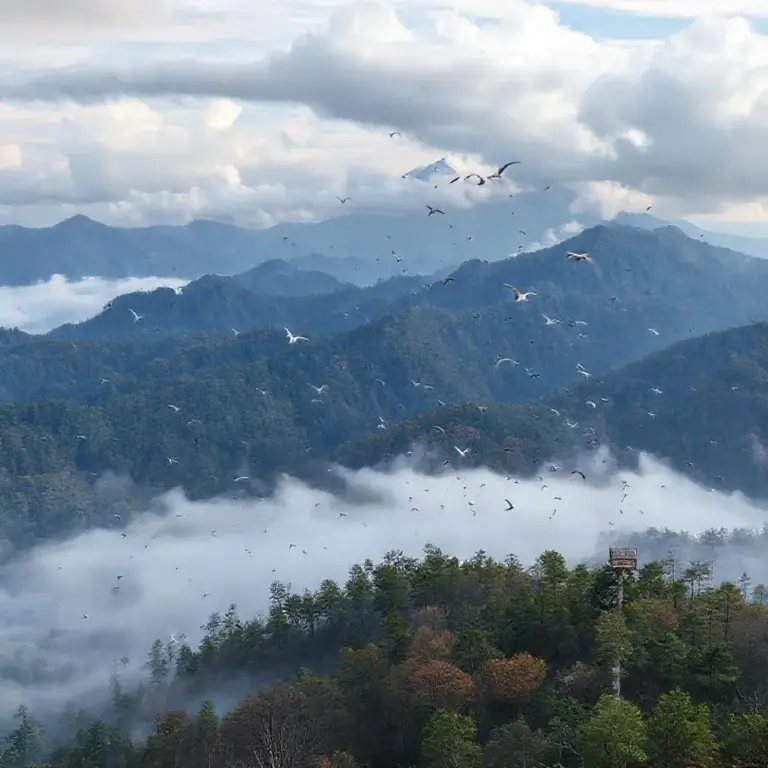
Doi Inthanon, Thailand’s highest peak, is not only a sanctuary for stunning landscapes but also a critical waypoint on the East Asian flyway. For avid birders planning their 2025 expedition, understanding the **Best Time to Visit and Seasonal Bird Migration Patterns on Doi Inthanon (2025)** is crucial for maximizing species sightings. This guide provides expert insights into when the skies are busiest and how to prepare for an unforgettable ornithological adventure.
As a designated National Park and a Key Biodiversity Area (KBA), Doi Inthanon offers unique montane habitats. The elevation gradient—from the misty lower slopes to the chilly summit—creates diverse ecological niches, attracting both resident species and vast numbers of migratory birds seeking refuge or refueling stops. Our analysis focuses on the two primary migratory seasons to help you pinpoint your ideal travel dates.
Understanding Doi Inthanon’s Migratory Significance
Doi Inthanon acts as a vital stopover point for birds traveling between Siberia, Northeast Asia, and Southeast Asia. The cool, high-altitude environment mimics breeding grounds for some species, while for others, it serves as a crucial wintering site before they continue south towards peninsular Malaysia or Indonesia.
Resident vs. Migratory Species
Before diving into migration, it’s important to recognize the birds that never leave. Doi Inthanon boasts incredible endemic and resident species. Keep an eye out year-round for:
- The endemic Chestnut-tailed Minivet.
- Various species of laughingthrushes and babblers endemic to the highlands.
- Fire-tailed Myzornis, often seen flitting through the rhododendrons.
Peak Bird Migration Seasons for 2025
The most dramatic influx of birdlife occurs during the transition periods between summer and winter. Planning your trip around these windows is essential for witnessing the sheer volume of migratory species.
The Autumn Migration (North to South)
This is often considered the primary viewing window for large-scale movements.
- Timing: Late September through Mid-November 2025.
- What to Expect: Large flocks of flycatchers, warblers, and various thrushes moving south. This period often coincides with excellent weather following the rainy season, making trekking easier.
- Key Species: Look for Siberian Rubythroat, various Phylloscopus warblers, and possibly flocks of migratory raptors passing over the higher ridges.
The Spring Migration (South to North)
The return journey sees birds stopping to refuel before heading to their breeding grounds.
- Timing: Mid-February through Early April 2025.
- What to Expect: Birds are often more vocal as they prepare to breed. The forest is waking up, and the cooler mornings are perfect for early surveys.
- Key Species: Various species of shrikes and broadbills making their way north.
Seasonal Weather and Altitude Considerations
The **Best Time to Visit and Seasonal Bird Migration Patterns on Doi Inthanon (2025)** are inherently linked to the weather. Doi Inthanon’s climate varies drastically with altitude.
| Season | Months (Approx.) | Weather Conditions | Birding Impact |
|---|---|---|---|
| Cool/Dry (Peak) | Nov – Feb | Chilly mornings (near freezing at summit); sunny days. | Excellent visibility; high concentration of wintering residents. |
| Hot/Dry | Mar – May | Warm days; transition to hotter weather; potential for haze. | Good for high-altitude species; excellent for vocalizing birds before migration ends. |
| Wet/Rainy | Jun – Oct | Frequent heavy rain; high humidity; thick mist. | Challenging trekking; migration slows; focuses on resident species in lower areas. |
For optimal birding comfort and clear views, aim for the transitional periods (Oct/Nov or Feb/Mar). However, if sheer volume of migratory species is your goal, late October and early November are statistically superior.
Essential Gear and Ethical Birding Practices
Birding at this altitude requires preparation. High-quality optics are non-negotiable, but ethical behavior ensures the long-term health of this fragile ecosystem.
Recommended Equipment
- Powerful Binoculars (10×42 recommended).
- Spotting Scope (essential for distant raptors).
- Warm Layers: Temperatures drop significantly at the summit, even in warm months. Bring gloves and a hat.
- Rain Gear: Essential, especially if visiting during shoulder seasons.
To better understand the local environment and typical sightings, watch this guide on birding in Northern Thailand:
When you visit Doi Inthanon, remember that you are entering a protected area. Always stay on marked trails to avoid damaging sensitive flora and disturbing nesting sites. Never use playback recordings excessively, as this stresses the birds and can disrupt their natural behavior, especially during critical migration or breeding periods.
Top Birding Hotspots within Doi Inthanon National Park
While the entire park is excellent, certain areas are renowned for specific bird activity:
- Kew Mae Pan Nature Trail: Excellent for high-altitude montane species. Requires a local guide.
- Ang Ka Luang Nature Trail: Famous for its mossy forest and high density of endemic species.
- Visitor Center Area: Good for general species identification and often hosts feeders managed by park staff (observe rules regarding feeding).
To plan your route and accommodation near the mountain base, refer to general tourism information for the area:
Explore Chiang Mai Tourism Resources
คำถามที่พบบ่อย (FAQ)
Here are answers to common questions regarding birding on Doi Inthanon.
References
For further reading and confirmation of bird sightings, consult reputable ornithological resources: