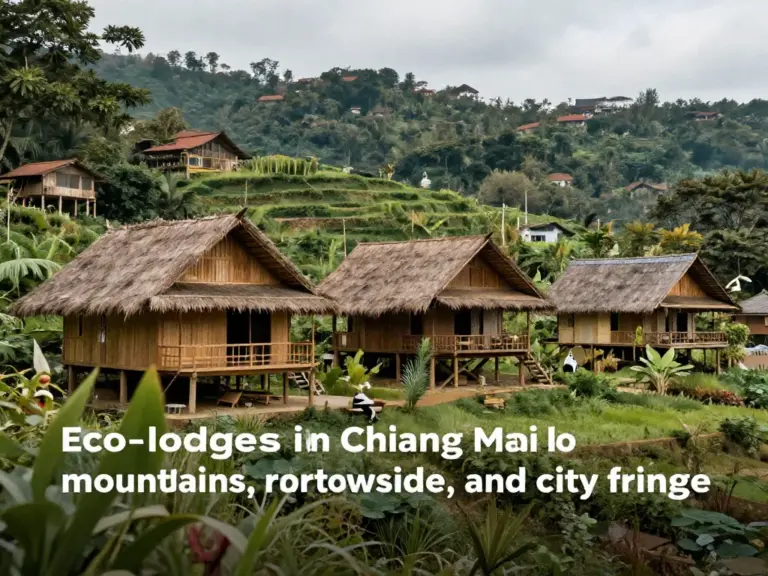
Best Areas to Find Eco-Lodges in Chiang Mai: Mountains, Countryside, and City Fringe
- Best Areas to Find Eco-Lodges in Chiang Mai: Mountains, Countryside, and City Fringe
- The Misty Mountains: Mae Rim and Mae Taeng
- The Peaceful Countryside: Hang Dong and San Kamphaeng
- The City Fringe: Sustainable Sanctuaries near the Old City
- คำถามที่พบบ่อย (FAQ)
- What is the best time of year to visit eco-lodges in Chiang Mai?
- Are eco-lodges in Chiang Mai family-friendly?
- How do I ensure an eco-lodge is truly sustainable?
Chiang Mai, the cultural heart of Northern Thailand, has evolved into a premier destination for travelers seeking sustainable and responsible tourism experiences. When planning your trip, identifying the Best Areas to Find Eco-Lodges in Chiang Mai is essential to curating a journey that aligns with your values. Whether you crave the misty heights of the mountains, the golden tranquility of the rice paddies, or the convenience of the city fringe, Chiang Mai offers a diverse array of eco-conscious accommodations designed to minimize environmental impact while maximizing cultural connection.
In this guide, we explore the distinct landscapes of the region, helping you choose the perfect sustainable sanctuary for your next Northern Thai adventure.
The Misty Mountains: Mae Rim and Mae Taeng
For many, the quintessential Chiang Mai experience involves waking up above the clouds. The northern districts of Mae Rim and Mae Taeng are arguably the Best Areas to Find Eco-Lodges in Chiang Mai if your priority is immersion in nature. These regions are characterized by dense jungle canopies, cascading waterfalls, and steep valleys.
Accommodations here range from rustic bamboo huts to sophisticated, solar-powered luxury tents. By staying in these high-altitude retreats, you support local efforts to reforest areas previously impacted by slash-and-burn agriculture, making your stay a direct contribution to conservation.
The Peaceful Countryside: Hang Dong and San Kamphaeng
If you prefer the gentle rhythms of rural life, the districts of Hang Dong and San Kamphaeng are ideal. These areas are defined by expansive rice paddies, traditional artisan villages, and slower-paced living. Eco-lodges here often integrate traditional Lanna architecture with modern sustainable practices, such as greywater recycling and organic garden-to-table dining.
Why Choose the Countryside?
- Cultural Immersion: Closer proximity to local handicraft workshops.
- Biking and Nature Trails: Flat landscapes perfect for cycling through rural communities.
- Farm-to-Table Focus: Access to fresh, organic produce grown on-site or by neighboring farms.
The City Fringe: Sustainable Sanctuaries near the Old City
Traveling sustainably doesn’t always mean isolating yourself in the wilderness. The city fringe areas, particularly zones near the Doi Suthep foothills, offer a unique blend of urban convenience and eco-friendly living. These properties are perfect for travelers who want to explore the vibrant markets and temples of Chiang Mai while maintaining a low carbon footprint.
Many of these city-fringe lodges utilize repurposed materials and emphasize waste reduction programs, proving that urban tourism can be just as environmentally conscious as rural retreats. They provide easy access to public transport and bicycle-sharing networks, reducing the need for private vehicle travel.
คำถามที่พบบ่อย (FAQ)
What is the best time of year to visit eco-lodges in Chiang Mai?
The best time is during the cool season, from November to February. During this time, the weather is pleasant, and the lush greenery of the mountains and countryside is at its peak after the rainy season.
Are eco-lodges in Chiang Mai family-friendly?
Yes, many eco-lodges are highly family-friendly. They often provide educational experiences for children, such as organic gardening workshops, nature walks, and opportunities to interact with rescued animals in ethical sanctuaries.
How do I ensure an eco-lodge is truly sustainable?
Look for certifications like Green Globe or local Thai sustainability awards. Additionally, check their website for transparency regarding water usage, energy sources (solar/wind), waste management policies, and their support for local community employment.