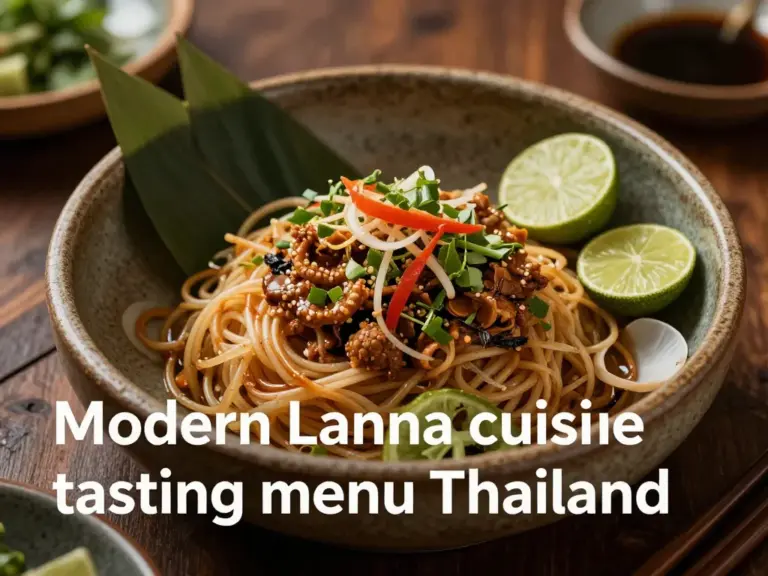
Northern Tasting Menus 2025: Modern Lanna Cuisine in Thailand
The gastronomic landscape of Thailand is undergoing a profound transformation, and nowhere is this more evident than in the rising popularity of Northern Tasting Menus 2025. As travelers increasingly seek authentic yet elevated culinary experiences, the spotlight has turned to the misty mountains of the North. Modern Lanna cuisine is no longer just about traditional khao soi or sai oua; it is becoming a sophisticated narrative of history, terroir, and innovation.
In 2025, chefs across Chiang Mai and Chiang Rai are redefining what it means to eat ‘Northern.’ By merging ancestral techniques—such as smoking over local wood, fermenting wild herbs, and utilizing hyper-seasonal mountain produce—with contemporary plating and global culinary philosophies, they are creating dining experiences that rival the most prestigious tables in Bangkok or Europe. This shift marks a new chapter for Thailand tourism, inviting food enthusiasts to embark on a journey that respects the past while fearlessly embracing the future.
The Evolution of Modern Lanna Cuisine
Lanna cuisine, deeply rooted in the culture of the former Lanna Kingdom, has always been defined by its unique geography. High altitudes, cool climates, and dense forests have gifted the region with ingredients not found in the central plains. In the past, this meant hearty, rustic dishes designed to nourish farmers and mountain tribes. Today, the Northern Tasting Menus 2025 trend takes these humble ingredients—like jungle fern, wild bamboo shoot, and local heirloom rice—and elevates them into multi-course tasting experiences.
Key Elements Redefining the Experience
- Hyper-Local Sourcing: Chefs are partnering directly with highland communities to source rare mushrooms, mountain honey, and specialized coffee beans.
- Fermentation Focus: Utilizing ancient preservation methods to create complex, umami-rich sauces that form the backbone of modern tasting menus.
- Artisanal Plating: Moving away from the traditional communal style, tasting menus offer curated, individual plates that highlight the texture and color of Northern ingredients.
Why Northern Tasting Menus 2025 Are a Must-Try for Travelers
For the discerning traveler, dining is not just about sustenance; it is about storytelling. A tasting menu in Chiang Mai today offers a portal into the diverse ethnic cultures of the North. You might start a meal with a refined interpretation of Nam Prik Ong, presented as a delicate amuse-bouche, and finish with a dessert made from local forest fruits and organic cacao from the hills of Mae Taeng. This is an immersive cultural education that cannot be replicated in a standard restaurant setting.
| Experience Type | Focus | Typical Setting |
|---|---|---|
| Fine Dining Lanna | Technique & Presentation | Restored Teak Houses |
| Mountain Fusion | Indigenous Ingredients | Riverside or Hillside Resorts |
| Modern Street-Gourmet | Street Food Flavors | Boutique Urban Kitchens |
Planning Your Culinary Journey
When planning your trip to explore these culinary delights, it is essential to book in advance. The most exclusive establishments often have limited seating to ensure the highest quality of service. Many of these venues are located in historic parts of Chiang Mai or hidden within the lush landscapes of the Mae Rim district. Consider staying at a boutique hotel that specializes in local gastronomic tourism to get the most out of your experience.
คำถามที่พบบ่อย (FAQ)
1. What makes Northern Tasting Menus 2025 different from traditional Northern food?
While traditional food focuses on comfort and communal sharing, the 2025 tasting menus emphasize chef-driven innovation, refined presentation, and a narrative approach to ingredients, often blending traditional Lanna flavors with modern culinary techniques.
2. Is it necessary to reserve a table in advance?
Yes, highly recommended. Many of the top-tier restaurants offering these specialized tasting menus are boutique operations with limited seating capacity.
3. Are vegetarian options available?
Most modern Lanna restaurants are very accommodating. Because Lanna cuisine naturally utilizes many forest vegetables, fruits, and mushrooms, chefs are often happy to create a vegetarian or vegan tasting menu if notified during the reservation process.