What to Expect During a Sak Yant Tattoo Ceremony: Prices, Rituals, and Cultural Etiquette
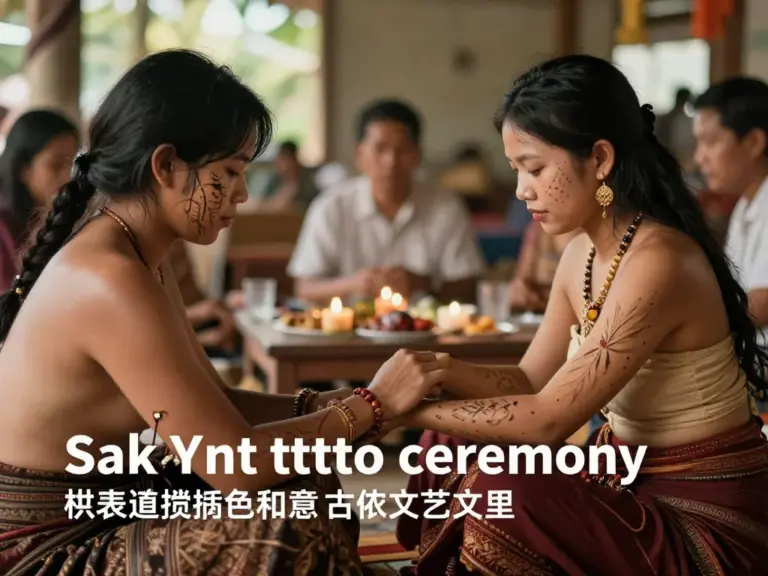
For many travelers visiting Thailand, the allure of a Sak Yant tattoo ceremony goes far beyond simple body art. It is a profound spiritual journey rooted in ancient Khmer and Buddhist traditions. Unlike modern tattoo parlors, receiving a Sak Yant is a sacred ritual involving a blessing, a deep connection between the recipient and the master, and strict adherence to cultural etiquette. Whether you are seeking protection, good fortune, or personal transformation, understanding what happens during this ceremony is essential for a respectful and authentic experience.
Understanding the Sak Yant Tradition
Sak Yant, often called a “Thai bamboo tattoo,” involves the hand-poking of sacred geometric patterns, mantras, and animal deities onto the skin using a sharpened bamboo stick or metal rod. The word ‘Sak’ means to tap or tattoo, and ‘Yant’ refers to the Yantra design itself. It is believed that the master monk or Ajarn (master) infuses the tattoo with magical power through prayers and meditation during the process. This is not a fashion statement; it is a commitment to a set of spiritual rules known as the ‘precepts.’
What to Expect During the Ceremony
The atmosphere of a Sak Yant tattoo ceremony is usually humble and serene. You will likely visit a temple (Wat) or an Ajarn’s private studio. Upon arrival, you will offer a small donation or ‘Bucha’—a ceremonial gift that typically includes flowers, incense, and a small monetary contribution. The master will then determine which Yant design is best suited for your aura and life path. Once the design is selected, the tapping begins. The sensation is often described as intense but bearable, accompanied by the rhythmic chanting of the master, which is intended to empower the ink.
Essential Cultural Etiquette
Respect is the cornerstone of the Sak Yant experience. Because this is a religious practice, you must adhere to specific rules to avoid offense:
- Dress Modestly: Cover your shoulders and knees. This is non-negotiable in temple settings.
- Avoid Physical Contact: If you are female, be aware that many monks are strictly forbidden from touching women. You may need to arrange for a specific ceremony that accommodates this.
- Remove Footwear: Always take off your shoes before entering the sacred space.
- Respect the Monks: Never point your feet toward the master or the Buddha images.
- Follow the Precepts: After receiving the tattoo, you may be asked to follow certain moral codes, such as not stealing, lying, or harming others, to maintain the power of the Yant.
Pricing and Donations
Understanding Costs
In traditional settings, there is no “price tag” for a Sak Yant. Instead, you offer a donation. However, in commercialized settings or guided tours, prices are often fixed. Expect to pay anywhere from 1,000 THB to 5,000 THB depending on the intricacy of the design and the reputation of the Ajarn.
Where to Find Authentic Sak Yant
While there are many places to get a tattoo, seeking an authentic experience is key. Wat Bang Phra in Nakhon Pathom is famous as the “Temple of Tattoos.” However, there are many reputable Ajarns in Bangkok and Chiang Mai. Always ensure you are going to a place that prioritizes hygiene, using sterilized needles for every person.
คำถามที่พบบ่อย (FAQ)
Is a Sak Yant tattoo painful?
The hand-poking method is generally considered less painful than a machine tattoo. It feels more like a rapid tapping sensation, though the intensity depends on the location of the tattoo on your body.
Can women receive a Sak Yant tattoo?
Yes, women can receive Sak Yant tattoos. However, they must find a master who is permitted to tattoo women, as many monks have vows of celibacy that prevent them from touching women.
Do I need to make an appointment?
For private Ajarns, appointments are usually necessary. If you visit a temple, it is often a first-come, first-served basis, but it is highly recommended to hire a guide to help navigate the process.