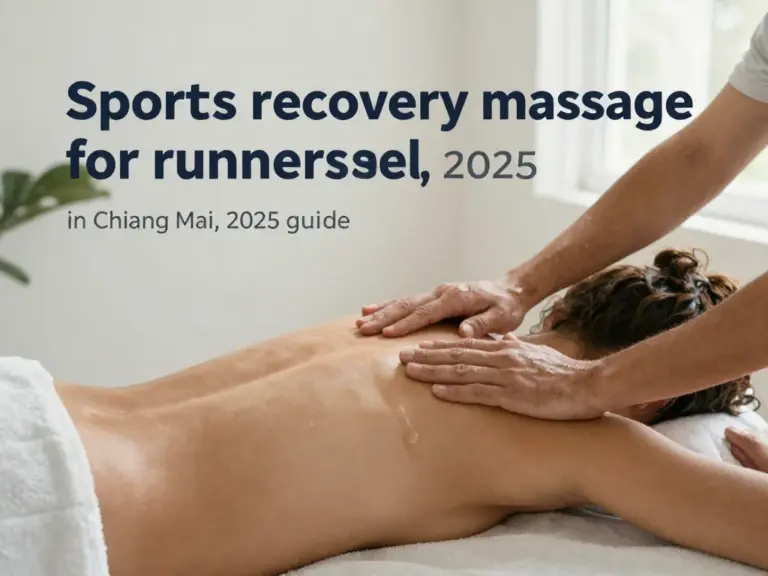
Sports Recovery Massages in Chiang Mai for Runners: A 2025 Guide
Chiang Mai has rapidly become a premier destination for endurance athletes. From the grueling trails of Doi Suthep to the scenic loops around the moat, the city attracts runners from across the globe. However, high-intensity training in a tropical climate demands serious attention to post-run care. Finding high-quality sports recovery massages in Chiang Mai for runners is not just a luxury; it is a critical component of sustaining your performance and preventing injury during your stay.
Whether you are training for a local marathon or simply squeezing in a few training runs while on vacation, your muscles will inevitably accumulate micro-tears and tension. This guide will help you navigate the local wellness scene, distinguish between relaxation spa treatments and therapeutic sports work, and ensure you return to the trails feeling refreshed rather than depleted.
sports recovery massages in Chiang Mai for runners: Understanding the Difference: Thai Massage vs. Sports Massage
When searching for recovery options in Thailand, it is vital to understand the local landscape. Traditional Thai massage is world-renowned, but it is fundamentally different from a clinical sports massage. Traditional Thai massage involves deep stretching, joint mobilization, and energy line work. While beneficial for general flexibility, it may not be the primary choice for an athlete dealing with specific overuse injuries or acute muscle fatigue.
Sports massage, by contrast, is focused on physiological outcomes: reducing lactic acid buildup, increasing blood flow to damaged tissues, and addressing specific trigger points. In Chiang Mai, you will find a hybrid of these styles. Many clinics offer ‘Sports Recovery’ packages that blend Western sports massage techniques with the precision of Thai anatomical knowledge. Always clarify your specific needs—such as IT band tightness or calf soreness—before the session begins.
What to Look for in a Recovery Clinic
Not every wellness center is equipped to handle athletic recovery. When vetting providers for sports recovery massages in Chiang Mai for runners, keep an eye out for these professional indicators:
- Anatomical Knowledge: Does the therapist ask about your running volume or specific areas of pain? A good therapist should understand the mechanics of a runner’s gait.
- Customization: Avoid places that offer a ‘one-size-fits-all’ menu. A legitimate sports recovery session should be tailored to the specific muscles you used during your last run.
- Cleanliness and Professionalism: Look for clinics that prioritize hygiene, use high-quality oils or balms, and offer private treatment rooms.
- Communication: Can the staff communicate effectively about pressure levels? You need to be able to request ‘deep tissue’ or ‘lighter pressure’ depending on your current level of soreness.
| Massage Type | Focus Area | Best For |
|---|---|---|
| Deep Tissue Sports | Muscle Fibers & Fascia | Acute soreness post-long run |
| Traditional Thai | Full Body Flexibility | General maintenance & stiffness |
| Reflexology | Feet & Lower Legs | Plantar fasciitis & foot fatigue |
| Lymphatic Drainage | Reducing Inflammation | Recovery after high-intensity intervals |
Strategic Timing for Your Recovery Sessions
Timing is everything when it comes to bodywork. A common mistake runners make is booking a deep-tissue massage immediately before a big race or a hard interval session. Deep tissue work can temporarily leave muscles feeling heavy or tender as they recover from the manipulation.
For optimal results, aim for a sports recovery massage at least 48 hours before a major race, or within 24 to 48 hours after a heavy training load. This window allows your nervous system to calm down and your muscles to absorb the benefits of the treatment without the residual ‘post-massage ache’ interfering with your performance.
Essential Post-Run Recovery Checklist
Beyond getting a professional massage, you must manage your own recovery to maximize the benefits. Use this checklist to stay on top of your game while in Chiang Mai:
- Hydration: Chiang Mai is hot. Ensure you are replenishing electrolytes, not just water, immediately after your run.
- Compression: If you are traveling, bring compression socks to wear on your flight or during long days walking around the city.
- Active Recovery: Use the city’s many walking paths or swimming pools for low-impact movement the day after a hard run.
- Nutrition: Local Thai food is delicious, but focus on high-protein options like grilled chicken or tofu to aid muscle repair.
- Massage Scheduling: Book your appointment in advance, especially during the peak running season (November to February).
Finding the Right Balance
While the search for the perfect sports recovery massages in Chiang Mai for runners is important, remember that the massage is a supplement to your training, not a replacement for rest. Listen to your body. If you feel sharp, localized pain that does not dissipate after a massage, seek out a local physiotherapist or medical professional rather than relying solely on massage therapy.
Chiang Mai offers a unique blend of traditional healing practices and modern wellness standards. By approaching your recovery with the same discipline you bring to your running schedule, you will find that you can enjoy the trails of Northern Thailand for much longer.
Frequently Asked Questions (FAQ)
A: It is generally recommended to get a deep sports massage after a long run. A light massage or gentle stretching session can be done before, but avoid deep tissue work within 48 hours of a race.
A: Yes, Chiang Mai has several physiotherapy clinics and specialized sports massage centers, particularly near the Nimmanhemin and Old City areas, that cater to the active expat and athlete community.
A: Prices vary widely. Expect to pay more for specialized sports therapy in a clinic setting compared to a standard street-side massage stall. Quality sports-focused sessions typically range from 600 to 1,500 THB per hour.
A: Absolutely not. Professional therapists expect feedback. If the pressure is too light or too deep, communicate this clearly. It is your body and your recovery session.