How to plan your temple-hopping itinerary in Chiang Mai (2025): Best routes, time of day, dress code, transportation, and guided vs self-guided options
- How to plan your temple-hopping itinerary in Chiang Mai (2025): Best routes, time of day, dress code, transportation, and guided vs self-guided options
- Why Chiang Mai is the Ultimate Temple-Hopping Destination
- Essential Planning Tips for Your 2025 Chiang Mai Temple Hopping
- Crafting Your Ideal Temple-Hopping Routes
- Transportation Options for Temple Hopping
- Guided Tours vs. Self-Guided Exploration
- Making the Most of Your Temple Experience
- คำถามที่พบบ่อย (FAQ)
Chiang Mai, often referred to as the ‘Rose of the North,’ is a city steeped in spiritual heritage, boasting over 300 ancient Buddhist temples, locally known as ‘wats.’ For travelers seeking to immerse themselves in Thai culture and witness stunning architecture, a temple-hopping itinerary in Chiang Mai is an absolute must. This guide provides comprehensive insights for planning your 2025 adventure, covering everything from the best routes and optimal times to visit, to understanding the local dress code, navigating transportation, and deciding between guided tours or independent exploration. Prepare to be captivated by the serene beauty and profound history that each wat offers. [27, 28]
Why Chiang Mai is the Ultimate Temple-Hopping Destination
Chiang Mai’s temples are not just places of worship; they are living museums, each telling a unique story of the Lanna Kingdom’s rich history and spiritual traditions. Unlike the sprawling layout of Bangkok, many of Chiang Mai’s most significant temples are concentrated within the ancient walled Old City, making them easily accessible for exploration. Beyond the city walls, majestic wats like Wat Phra That Doi Suthep offer breathtaking panoramic views and a deeper spiritual experience. The sheer number and diversity of temples, from the intricate teakwood of Wat Phan Tao to the imposing ruins of Wat Chedi Luang, ensure that every visitor finds something to marvel at. [5, 6, 18, 19, 20, 27, 28]
Essential Planning Tips for Your 2025 Chiang Mai Temple Hopping
Best Time of Day to Visit Temples
To maximize your temple-hopping experience and avoid both the crowds and the midday heat, it’s highly recommended to visit temples either in the early morning or late afternoon. Most temples open around 6:00 AM, offering a serene atmosphere for quiet contemplation and photography. Visiting before 9:00 AM or after 4:00 PM also provides a chance to witness monks chanting, particularly around sunset, which adds a profound spiritual dimension to your visit. The cool season, from November to February, offers the most comfortable weather for extensive outdoor activities like temple visits. [10, 20, 26, 29]
Understanding Temple Dress Code and Etiquette
Respectful attire is paramount when visiting any Buddhist temple in Thailand. Both men and women should ensure their shoulders and knees are covered. This means avoiding sleeveless tops, short shorts, or skirts above the knee. Loose-fitting trousers or long skirts are ideal. Some major temples may offer sarongs for rent or purchase if you arrive unprepared, but it’s best to come dressed appropriately. [3, 4, 9, 21, 29]
- Remove your shoes before entering any temple building (look for piles of shoes at the entrance). [4, 7, 12, 21]
- Hats and sunglasses should also be removed. [3, 21]
- Do not point your feet at Buddha images or monks, as feet are considered the lowest and least clean part of the body. Sit with your feet tucked behind you. [3, 4, 7, 12, 21]
- Women should not touch monks or hand objects directly to them. Place items on a table for them to pick up. [3, 7, 21]
- Speak softly and keep your phone on silent. [3, 12, 21]
- Do not turn your back to the Buddha image when taking photos. [3]
Crafting Your Ideal Temple-Hopping Routes
Old City Loop: A Walk Through History
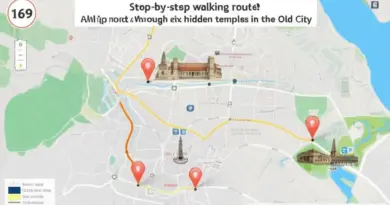
The Old City, encircled by ancient walls and a moat, is incredibly walkable and home to some of Chiang Mai’s most iconic temples. A full day can easily be spent exploring these historical gems. This temple-hopping itinerary in Chiang Mai for the Old City could include:
- Wat Phra Singh: Known as ‘The Temple of the Lion Buddha,’ it’s a stunning example of classic Lanna architecture, housing revered Buddha images. [5, 6, 18, 19]
- Wat Chedi Luang: A massive ruined chedi (stupa) that was once the tallest structure in Chiang Mai and housed the Emerald Buddha. Explore its impressive grounds. [5, 6, 18, 19, 28]
- Wat Phan Tao: Located next to Wat Chedi Luang, this beautiful teakwood temple is known for its intricate carvings. [19]
- Wat Chiang Man: The oldest temple in Chiang Mai, dating back to 1296, featuring an ‘Elephant Chedi.’ [5, 18, 20]
- Wat Sri Suphan (Silver Temple): Just outside the Old City’s southern gate, this unique temple is adorned with intricate silver and aluminum panels. Women are often restricted from entering the main ordination hall. [18, 24]
Beyond the Walls: Doi Suthep and Surrounding Gems
For those looking to venture further, temples outside the Old City offer diverse experiences:
- Wat Phra That Doi Suthep: Perched atop Doi Suthep mountain, this is Chiang Mai’s most famous temple, offering spectacular views of the city. It requires a 306-step climb or a funicular ride. [18, 19, 20, 24]
- Wat Umong: Known as ‘The Tunnel Temple,’ this forest temple provides a peaceful and meditative atmosphere with ancient tunnels and a large artificial lake. [19, 29]
- Wat Phra That Doi Kham: The ‘Temple of the Golden Mountain,’ offering a giant Buddha statue and impressive city views from the southwest. [16]
Transportation Options for Temple Hopping
Chiang Mai offers a variety of ways to get around, catering to different budgets and preferences:
Songthaews and Tuk-Tuks: Local Flavors
Songthaews (red pickup trucks) are the most common and affordable form of public transport. They operate like shared taxis; simply flag one down, state your destination, and negotiate the fare before hopping on. Fares typically start from 30 THB for short distances within the city. [8, 11, 13, 15, 17] Tuk-tuks offer a more exhilarating ride and are great for shorter distances or if you’re in a hurry. Always negotiate the fare before starting your journey. [8, 11, 13, 15]
Ride-Hailing Apps (Grab): Convenience at Your Fingertips
Apps like Grab (Thailand’s equivalent of Uber) are incredibly convenient for getting around Chiang Mai. They offer fixed prices, route tracking, and easy pickups, making them a reliable choice, especially for longer distances or late-night travel. [8, 11, 15]
Scooter Rental: For the Adventurous
Renting a scooter provides ultimate flexibility to explore at your own pace, especially for temples outside the city center. However, only do this if you are an experienced rider and possess an international driving permit. Traffic can be chaotic, and safety should be your top priority. [11, 15]
Guided Tours vs. Self-Guided Exploration
The choice between a guided tour and self-guided exploration depends on your travel style and preferences.
The Benefits of a Guided Temple Tour
Guided tours offer invaluable insights into the history, symbolism, and cultural significance of each temple, often led by knowledgeable locals or even ex-monks. They handle transportation logistics, ensuring a smooth and efficient visit, especially for popular sites like Doi Suthep. This is particularly beneficial for first-time visitors who want a deeper understanding without the hassle of planning. Many tours combine several key temples, optimizing your time. [31, 32, 33, 34]
Embracing the Freedom of Self-Guided Temple Hopping
For independent travelers, a self-guided temple-hopping itinerary in Chiang Mai offers unparalleled flexibility. You can linger at temples that capture your interest, discover hidden gems off the beaten path, and set your own pace. The Old City is particularly well-suited for walking tours, allowing you to stumble upon charming alleys and local eateries between temple visits. This option can also be more budget-friendly as you control all expenses. [6, 24, 25, 27, 28]
Making the Most of Your Temple Experience
Beyond the planning, truly engaging with the temples enhances your visit:
- Observe and Reflect: Take time to sit quietly, observe the local worshippers, and soak in the peaceful atmosphere.
- Monk Chat: Some temples, like Wat Suan Dok and Wat Umong, offer ‘Monk Chat’ programs where you can speak with monks, learn about Buddhism, and ask questions. [29]
- Support Local: Consider making a small donation to the temple for its upkeep.
- Stay Hydrated: Chiang Mai can be hot, especially during the day. Carry water and take breaks.
- Combine with Markets: Many temples are near vibrant markets, offering a chance to experience local life and taste delicious street food. For instance, Wat Chedi Luang is close to the Sunday Walking Street. [5]
Planning your temple-hopping itinerary in Chiang Mai for 2025 promises an unforgettable journey into Thailand’s spiritual heart. By considering the best times to visit, adhering to cultural etiquette, choosing suitable transportation, and deciding between guided or self-guided exploration, you’re set for an enriching experience that combines cultural immersion with breathtaking beauty.
คำถามที่พบบ่อย (FAQ)
References
- Chai Lai Orchid: Tips for Visiting Temples in Chiang Mai
- Chiang Mai Family Guide: Temple Etiquette in Chiang Mai
- Will Fly for Food: Go Temple Hopping in Chiang Mai Old City, Thailand
- Drone & DSLR: 7 Most Beautiful Temples in Chiang Mai’s Old City w/ Self-Guided Map
- Howie’s Homestay: Mind Your Manners – How to Observe Thai Etiquette During Your Visit to Chiang Mai
- TAGTHAi: Transportation options: A Guide to Getting around Chiang Mai
- Meet Me In Departures: What to Wear in Thailand Temples: Thailand Temple Dress Code
- Pickyourtrail: Best Time to Visit Chiang Mai – Seasonal Travel Guide
- Passport and Stamps: How To Get Around Chiang Mai? All Transport Options And Tips
- Sak Yant Chiang Mai: Visiting Buddhist Temples Etiquette and the Do’s and Dont’s
- Hotels.com: Getting Around Chiang Mai – Chiang Mai Transportation
- Thailande et Asie: Chiang Mai: 5 temples to see outside the old city
- GetYourGuide: Best Way to Get Around Chiang Mai: Everything You Need To Know
- Thailand Local Travel: The Best 5 Temples Outside of Chiang Mai’s City Center
- Bon Voyage Thailand: Getting around in Chiang Mai
- The Backpacking Housewife: Thailand: Chiang Mai – My Top Temples Tour
- Jagsetter: 10 Best Temples in Chiang Mai, Thailand & Surrounding Area (2024)
- Sunshine Seeker: 13 most beautiful Chiang Mai temples you don’t want to miss
- Fan Club Thailand: Etiquette advice for visiting Thai temples
- GetYourGuide: An all-season guide to the best time to visit Chiang Mai
- Big Boy Travel: FREE Chiang Mai Walking Tour Map – Old Town Temples Guide Thailand
- TripTins: The 7 BEST Temples in Chiang Mai | A Self Guided Tour
- Nomads Travel Guide: Free Walking Tour of Chiang Mai’s Temples
- Passport and Stamps: Best Time To Visit Chiang Mai: When To Go And When To Avoid
- The Travel Author: CHIANG MAI TEMPLES ITINERARY – 3 Day DIY Tour
- GPSmyCity: Chiang Mai Temples Walking Tour (Self Guided), Chiang Mai, Thailand
- Royal Vacation: Chiang Mai Temples – Full Guide
- Withlocals: Temple Tours in Chiang Mai – Withlocals
- Chiang Mai To Travel: CHIANG MAI TEMPLE TOURS : CHIANG MAI OLD CITY : DOI SUTHEP
- Viator: Chiang Mai City and Temples Half-Day Tour 2025 – BOOK NOW
- GetYourGuide: Chiang Mai: Temple And City Walking Tour Part I
- Chiang Mai 2025: Must-See Temples Beyond Wat Phra Singh — Complete Guide to History, Hidden Gems, and Practical Tips
- Top lesser-known temples in Chiang Mai (2025): Wat Umong, Wat Phra That Doi Suthep alternatives, and why locals love them
- Historical and architectural highlights: What makes Chiang Mai temples unique — Lanna art, murals, chedis, and sacred relics explained