Historical and architectural highlights: What makes Chiang Mai temples unique — Lanna art, murals, chedis, and sacred relics explained
- Historical and architectural highlights: What makes Chiang Mai temples unique — Lanna art, murals, chedis, and sacred relics explained
- The Enduring Legacy of Lanna Art in Chiang Mai Temples
- Murals: Sacred Stories Etched on Walls
- Chedis: Spiraling Towards Spiritual Enlightenment
- Sacred Relics: The Heartbeat of Chiang Mai’s Temples
- Iconic Temples Showcasing Chiang Mai’s Unique Heritage
- Experiencing the Spiritual and Artistic Grandeur
- คำถามที่พบบ่อย (FAQ)
Nestled amidst the lush mountains of Northern Thailand, Chiang Mai stands as a beacon of rich cultural heritage and spiritual devotion. Its landscape is dotted with hundreds of ancient temples, each a masterpiece telling tales of a bygone era. These sacred sites are not merely places of worship; they are living museums, showcasing the distinct artistic and architectural prowess of the Lanna Kingdom. What truly makes Chiang Mai temples unique is their profound connection to Lanna art, their captivating murals, the majestic chedis, and the venerated sacred relics they enshrine. For visitors seeking to immerse themselves in Thailand’s spiritual heart, understanding these elements unlocks a deeper appreciation for Chiang Mai’s unparalleled charm.
The Enduring Legacy of Lanna Art in Chiang Mai Temples
Lanna art, a distinct regional style that flourished in Northern Thailand from the 13th to the 18th centuries, is the soul of Chiang Mai’s temples. Characterized by its intricate details, vibrant colors, and profound symbolism, Lanna art manifests in various forms, from delicate wood carvings to robust stucco work and elegant mural paintings. Unlike the more austere styles found elsewhere, Lanna art reflects a deep connection to nature and local folklore, often incorporating elements like mythical creatures (Nagas, Singhs), floral motifs, and scenes from everyday life alongside traditional Buddhist narratives. This unique artistic expression is a primary reason why Chiang Mai temples unique stand out.
Exquisite Wood Carvings and Stucco Work
Walk into any Lanna temple, and your eyes will immediately be drawn to the masterful craftsmanship in wood. Doorways, window frames, and gables are often adorned with elaborate carvings depicting celestial beings, mythical animals, and intricate floral patterns. These carvings, often gilded or inlaid with colored glass, create a dazzling effect that speaks volumes of the artisans’ skill. Similarly, stucco work, particularly on the bases of chedis and temple walls, showcases detailed figures and decorative elements, often in high relief, adding depth and texture to the architectural forms.
Murals: Sacred Stories Etched on Walls
The murals found within Chiang Mai’s temples are vibrant tapestries of Buddhist cosmology, Jataka tales (stories of the Buddha’s previous lives), and local legends. These wall paintings served not only as decorative elements but also as visual sermons, educating the populace about Buddhist principles and moral conduct. Unlike the more formal styles seen in central Thailand, Lanna murals often feature a more dynamic composition, a brighter palette, and a charmingly naïve quality that makes them particularly engaging. They provide a fascinating glimpse into the cultural and religious life of the Lanna Kingdom, making them a key aspect of what makes Chiang Mai temples unique.
Chedis: Spiraling Towards Spiritual Enlightenment
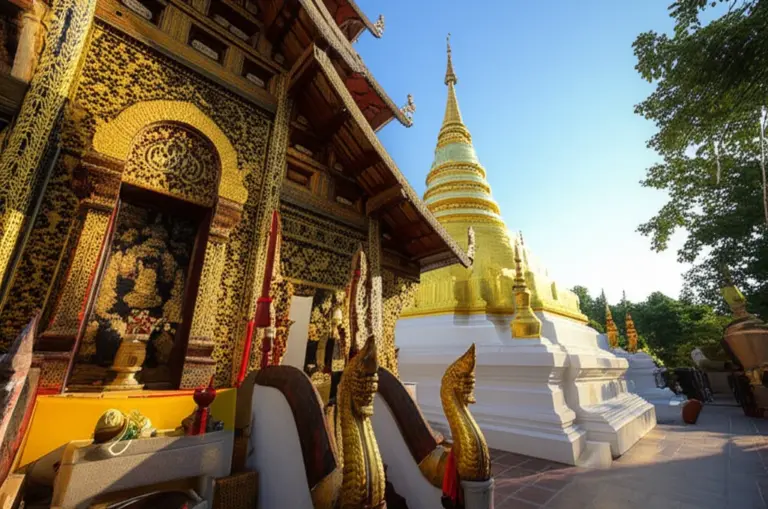
Chedis (stupas or pagodas) are arguably the most iconic architectural features of Thai temples, and those in Chiang Mai exhibit distinct Lanna characteristics. While their primary function is to house sacred relics, their design varies significantly. Lanna chedis often feature a square base, multiple receding tiers, and a bell-shaped or lotus-bud dome, topped with a tall, slender spire. Many are adorned with elephant buttresses, particularly seen at Wat Chedi Luang, symbolizing strength and wisdom. The evolution of chedi design in Chiang Mai reflects centuries of artistic development and religious devotion, contributing significantly to the visual grandeur and spiritual atmosphere of the temples.
Sacred Relics: The Heartbeat of Chiang Mai’s Temples
At the core of every temple’s spiritual significance are its sacred relics. These can range from Buddha images and ancient manuscripts to revered fragments believed to be from the Buddha himself. The presence of such relics transforms a temple into a powerful pilgrimage site, drawing devotees from across the globe. The elaborate ceremonies and rituals surrounding the veneration of these relics underscore the deep spiritual reverence that permeates Thai Buddhist culture, making the temples not just architectural marvels but profound centers of faith.
Iconic Temples Showcasing Chiang Mai’s Unique Heritage
To truly grasp what makes Chiang Mai temples unique, a visit to some of its most renowned sites is essential. Each offers a distinct experience of Lanna art and architecture:
Wat Phra Singh Woramahawihan: A Jewel of Lanna Architecture
Located within the old city walls, Wat Phra Singh is a prime example of classic Lanna style. Its elegant Viharn Lai Kham chapel houses the revered Phra Phutthasihing Buddha image and features exquisite murals depicting local life and Jataka tales. The temple’s gilded facade, multi-tiered roofs, and intricate wood carvings are a testament to Lanna artistry.
Wat Chedi Luang: The Grand Stupa of the Old City
Once home to the Emerald Buddha, Wat Chedi Luang boasts a massive, partially ruined chedi that dominates the old city skyline. Though damaged by an earthquake centuries ago, its sheer scale and the elephant sculptures adorning its base remain incredibly impressive, offering a powerful reminder of the Lanna Kingdom’s past grandeur.
Wat Suan Dok: Royal Gardens and Relic Repository
Situated outside the old city, Wat Suan Dok is known for its beautiful garden of white chedis, which serve as mausoleums for Chiang Mai’s royal family. The temple also houses a significant Buddha relic and offers a serene atmosphere, often used for meditation and monk chats.
Wat Phra That Doi Suthep: The Golden Temple on the Mountain
Perched high on Doi Suthep mountain, this iconic temple offers breathtaking panoramic views of Chiang Mai. Its dazzling golden chedi, said to contain a piece of Buddha’s shoulder bone, is a sight to behold. The climb of over 300 steps, flanked by mythical Naga serpents, is a pilgrimage in itself, symbolizing the ascent to spiritual enlightenment.
Experiencing the Spiritual and Artistic Grandeur
Visiting Chiang Mai’s temples is more than just sightseeing; it’s an immersive cultural experience. Dress respectfully (shoulders and knees covered), remove your shoes before entering temple buildings, and always maintain a quiet demeanor. Consider participating in a ‘monk chat’ for a unique opportunity to learn about Buddhism and local life directly from resident monks. The serene ambiance, coupled with the stunning visual artistry, makes exploring these temples an unforgettable journey for any traveler to Thailand.
Discover the Beauty of Chiang Mai Temples!
Watch this video to get a visual tour of some of Chiang Mai’s most beautiful temples and experience their unique charm firsthand.
In conclusion, the blend of distinctive Lanna art, storytelling murals, imposing chedis, and the profound sanctity of sacred relics is what makes Chiang Mai temples unique. They are not just architectural wonders but vibrant centers of culture, history, and spirituality that continue to captivate and inspire. A journey through these sacred sites is an essential part of any visit to Northern Thailand, offering deep insights into the region’s enduring legacy.
คำถามที่พบบ่อย (FAQ)
References
- Tourism Authority of Thailand (TAT)
- Lonely Planet – Chiang Mai Temples
- The Most BEAUTIFUL Temples In CHIANG MAI, THAILAND – YouTube
- Chiang Mai 2025: Must-See Temples Beyond Wat Phra Singh — Complete Guide to History, Hidden Gems, and Practical Tips
- Top lesser-known temples in Chiang Mai (2025): Wat Umong, Wat Phra That Doi Suthep alternatives, and why locals love them
- How to plan your temple-hopping itinerary in Chiang Mai (2025): Best routes, time of day, dress code, transportation, and guided vs self-guided options