Top spots and angles for unobstructed sunrise photos at Wat Phra That Doi Suthep + camera settings and composition tips
- Top spots and angles for unobstructed sunrise photos at Wat Phra That Doi Suthep + camera settings and composition tips
- Why Sunrise at Wat Phra That Doi Suthep is a Photographer’s Dream
- Top Spots and Angles for Unobstructed Views
- Essential Camera Settings for Sunrise Photography
- Composition Tips for Stunning Shots
- Tips for a Smooth Sunrise Photography Expedition
- Conclusion
- คำถามที่พบบ่อย (FAQ)
- What is the best time to arrive at Wat Phra That Doi Suthep for sunrise photos?
- What camera settings are best for capturing the golden chedi at sunrise?
- Are there specific angles to capture unobstructed views of the sunrise over Chiang Mai from the temple?
- What transportation options are available for an early morning visit to Doi Suthep?
- References
Imagine the first golden rays of dawn illuminating an ancient golden chedi, piercing through the morning mist, with the vibrant city of Chiang Mai slowly awakening beneath your feet. This isn’t just a dream; it’s the magical reality awaiting photographers at Wat Phra That Doi Suthep. For those passionate about capturing stunning Wat Phra That Doi Suthep sunrise photos, this guide is your essential companion. We’ll explore the best viewpoints, delve into crucial camera settings, and share composition tips to help you immortalize this truly spiritual and scenic spectacle in Northern Thailand. Get ready to elevate your travel photography and bring home images that truly tell a story.
Why Sunrise at Wat Phra That Doi Suthep is a Photographer’s Dream
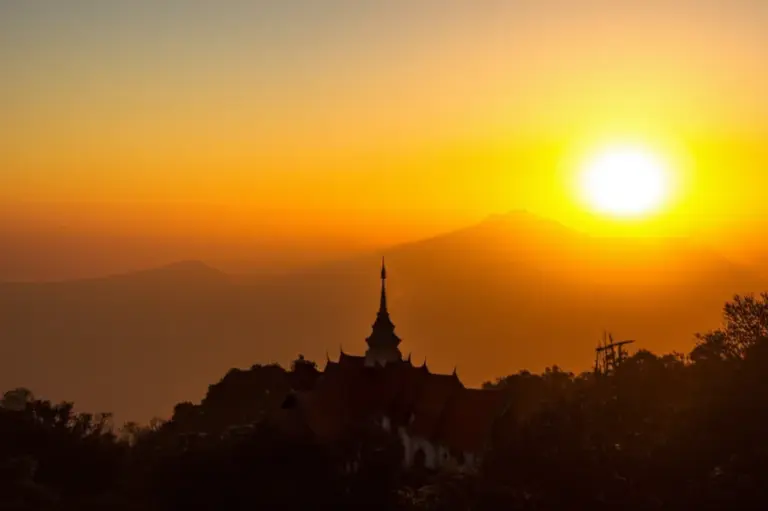
Visiting Wat Phra That Doi Suthep at dawn offers a unique blend of spiritual tranquility and breathtaking natural beauty that is simply unmatched. The early hours provide a serene atmosphere, devoid of the bustling crowds that arrive later in the day, allowing for a more intimate and peaceful experience. As the sun ascends, it casts a soft, ethereal glow over the intricate Lanna architecture of the temple and the sprawling cityscape of Chiang Mai below. This ‘golden hour’ light enhances the gold leaf of the main chedi, making it shimmer with an otherworldly brilliance. Moreover, catching the monks during their morning chants adds a profound cultural dimension to your Wat Phra That Doi Suthep sunrise photos, offering a glimpse into their daily rituals. [7, 10] The crisp, cool mountain air and often clear skies (especially outside the smoky season) ensure optimal visibility, making it an ideal time for photography. [7, 14, 18]
Top Spots and Angles for Unobstructed Views
Securing an unobstructed view is paramount for spectacular sunrise shots. At Wat Phra That Doi Suthep, several key locations offer prime photographic opportunities:
- The Main Viewing Balcony: Located on the temple grounds, this panoramic viewpoint offers sweeping vistas of Chiang Mai city. It’s the most popular spot to watch the sun rise over the distant mountains, painting the sky with a spectrum of colors. Arrive early (around 5:00 AM – 5:30 AM) to claim a good position, as it can get busy even before full light. [7, 10, 14]
- Around the Golden Chedi: While the city view is captivating, don’t forget the temple itself. Angles that capture the magnificent golden chedi bathed in the first light of day can be incredibly powerful. Look for compositions that highlight its intricate details against the soft morning sky. [2, 7, 9, 21]
- The Naga Stairs: The iconic serpent-flanked staircase leading up to the temple can serve as a fantastic leading line in your composition or as a dramatic silhouette against the brightening sky. Experiment with shooting from the base looking up, or from the top looking down with the emerging light as a backdrop. [21]
- Peripheral Areas within the Temple Grounds: Explore slightly less crowded corners of the temple complex. Sometimes, a unique angle can be found by framing the chedi or other temple structures with surrounding trees or smaller statues, adding depth and context.
Essential Camera Settings for Sunrise Photography
Mastering your camera settings is crucial for capturing the dynamic light of a sunrise. Here’s a breakdown of recommended settings:
Composition Tips for Stunning Shots
Beyond technical settings, thoughtful composition transforms a good photo into a great one. Consider these techniques:
- Rule of Thirds: Avoid placing your horizon or main subject dead-center. Instead, position key elements along the intersecting lines or at the points where they meet to create a more dynamic and engaging image. [16, 22]
- Leading Lines: Utilize the temple’s architecture, pathways, or even the Naga stairs to draw the viewer’s eye through the frame towards your focal point, such as the rising sun or the chedi. [4, 22]
- Foreground Interest: Include elements in the foreground – be it a statue, a flower, or even the hands of a praying monk – to add depth and scale to your wide-angle shots of the sunrise or temple. [16, 22]
- Incorporate Human Elements: The presence of monks or early morning visitors can add a sense of scale, spiritual reverence, and storytelling to your images. Capture them respectfully, perhaps as silhouettes against the dawn. [7, 20]
- Silhouettes: Deliberately underexpose to create dramatic silhouettes of the temple structures or distant mountains against the vibrant sunrise sky. Expose for the sky, not the subject, to achieve this effect. [16]
- Vary Your Perspective: Don’t just shoot from eye level. Get low to emphasize foreground elements, or find higher vantage points (if available) to capture sweeping landscapes. Move around to discover unique angles. [22, 23]
- Look Away from the Sun: While the direct sunrise is captivating, turn your camera 90-180 degrees away from the sun. The light illuminating the landscape behind you can be incredibly soft, saturated, and beautiful. [6, 17]
Tips for a Smooth Sunrise Photography Expedition
To ensure your photographic adventure is successful and enjoyable, keep these practical tips in mind:
- Timing is Everything: Plan to arrive at Wat Phra That Doi Suthep at least 30-60 minutes before the official sunrise time. This gives you ample time to find your spot, set up your gear, and capture the beautiful pre-dawn ‘blue hour’ light. [4, 18]
- Transportation: Arrange a Grab taxi or private car in advance, as songthaews typically start running later. Confirm the pick-up time and location the night before. [2, 7, 18]
- Entrance Fee: There is usually an entrance fee (around 30-50 baht for foreigners) to the temple. Have small notes ready. [2, 11]
- Dress Appropriately: It can be cool in the mountains before sunrise, so bring a light jacket. Also, remember to dress respectfully (shoulders and knees covered) as it is a sacred site.
- Gear Essentials: A sturdy tripod is highly recommended for sharp images in low light. Bring extra batteries, a wide-angle lens for sweeping views, and a telephoto lens for capturing details of the chedi or distant city. [15, 16, 20]
This video provides a great visual of the sunrise experience at Wat Phra That Doi Suthep, showcasing the journey and the beauty of the temple in the early morning. [2]
Conclusion
Capturing Wat Phra That Doi Suthep sunrise photos is more than just taking pictures; it’s about experiencing a moment of profound beauty and spiritual calm. By planning your visit carefully, understanding your camera settings, and applying thoughtful composition techniques, you can create a collection of images that not only showcase your photographic skill but also evoke the magic and serenity of this iconic Thai landmark. Embrace the early start, soak in the atmosphere, and let the golden light inspire your best shots yet.
คำถามที่พบบ่อย (FAQ)
References
- The Monk’s Trail Temples – Wat Phra That Doi Suthep, Wat Pha Lat! Sunrise, Monks, Dogs & Hiking!
- Capture Dawn: 4 Tips for Photographing Borobudur Sunrise
- 14 best tips for beautiful sunrise photography
- Sunrise at Doi Suthep | Story – Hero Traveler
- An Amazing Sunrise Tour to Doi Suthep in Chiang Mai – The Ordinary Katalog
- Doi Suthep and Wat Pha Lat Sunrise Tour – Half Day – Klook Travel
- Best places for sunrise/ sunset? : r/chiangmai – Reddit
- Wat Phra That Doi Suthep Temple and the Legendary Sunrise – YouTube
- Photographing Chiang Mai: Best Spots for Capturing Memorable Shots
- Sunrise Photography Tips: Camera Settings for Sunrise – Travel Photography by Andy Feliciotti
- 12 Sunrise Photography Tips for Breathtaking Results
- Sunrise Photography Tips – Camera Settings for Sunrise – The Wandering Lens
- Doi Suthep At Sunrise: A Must-Do In Chiang Mai – Cat is Out of the Office
- How to Take Better Sunrise and Sunset Photos | REI Expert Advice
- Master Temple Photography: Tips for Stunning Shots | Skylum Blog
- 6 Photography Composition tips at Chung Tian Temple, Australia (Brisbane). – YouTube
- Things to Keep in Mind When Photographing Temples | Fstoppers
- Sunrise at Doi Suthep 2025: The Ultimate Guide to a Crowd-Free, Picture-Perfect Experience
- Best times and seasons to catch a serene Doi Suthep sunrise in 2025 (weather, festival dates, and peak tourist windows)
- How to get there early and avoid crowds: transport options, parking, and guided vs self-guided itineraries