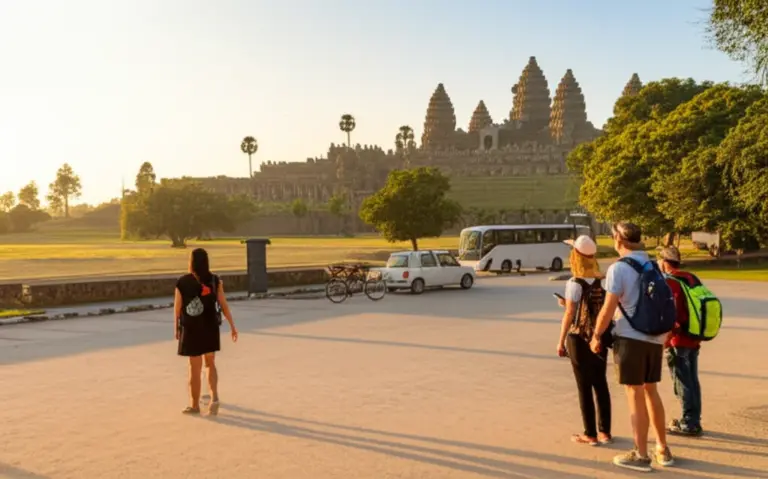
How to get there early and avoid crowds: transport options, parking, and guided vs self-guided itineraries
- How to get there early and avoid crowds: transport options, parking, and guided vs self-guided itineraries
- Why Avoiding Crowds in Thailand Matters
- Strategic Timing: The Golden Rule of Early Birds
- Mastering Transport Options to Beat the Rush
- Navigating Parking for a Smooth Start
- Guided vs. Self-Guided Itineraries: Which is Best for Crowd Avoidance?
- Pro Tips for an Uncrowded Thailand Experience
- คำถามที่พบบ่อย (FAQ)
- What is the best time of day to visit popular attractions in Thailand to avoid crowds?
- Which months are best to visit Thailand to avoid peak tourist season?
- Is it better to use public transport or private taxis/ride-sharing for early morning travel in Thai cities?
- What are the parking options at major tourist sites in Bangkok?
- Conclusion
Thailand, the ‘Land of Smiles,’ beckons millions with its vibrant culture, stunning landscapes, and delectable cuisine. However, its immense popularity often means navigating bustling attractions and crowded spaces. For many travelers, the dream Thai vacation involves serene temples, tranquil beaches, and intimate cultural encounters, not jostling for a photo op. The key to achieving this idyllic experience, especially for those looking to avoid crowds Thailand tourism, lies in strategic planning. This comprehensive guide will equip you with the knowledge to outsmart the masses, covering everything from optimal timing and transport options to parking solutions and the pros and cons of guided versus self-guided itineraries.
Why Avoiding Crowds in Thailand Matters
While the energy of a lively market or a bustling festival is undeniable, constant crowds can detract from the beauty and spiritual essence of many Thai destinations. Imagine trying to capture the intricate details of a temple mural with hundreds of people in your shot, or finding peace on a pristine beach when it’s packed with sunbathers. Avoiding these peak times and locations allows for a more authentic, immersive, and often more peaceful travel experience. You’ll enjoy better photo opportunities, have more meaningful interactions, and feel less rushed and stressed. Popular spots like the Grand Palace in Bangkok, Maya Bay, and many temples can become overwhelmingly busy during peak hours and seasons [2].
Strategic Timing: The Golden Rule of Early Birds
The simplest yet most effective strategy to avoid crowds Thailand tourism is timing your visit. This applies both to the time of year and the time of day. Visiting popular attractions right at opening hours is consistently recommended. Early mornings offer cooler temperatures, fewer people, and a tranquil atmosphere perfect for sightseeing and photography [10, 13]. For instance, visiting Phuket’s Big Buddha at sunrise offers breathtaking views in tranquility [10, 13].
- Opening Hours Advantage: Be among the first to enter major sites. This often gives you a precious hour or two of relative calm before the main influx of tourists.
- Weekdays vs. Weekends: Weekdays are generally less crowded than weekends, especially at attractions popular with both international tourists and local visitors.
- Shoulder Seasons: While the peak season (November to February) offers ideal weather, it also brings the largest crowds and higher prices [3, 5, 7]. Consider traveling during the shoulder seasons (April-June and September-October). You might encounter hotter weather or occasional rain, but you’ll benefit from significantly fewer tourists and often better deals on flights and accommodation [4, 8, 18]. Even during the rainy season, showers are often short, followed by sunshine, and many regions remain beautiful [18].
Mastering Transport Options to Beat the Rush
Efficient transportation is crucial for early arrivals and navigating away from congested areas. Thailand offers a diverse range of transport, from modern city systems to more traditional local options [14, 16].
Public Transportation (City Focus)
- Bangkok: The BTS Skytrain and MRT subway are excellent for avoiding traffic and reaching key areas quickly and affordably. They operate from early morning (around 5:30 AM) until midnight [16, 20]. The Chao Phraya Express Boat is also a scenic and efficient way to access riverside attractions like Wat Arun and the Grand Palace, especially in the early hours before the main tourist boats start [14, 20].
- Chiang Mai: Songthaews (red pickup trucks acting as shared taxis) are prevalent, as are ride-sharing apps like Grab [14].
- Phuket: While less extensive public transport exists, taxis and Grab are widely available [10].
Private Transport & Ride-Sharing
For ultimate flexibility and early starts, private taxis or ride-sharing services like Grab are invaluable. You can book them for specific times, ensuring you reach your destination before the crowds. This option, while more expensive than public transport, offers convenience and comfort, especially when traveling with luggage or a group [6, 19]. Always ensure the meter is used or agree on a price beforehand with taxis [19, 33].
Scooters/Motorbikes (for the adventurous)
Renting a scooter or motorbike offers unparalleled freedom to explore at your own pace and reach less accessible spots. However, this is only advisable for experienced riders due to traffic conditions and safety concerns. Always wear a helmet and ensure you have the appropriate international driving permit and insurance.
Pro Tip: For long-distance travel within Thailand, consider domestic flights for speed or overnight trains for a scenic and comfortable journey. Buses are generally the cheapest option but can be less comfortable and slower [16, 17, 19].
If you choose to drive, understanding parking options is essential. Parking in major Thai cities, especially Bangkok, can be challenging due to limited street parking and heavy traffic [24, 26].
Popular Tourist Sites
Many popular sites, particularly temples like Wat Phra Kaew (Grand Palace) and Wat Pho in Bangkok, have limited or no on-site parking. However, nearby paid parking facilities or public car parks are often available within a short walking distance [21]. Arriving very early increases your chances of securing a spot. For instance, the Royal Thai Navy Club or Tha Maharaj offer parking near Wat Phra Kaew and Wat Pho [21]. In some cases, it might be more practical to use a ride-sharing service or taxi for drop-off and pickup to avoid parking hassles altogether.
City Centers & Shopping Malls
Shopping malls and large office buildings in city centers usually offer multi-story parking garages, often for a fee. These are generally secure but can be expensive for extended periods [24]. Utilizing public transport to reach these areas and then walking or taking a short taxi ride is often a more efficient and stress-free approach.
Guided vs. Self-Guided Itineraries: Which is Best for Crowd Avoidance?
The choice between a guided tour and a self-guided adventure significantly impacts your ability to avoid crowds. Both have distinct advantages.
Guided Tours: The Early Access Advantage
Guided tours offer convenience, pre-planned itineraries, and often expert local guides who know the best times and less crowded routes to visit attractions [25]. Some tours even offer special early access or private experiences that allow you to bypass general queues. The bundled costs of a tour can also make budgeting simpler, covering accommodation, transport, and entry fees [25]. If you prefer a stress-free experience where all logistics are handled, a guided tour can be an excellent choice, though flexibility might be limited [25]. Consider private guided tours or small-group tours for a more personalized experience and better crowd management [13].
Self-Guided Adventures: Flexibility and Planning
A self-guided itinerary provides maximum flexibility, allowing you to set your own pace, deviate from popular routes, and explore off-the-beaten-path destinations [6, 25, 36]. This approach is ideal for travelers who enjoy extensive research and want full control over their schedule. You can leverage online resources, maps, and local apps to plan your days, targeting early morning visits or discovering hidden gems that larger tours might miss [6]. While it requires more effort in planning transport and logistics, it can lead to more authentic and unique experiences, helping you effectively avoid crowds Thailand tourism [6, 29].
Watch This: Insider Tips for Avoiding Crowds in Thailand
For more visual insights and practical advice on when to visit and how to avoid crowds, check out this helpful video:
Pro Tips for an Uncrowded Thailand Experience
- Research Opening Times Religiously: Double-check official websites for the latest opening hours, especially for temples and national parks, and aim to arrive 15-30 minutes before they open.
- Check Local Holidays & Festivals: Major Thai holidays like Songkran (Thai New Year) and Loy Krathong attract massive crowds. Plan around these if serenity is your goal [3, 9].
- Consider Lesser-Known Alternatives: Instead of the most famous beaches, seek out quieter ones like Nai Harn or Kamala in Phuket [10, 13]. Explore smaller temples or towns slightly off the main tourist trail.
- Book Accommodations Strategically: Stay near attractions you plan to visit early, reducing travel time and allowing for earlier starts.
- Use Online Ticketing: For attractions that offer it, pre-booking tickets online can save time queuing, allowing you to get in faster.
- Charter a Private Boat: Especially for island hopping, a private longtail boat allows you to visit popular spots before the tour groups arrive and discover secluded beaches [13, 22].
คำถามที่พบบ่อย (FAQ)
Conclusion
Experiencing the magic of Thailand doesn’t have to mean battling throngs of tourists. By strategically planning your visit, embracing early morning starts, utilizing smart transport and parking solutions, and choosing between guided or self-guided itineraries based on your preferences, you can significantly avoid crowds Thailand tourism and enjoy a more personal, peaceful, and profound journey. Whether it’s the serene temples of Chiang Mai, the tranquil beaches of Phuket, or the vibrant streets of Bangkok, a little foresight goes a long way in creating unforgettable memories. Happy travels!
References
- Escape the Crowds in Thailand: Here’s How – Tropical Warehouse
- Best Time to travel to Thailand: Month by month Guide – Royal Vacation
- The Best Time to Visit Thailand – A Month by Month Guide | The Working Traveller
- When is the best time to visit Thailand? Here’s your season-by-season guide
- Avoid the Crowds: My Secret Way to Experience Thailand – YouTube
- Best time to visit Thailand | Intrepid Travel EN
- Avoiding The Crowds In Thailand | WWITW
- Insider tips: Best Time to Visit Thailand! (Avoid Crowds + Save Money!) 🌦️ – YouTube
- Phuket Travel Tips: How to Escape the Crowds and Enjoy a Relaxed Vacation
- Thailand in 5 Days – Crowd Free Travel Guide! + Tips & Warnings! – YouTube
- The BETTER Way to Experience PARADISE without the Crowds – YouTube
- Thailand transport guide
- How to get around in Thailand – Lonely Planet
- Transport in Thailand: The Easy Guide To Getting Around Thailand – TravelBud
- Thailand trip for first-time travelers: The complete guide – Hanoi Voyages
- Transportation in Thailand – Ultimate Travel Guide [2025] – NOMADasaurus
- A Complete Guide To Bangkok Public Transportation & Getting Around – y Travel Blog
- Parking for these 9 popular temples in Bangkok | Articles | Motorist Thailand
- Bangkok Parking [2023 Fees & Easy Tips] – Prked
- From Street Parking to Paid Parking: Navigating Bangkok’s Parking Rules – Parking.pl
- Do You Need a Tour Guide in Thailand? – Collette Tours
- KRABI, THAILAND | How To Avoid The Crowds (Ultimate Guide) – YouTube
- Is parking convenient in Bangkok ? – Travel Guides | QEEQ.COM
- Guide or Solo : r/ThailandTourism – Reddit
- Are self-guided walking tours right for you? Pros, cons, and tips – YouTube
- Sunrise at Doi Suthep 2025: The Ultimate Guide to a Crowd-Free, Picture-Perfect Experience
- Best times and seasons to catch a serene Doi Suthep sunrise in 2025 (weather, festival dates, and peak tourist windows)
- Top spots and angles for unobstructed sunrise photos at Wat Phra That Doi Suthep + camera settings and composition tips