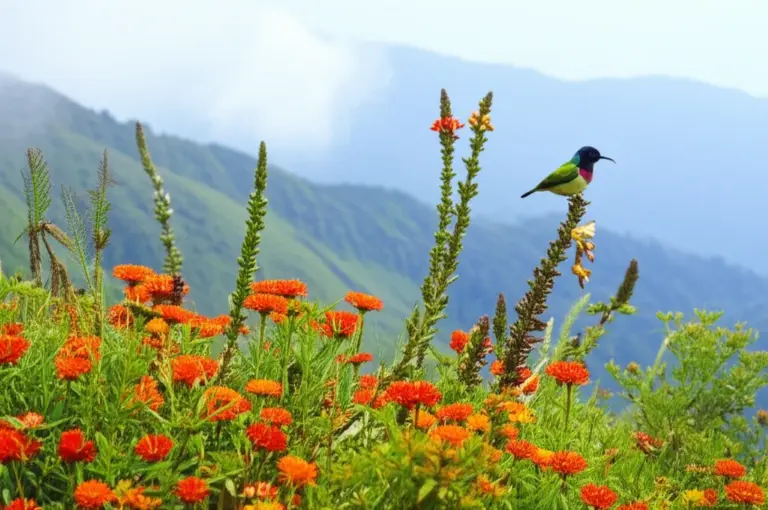
Weather, Flora & Fauna on Doi Inthanon — When to Go for Wildflowers, Birding and Cooler Temperatures
- Weather, Flora & Fauna on Doi Inthanon — When to Go for Wildflowers, Birding and Cooler Temperatures
- The Best Time to Visit: Weather and Seasonal Highlights
- Flora: A World of Unique Wildflowers and Cloud Forests
- Fauna: A Birding Paradise
- Planning Your Doi Inthanon Adventure
- คำถามที่พบบ่อย (FAQ)
- What is the best time for cooler temperatures on Doi Inthanon?
- When can I see the Himalayan Cherry Blossoms (Phaya Sua Krong) at Doi Inthanon?
- Is Doi Inthanon good for birdwatching, and when is the peak season?
- Do I need a guide for the nature trails like Kew Mae Pan?
- What is the highest point in Thailand?
- References
Welcome to the roof of Thailand. As a premier destination for Thailand tourism, Doi Inthanon National Park offers an escape from the tropical heat, presenting a unique ecosystem of mountains, cloud forests, and waterfalls. This guide provides an expert breakdown of the weather patterns, the spectacular flora (especially the wildflowers), and the rich fauna that make this park a must-visit. Knowing when to go is key to experiencing the best of the park, whether your goal is to chase the elusive migratory birds, witness the famous cherry blossoms, or simply enjoy the crisp, cool mountain air.
The Best Time to Visit: Weather and Seasonal Highlights
The climate on Doi Inthanon is significantly cooler than the rest of Northern Thailand due to its altitude, which reaches 2,565 meters above sea level. The park experiences three distinct seasons, each offering a unique experience for travelers.
The Cool Season (November to February): Peak for Cooler Temperatures and Frost
This is the most popular time to visit. Temperatures at the summit often range from 6°C to 12°C, and occasionally drop near freezing, resulting in the rare sight of frost (Mae Kha Ning) for Thai visitors. The skies are generally clear, providing breathtaking panoramic views. This season is ideal for all outdoor activities, including hiking the Kew Mae Pan Nature Trail (which typically reopens in November) and experiencing the lowest temperatures Thailand has to offer. This period also marks the beginning of the prime birding season.
The Hot Season (March to May): Wildflower Blooms and Tranquility
While the lowlands heat up, Doi Inthanon remains a relative sanctuary. While temperatures are warmer, the crowds thin out. The downside is the potential for the annual ‘smoky season’ from agricultural burning in the surrounding region, which can reduce visibility in March and April. However, this is a beautiful time to witness the blooming of certain Rhododendron species and other high-altitude wildflowers before the heavy rains begin.
The Rainy Season (June to October): Lush Landscapes and Full Waterfalls
The monsoon season transforms the park into its lushest, most vibrant state. Waterfalls like Wachirathan and Sirithan are at their most powerful, creating stunning spectacles. While trails can be slippery and wet, this is an excellent time for photography focused on rich green mosses, ferns, and the cloud forest atmosphere. Be aware that the Kew Mae Pan trail is often closed during this period (June to October) for forest recovery and safety.
Flora: A World of Unique Wildflowers and Cloud Forests
The altitudinal variation on Doi Inthanon creates a diverse range of habitats, from dry dipterocarp forest at the base to the unique montane evergreen forest, or ‘cloud forest,’ at the summit. This is where the most fascinating flora can be found.
Himalayan Cherry Blossoms: Thailand’s ‘Sakura’
For wildflower enthusiasts, the highlight is the blooming of the Himalayan Cherry Blossoms, locally known as Phaya Sua Krong. These beautiful pink blossoms typically appear from late December to early February, transforming areas of the park, particularly around the Khun Wang Royal Agricultural Research Centre, into scenes reminiscent of Japan’s cherry blossom season. The timing is crucial and varies slightly each year, so check local reports before your visit.
The Summit’s Unique Ecosystems
At the highest elevations, the Ang Ka Nature Trail takes you through a rare Sphagnum bog and a cloud forest draped in moss and epiphytes. This environment is home to the stunning, blood-red flowers of the Rhododendron delavayi, which bloom beautifully in the late cool season and early hot season (February to April). The cool, misty conditions support a vibrant, almost prehistoric-looking collection of ferns, orchids, and lichens.
Fauna: A Birding Paradise
Doi Inthanon is widely recognized as the premier birdwatching location in Thailand, boasting a checklist of over 380 species, including 266 resident birds. The park’s diverse altitudinal zones attract a high number of migratory species, making it a hotspot for global birders.
| Activity | Peak Season | Highlights |
|---|---|---|
| Birding (Migratory) | October – March | Himalayan Bluetail, Dark-sided Thrush, Ashy-throated Warbler, and various Sunbirds. |
| Wildflower Viewing | Late December – February | Himalayan Cherry Blossoms (Phaya Sua Krong). |
| Coolest Temperatures | November – February | Single-digit temperatures, potential for morning frost. |
| Lush Greenery/Waterfalls | June – October | Wachirathan and Sirithan Waterfalls at full flow. |
The peak birdwatching season runs from October through March, coinciding with the arrival of winter visitors from the north. However, the period from February to April is also highly regarded, as many resident species enter their breeding season, making them more vocal and easier to spot. Specific sought-after species include the Green-Tailed Sunbird, the White-Capped Redstart near the streams, and the Himalayan Shortwing in the higher elevations. While mammals like wild boars and gibbons are present, they are much shyer and less frequently seen than the park’s spectacular birdlife.
Planning Your Doi Inthanon Adventure
A trip to Doi Inthanon typically begins from Chiang Mai. Whether you choose a guided tour or self-drive, plan for an early start to catch the sunrise and the best birding activity. Remember to dress in layers, as the temperature difference between the base and the summit can be extreme—a warm jacket is essential, even if you leave Chiang Mai in a t-shirt. The park’s main attractions are easily accessible from the main road (Highway 1009).
Must-See Attractions Overview
Before you go, get a visual tour of the park’s main attractions, including the Ang Ka Nature Trail, the Royal Pagodas (Phra Mahathat Naphamethanidon and Phra Mahathat Naphaphon Bhumisiri), and the stunning waterfalls.
Park Location
Use this map to plan your route to the National Park, located southwest of Chiang Mai city.
คำถามที่พบบ่อย (FAQ)
References
- Doi Inthanon Birding Guide
- Doi Inthanon Travel Guide by Bangkok Airways
- Best Time to Visit Doi Inthanon National Park
- Doi Inthanon National Park Seasons and Trekking
- Doi Inthanon Day Trips 2025: Complete Guide to Trails, Twin Pagodas, Weather and Practical Tips
- Best Routes and Hiking Trails on Doi Inthanon — Difficulty, Duration, and What to Expect in 2025
- Visiting the Twin Pagodas (Phra Mahathat Naphamethanidon and Naphaphonphumisiri): History, Photo Spots and Sunrise Views