Visiting the Twin Pagodas (Phra Mahathat Naphamethanidon and Naphaphonphumisiri): History, Photo Spots and Sunrise Views
- Visiting the Twin Pagodas (Phra Mahathat Naphamethanidon and Naphaphonphumisiri): History, Photo Spots and Sunrise Views
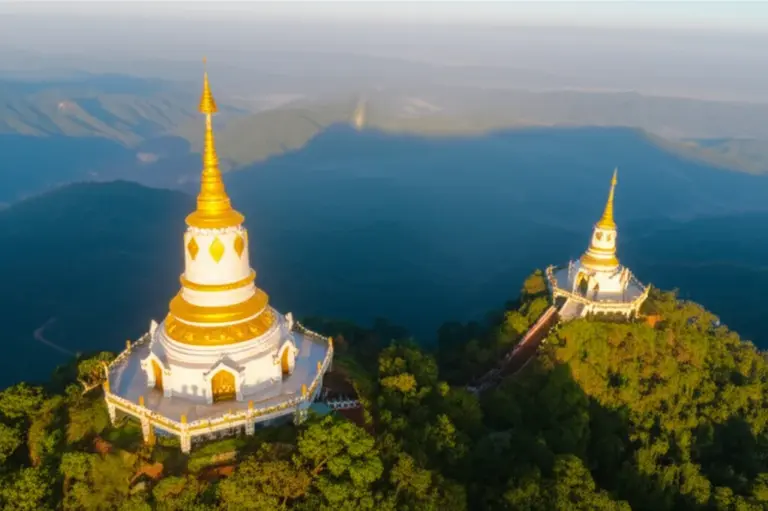
Perched dramatically near the summit of Doi Inthanon, Thailand’s highest peak, stand two magnificent royal stupas that are essential landmarks for any visitor interested in Thailand Tourism. Known collectively as the Visiting the Twin Pagodas, Phra Mahathat Naphamethanidon and Phra Mahathat Naphaphonphumisiri are more than just religious sites; they are monuments of profound reverence, architectural marvels, and arguably the best viewpoint in the entire Doi Inthanon National Park. This comprehensive guide will cover everything you need to know, from the powerful history behind their creation to securing the perfect photo of a high-altitude sunrise.
The Royal History Behind the Twin Pagodas
The story of these twin monuments is deeply intertwined with the modern history of the Thai Monarchy. They were commissioned by the Royal Thai Air Force to honor the 60th birthdays of Thailand’s beloved late King Bhumibol Adulyadej (Rama IX) and his consort, Queen Sirikit. Their location symbolizes the highest devotion to the royal family, placed on the roof of Thailand itself. The project was completed in stages, with the King’s Pagoda being finished first, followed by the Queen’s.
Phra Mahathat Naphamethanidon: The King’s Stupa
The King’s Pagoda, Phra Mahathat Naphamethanidon (meaning ‘The Great Holy Relics Pagoda of the Sky and the Earth’), was completed in 1989 to commemorate King Bhumibol’s 60th birthday. It is the taller of the two, constructed in a striking brown/bronze hue with a distinctive elongated bell shape. The structure embodies strength and the King’s steadfast leadership. Inside, visitors can find beautiful murals and a revered Buddha image, with a spiral ramp allowing easy access to the upper terrace for panoramic views.
Phra Mahathat Naphaphonphumisiri: The Queen’s Stupa
The Queen’s Pagoda, Phra Mahathat Naphaphonphumisiri (meaning ‘The Great Holy Relics Pagoda of the Strength of the Land’), was finished three years later in 1992 for Queen Sirikit’s 60th birthday. It features a softer, more feminine purple/lavender color and a graceful, multi-tiered design, often likened to a lotus flower. The interior is equally stunning, housing significant Buddhist relics and delicate, intricate artwork. The Queen’s Pagoda is surrounded by the most exquisitely manicured flower gardens, symbolizing her nurturing role and grace. The contrast between the two stupas—the King’s robust design and the Queen’s elegant form—offers a powerful visual representation of the complementary nature of the royal couple’s reign.
Planning Your Visit: Essential Travel Tips
A trip to the Twin Pagodas requires planning, as they are located high up in the Doi Inthanon National Park. The journey itself is an adventure, but the rewards are unmatched, especially the breathtaking views that define the experience of Visiting the Twin Pagodas.
Location and How to Get to Doi Inthanon
The pagodas are situated approximately 5 kilometers below the absolute summit of Doi Inthanon. The most common way to visit is by hiring a private car and driver from Chiang Mai city, which is about a two-hour drive to the park entrance. Alternatively, you can rent a scooter or car, but be prepared for steep, winding roads. The pagodas are well-signposted once inside the national park.
Here is the general location for planning your route:
Best Time for Sunrise Views
The sunrise from the pagodas is legendary. On clear mornings, you can witness the sun emerging over a vast ‘sea of fog’ that blankets the valleys below, a truly unforgettable spectacle. To catch this, you need to arrive at the pagoda parking lot well before dawn (around 5:30 AM). The best window for clear, stunning views is generally during the cool season (November to February).
| Season | Best For | Temperature Range |
|---|---|---|
| Cool Season (Nov – Feb) | Clear skies, Sea of Fog, Sunrise | 0°C – 12°C (Very Cold) |
| Hot Season (Mar – May) | Pleasant temperatures, fewer crowds | 10°C – 20°C (Mild) |
| Rainy Season (Jun – Oct) | Lush greenery, dramatic clouds, waterfalls | 12°C – 25°C (Cool/Wet) |
Entrance Fees and Operating Hours
Note that there are two separate fees. First, the **Doi Inthanon National Park Entrance Fee** (usually 300 THB for foreigners). Second, a separate **Pagoda Area Fee** (usually 50 THB) is collected at the parking area for the pagodas themselves. The Pagoda area is generally open from **6:00 AM to 5:00 PM**, though early entry for sunrise is usually permitted as the park itself opens earlier.
Must-Visit Photo Spots and Architectural Highlights
The entire complex is a photographer’s dream. The high altitude and the sheer beauty of the structures make for endless opportunities to capture memorable shots. The architectural details are a blend of traditional Lanna and modern Thai styles, all set against a backdrop of mountain mist and vibrant flora. The King’s Pagoda features a striking bronze exterior, while the Queen’s Pagoda is known for its graceful lavender hue, providing a perfect contrast in your compositions.
The Surrounding Royal Gardens
The area surrounding the Queen’s Pagoda is a series of meticulously maintained, multi-tiered royal gardens. These gardens are famous for their exotic, high-altitude flowers and ferns that thrive in the cool climate. Pathways wind through the terraces, offering different perspectives of the pagodas and the valley below. It is here that you can truly appreciate the care and detail that went into designing this royal tribute. Spend time simply wandering the paths; the tranquil atmosphere is a perfect respite from the heat of the lower regions of Thailand.
Capturing the Sunrise and Sea of Fog
For the best sunrise photos, position yourself on the upper terrace of the King’s Pagoda (Phra Mahathat Naphamethanidon). From here, the Queen’s Pagoda and the misty valleys frame the rising sun perfectly. Alternatively, the main viewing platform between the two pagodas offers a classic shot, capturing both monuments with the mountain panorama stretching out behind them. Remember to bring a tripod for low-light photography and warm layers, as the cold can be intense before the sun rises.
Practical Guide: What to Wear and Expect
Given the altitude of over 2,500 meters, the weather at the Twin Pagodas is significantly colder than Chiang Mai city. Visitors often underestimate the chill, which can drop to near-freezing in the cool season. Dress in layers, including a warm jacket, hat, and gloves, especially if you plan to visit for sunrise. The air is thin, so take your time ascending the staircases to the pagodas, or use the escalators provided (a welcome feature!). Respectful dress is also required, as these are sacred sites.
Conclusion
Visiting the Twin Pagodas is an experience that combines natural beauty, royal history, and spiritual reverence. Phra Mahathat Naphamethanidon and Phra Mahathat Naphaphonphumisiri stand as enduring symbols of the Thai people’s love for their monarchy and offer travelers an unforgettable view from the roof of Thailand. Whether you’re chasing the ‘sea of fog’ sunrise or simply admiring the intricate architecture, this destination is a crowning jewel of Chiang Mai tourism.
คำถามที่พบบ่อย (FAQ)
Q: Where are the Twin Pagodas located?
A: They are located in Doi Inthanon National Park, near the summit of Thailand’s highest mountain, in Chiang Mai Province. They are easily accessible via a short drive from the main summit area.
Q: What is the significance of Phra Mahathat Naphamethanidon and Naphaphonphumisiri?
A: The pagodas were built by the Royal Thai Air Force to commemorate the 60th birthdays of King Bhumibol Adulyadej and Queen Sirikit, respectively. They serve as a lasting tribute to the beloved royal couple.
Q: Is there an entrance fee to the pagodas?
A: Yes, there is a separate entrance fee (typically 50 THB for foreigners) to the immediate pagoda area, which is collected in addition to the main Doi Inthanon National Park entrance fee.
Q: Are there escalators to reach the pagodas?
A: Yes, due to the high altitude and the steep incline, there are covered escalators available to transport visitors from the parking area up to the base of both the King’s and Queen’s Pagodas, making them accessible to most visitors.
References
- Doi Inthanon National Park Official Website (Placeholder)
- Royal Thai Air Force Historical Archive (Placeholder)
- Chiang Mai Tourism Authority Information (Placeholder)