Route Planning, Maps, Elevation, and Seasonal Conditions — How to Choose Trails by Distance, Skill Level, and Weather
- Route Planning, Maps, Elevation, and Seasonal Conditions — How to Choose Trails by Distance, Skill Level, and Weather
Thailand offers a breathtaking array of trekking experiences, from the mist-shrouded peaks of the North to the lush, ancient rainforests of the South. However, successful and safe adventuring requires meticulous preparation. Mastering the art of Choosing Thailand Trails means understanding how route planning, elevation maps, and the country’s distinct seasonal conditions interact. This comprehensive guide will equip tourists with the expertise needed to select the perfect trail tailored to their distance goals, skill level, and the unpredictable tropical weather.
Understanding the Thai Landscape and Climate
Unlike temperate climates, Thailand’s tropical environment presents unique challenges that heavily influence trail selection. The intensity of the sun, high humidity, and extreme seasonal variations must be factored into every planning decision.
The Three Seasons: Hot, Wet, and Cool
- Hot Season (March – May): Temperatures soar, making low-elevation hikes extremely taxing. Focus on early morning starts or high-altitude trails like those in Chiang Mai or Chiang Rai.
- Wet/Monsoon Season (June – October): Trails become muddy, slippery, and often impassable. Water crossings are dangerous, and leeches are prevalent. Many national parks, especially those prone to flooding, close during this period.
- Cool Season (November – February): The ideal time for trekking. Lower humidity and cooler temperatures (especially in the North) make long distances manageable. This is when the most popular trails, such as Phu Kradueng, see peak traffic.
Geographical Diversity: North Mountains vs. Southern Jungles
The terrain wildly varies. Northern trails (e.g., Doi Luang Chiang Dao) involve significant elevation gain and cooler temperatures. Southern trails (e.g., Khao Sok National Park) are often flatter but feature dense, humid jungle, demanding higher stamina due to the oppressive heat and thicker air.
Essential Route Planning Tools and Techniques
Modern route planning relies on a combination of digital precision and local knowledge. Never rely solely on signage, which can be sparse or misleading in remote Thai parks.
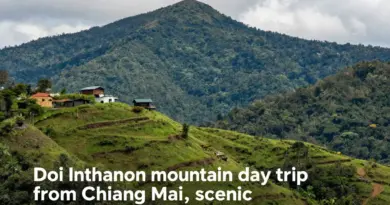
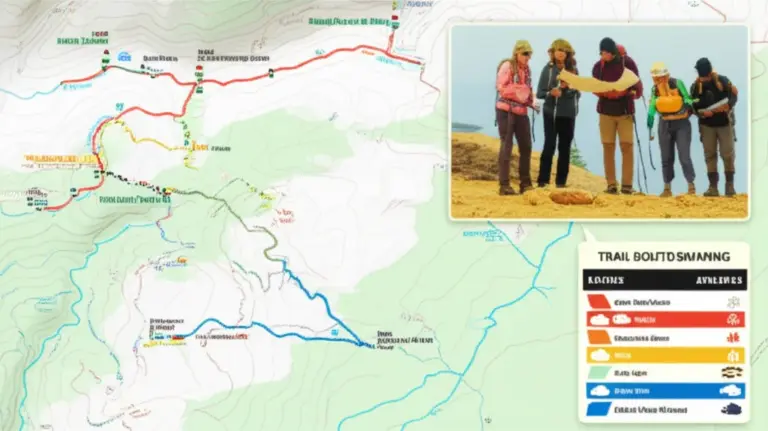
Use offline mapping applications like Gaia GPS or AllTrails, which allow you to download topographic maps before losing signal. Pay close attention to the scale and contour lines on these maps. For a visual reference of the terrain you are planning to tackle, consider the high-altitude challenges of Northern Thailand:
Interpreting Topographic Maps and Elevation Gain
Elevation gain is the single most important factor determining a trail’s difficulty, especially in Thailand’s humid climate. A 500-meter climb in the cool season feels like a 1,000-meter climb in high humidity. Use the map’s contour lines to calculate the total ascent. A steep trail will have contour lines clustered closely together, indicating a rapid, strenuous climb.
| Elevation Gain per km | Difficulty Rating | Energy Requirement |
|---|---|---|
| < 50 meters | Easy (Family-friendly) | Low |
| 50 – 150 meters | Moderate (Day Hike) | Medium |
| > 150 meters | Challenging (Requires fitness) | High/Strenuous |
Matching Trails to Skill Level and Distance
Assessing Physical Fitness and Experience
Be honest about your capabilities. If you are new to trekking, start with well-maintained, shorter trails like those found around waterfalls in popular national parks. Experienced trekkers can tackle multi-day routes requiring permits and guides, such as the challenging routes through Khao Yai or Phu Chi Fa.
Distance vs. Duration: The Thailand Factor
In the tropics, distance is not the only metric. High humidity and difficult terrain (roots, mud, river crossings) drastically reduce hiking speed. A 10 km hike that takes three hours in a temperate climate might take five to six hours in a Thai jungle. Always budget extra time for hydration stops and unexpected obstacles.
Safety First: Seasonal Conditions and Permits
Safety in Thai national parks often hinges on adherence to local regulations and respecting the power of the natural environment. Always check the official website of the National Park Department or call ahead, especially during the shoulder seasons, to confirm trail status.
Monsoon Risks and Mitigation
During the wet season, trails can turn into raging streams instantly. Never attempt to cross fast-moving water. Mitigation includes wearing appropriate waterproof gear, carrying ample leech repellent, and accepting that some trails are simply too dangerous to attempt. Furthermore, flash floods are a serious concern in narrow canyons or near steep rivers.
Dry Season Concerns
While cooler and drier, the cool and hot seasons bring the risk of dehydration and heat exhaustion. Carry significantly more water than you think you need (at least 3 liters for a moderate day hike). Additionally, controlled burns or wildfires can sometimes affect air quality and visibility in the North around March and April.
Choosing Thailand Trails: A Practical Checklist
To ensure you are Choosing Thailand Trails safely and effectively, use this quick planning checklist:
- Check the Season: Is the park open? Is it the peak monsoon or hot season? Adjust expectations accordingly.
- Analyze Elevation: Use topographic maps to estimate total ascent and descent. Prioritize trails with less aggressive gain if hiking during peak heat.
- Determine Duration: Calculate expected hiking time by assuming a slower pace (e.g., 2 km/hour) due to heat and humidity.
- Confirm Permits/Guides: Many challenging trails, particularly those in protected areas like Doi Luang Chiang Dao, require mandatory local guides and specific permits.
- Hydration Plan: Locate potential water sources on the map or plan to carry all necessary water.
คำถามที่พบบ่อย (FAQ)
These frequently asked questions address common concerns for tourists planning their trekking routes in Thailand.
Q1: Which is the best region in Thailand for beginner trekkers?
A: The best region for beginners is usually around Chiang Mai or Krabi. Look for short, well-marked nature trails within the main tourist areas. Doi Suthep-Pui National Park near Chiang Mai offers accessible trails with clear signage and moderate difficulty. Always start with trails rated ‘Easy’ or ‘Moderate.’
Q2: Do I need a professional guide for all trails in Thai National Parks?
A: No, not for all trails. Many short, popular day-hike trails are self-guided. However, multi-day treks, remote routes, or trails requiring camping (like Phu Kradueng or certain sections of Khao Yai) often mandate hiring a registered local guide for safety and adherence to park regulations. Always check the specific park rules before arrival.
Q3: How does the monsoon season specifically affect elevation gain planning?
A: During the monsoon, the ground is saturated, making steep climbs much more hazardous due to slippery mud and loose rock. Even a moderate elevation gain becomes significantly more physically taxing and dangerous. Planners should reduce their planned elevation gain by at least 30-40% during this season to account for slower speed and increased risk of slips and falls.
References
For official park closures and regulations, please consult the Department of National Parks, Wildlife and Plant Conservation (DNP) website.
- Mountain Biking and E‑Bike Routes Near Chiang Mai 2025: Ultimate Guide to Trails, Rentals, Difficulty Levels, and Safety Tips
- Best Beginner to Advanced Mountain Bike and E‑Bike Trails Around Chiang Mai (Doi Suthep, Mae Rim, Samoeng, Pai day trips)
- Where to Rent and Ride: Top Chiang Mai Bike Shops, E‑Bike Models, Guided Tours, and Cost Comparisons 2025