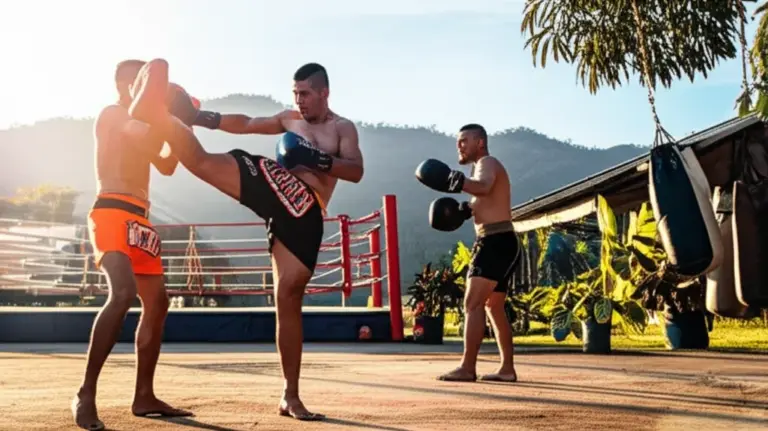
Muay Thai Training Camps in Chiang Mai 2025: Ultimate Guide to Choosing, Preparing for, and Getting the Most Out of Your Camp Experience
- Muay Thai Training Camps in Chiang Mai 2025: Ultimate Guide to Choosing, Preparing for, and Getting the Most Out of Your Camp Experience
Chiang Mai, the cultural heart of Northern Thailand, has rapidly become one of the world’s premier destinations for martial arts enthusiasts. While Bangkok offers the gritty, competitive edge of the sport, Chiang Mai provides a unique blend of world-class training and a peaceful, scenic environment perfect for recovery and tourism. If you are planning a transformative fitness holiday, seeking out the best Muay Thai Training Camps in Chiang Mai 2025 is your first step toward an unforgettable adventure. This comprehensive guide will walk you through everything you need to know, from selecting the right gym to mastering your training schedule and ensuring you get the absolute most out of your time in the Land of Smiles.
Why Choose Chiang Mai for Your Muay Thai Journey?
Chiang Mai offers a distinct flavor of Thailand that appeals strongly to the international tourist looking for more than just sun and sand. The city provides a lower cost of living, cleaner air (outside of the burning season), and a deeply spiritual atmosphere, making it ideal for focused training and mental clarity.
The Northern Charm vs. Bangkok Hustle
While Bangkok boasts legendary venues and the highest concentration of professional fighters, the environment can be overwhelming. Chiang Mai’s camps often prioritize a holistic approach, blending intense physical conditioning with cultural immersion and a supportive community atmosphere. This makes the Muay Thai Training Camps in Chiang Mai 2025 particularly attractive to beginners, fitness enthusiasts, and digital nomads seeking balance.
Choosing the Right Camp for 2025
The quality and style of training can vary significantly between gyms. Your choice should align with your fitness goals, budget, and desired lifestyle during your stay.
Beginner-Friendly vs. Fighter-Focused
- Beginner-Friendly Camps: These gyms emphasize technique, fitness, and conditioning. They often run smaller class sizes and offer focused instruction on basic stances, kicks, and clinching. Look for camps that explicitly state they welcome all levels.
- Fighter-Focused Camps: These are high-intensity environments where the focus is on sparring, drilling, and preparing athletes for competition. While beginners are sometimes welcome, the pace and rigor may lead to faster burnout if you are not prepared.
Location and Accommodation
Do you want to be close to the bustling Old City, or do you prefer the tranquility of the surrounding countryside? City-based camps offer easy access to restaurants, markets, and nightlife, but rural camps often provide on-site accommodation and a more immersive, distraction-free environment for training. Use the map below to visualize the Chiang Mai region:
Preparing for Your Muay Thai Camp Experience
Preparation is key to maximizing your training time and minimizing surprises.
- Visas: Ensure you have the correct visa for your intended stay length, especially if training for more than 30 days.
- Insurance: Purchase comprehensive travel and sports insurance. Injuries, though rare, can happen.
- Hydration/Electrolytes: Thailand is hot. Start increasing your water intake weeks before arrival.
Essential Packing List (Gear, Medical)
While you can buy gear in Chiang Mai, bringing your own ensures comfort and fit from day one. You will need:
| Item | Why You Need It |
|---|---|
| Gloves (14-16 oz) | For pad work and light sparring. |
| Shin Guards | Crucial for sparring safety (often required). |
| Mouthguard | Non-negotiable safety equipment. |
| First Aid/Tape | For wrapping hands and minor injury management. |
| Electrolyte Powder | Replenishing salts lost during intense tropical training. |
Physical and Mental Preparation
Muay Thai training is demanding. Spend the weeks before your trip focusing on cardiovascular fitness (running) and core strength. Mentally, be prepared for muscle soreness and fatigue. Embrace the ‘Sabaai Sabaai’ (relaxed) attitude of Thailand, but maintain discipline in your training.
What to Expect: A Typical Training Day
Most Muay Thai Training Camps in Chiang Mai 2025 follow a similar structure, typically offering two sessions per day, six days a week. It is an intense schedule designed for rapid improvement.
Morning Session (7:00 AM – 9:30 AM)
- Roadwork (Running)
- Skipping & Stretching
- Shadow Boxing & Technical Drills
- Bag Work and Pad Work with Trainers
- Conditioning (Push-ups, sit-ups)
Afternoon Session (3:00 PM – 5:30 PM)
- Warm-up & Flexibility
- Group Technique and Clinching
- Pad Work & Sparring (optional)
- Intense Conditioning & Cool Down
The time between sessions is crucial for recovery, eating, sightseeing, or perhaps a traditional Thai massage. Don’t underestimate the heat and humidity—it adds another layer of difficulty to every session.
Top Chiang Mai Muay Thai Camps to Consider
While many excellent gyms exist, certain camps have built international reputations for quality and hospitality:
Consider camps like Lanna Muay Thai (known for its traditional, intensive focus), Team Quest Thailand (blending MMA and Muay Thai), or Santai Muay Thai (popular for its dedicated beginner programs and rural setting outside the city center).
Maximizing Your Stay and Recovery
Training hard is only half the battle; recovery is where growth happens. Utilize the fantastic resources Chiang Mai offers:
-
Nutrition Focus
Eat clean Thai food. Rice, grilled chicken, and fresh fruits are cheap and plentiful. Avoid heavy, oily street food right before training.
-
Hydration and Sleep
Aim for 8-10 hours of sleep and consistent water intake. The tropical climate accelerates dehydration.
-
Thai Massage
Regular traditional Thai massages are invaluable for working out knots and speeding up muscle repair.
Embarking on a training trip to the Muay Thai Training Camps in Chiang Mai 2025 is more than just a fitness goal—it is a cultural adventure. By planning ahead, choosing the right camp for your level, and committing fully to the experience, you will leave Northern Thailand fitter, stronger, and with a profound appreciation for the art of eight limbs.
คำถามที่พบบ่อย (FAQ)
References
- Tourism Authority of Thailand (TAT) Official Website
- Muay Thai Gym Reviews and Listings
- Chiang Mai Travel Guide
- Top Chiang Mai Muay Thai Camps Compared: Best Gyms, Prices, Training Styles, and Reviews for 2025
- How to Choose the Right Muay Thai Camp in Chiang Mai: Skill Levels, Program Lengths, Accommodation, and Budget Considerations
- What to Expect Daily at a Chiang Mai Muay Thai Camp: Typical Training Schedules, Nutrition, Injury Prevention, and Equipment Checklist