Northern Tasting Menus 2025: Modern Lanna Cuisine — Where Tradition Meets Avant-Garde in Northern Thailand
Northern Thailand, historically the seat of the Lanna Kingdom, has always boasted a distinctive and complex culinary heritage. In 2025, this tradition is not just preserved—it’s being radically redefined. The global culinary spotlight is fixed firmly on the region as chefs embrace Modern Lanna Cuisine, transforming age-old recipes into sophisticated, multi-course tasting experiences. This movement represents a thrilling dialogue between ancestral techniques and avant-garde presentation, offering travelers an unparalleled gastronomic journey that goes far beyond street food stalls.
The Renaissance of Lanna Gastronomy
Lanna cuisine is traditionally characterized by its earthy flavors, reliance on jungle herbs, and the distinct absence of coconut milk, which is prevalent in central and southern Thai dishes. Staples include sticky rice, various chili dips (Nam Prik), and fermented ingredients. The modern interpretation respects these roots but introduces precision, plating, and global influences, making Modern Lanna Cuisine a key differentiator for the region’s tourism sector.
Core Elements of Northern Thai Flavor Profiles
The complexity of Lanna flavors stems from its geography. The mountainous terrain and proximity to neighboring countries (Myanmar and Laos) introduce unique ingredients. Chefs today are meticulously sourcing native herbs like Pak Chi Farang (sawtooth coriander), Makhwaen (a local Sichuan pepper relative), and indigenous mushrooms. The emphasis is on terroir—showcasing the specific microclimate and soil of Northern Thailand in every bite.
Essential Ingredients
- Fermented Soybeans (Tua Nao): Used as a natural umami booster, replacing traditional fish sauce in many dishes.
- Local Pork and River Fish: Often smoked or grilled, providing rich, rustic protein bases.
- Jungle Herbs: A vast array of bitter, pungent, and aromatic leaves providing deep complexity.
Techniques Applied
- Traditional: Charcoal grilling, steaming in banana leaves (Ho Mok), and mortar-and-pestle preparation.
- Modern: Sous vide, spherification, clarification, and use of liquid nitrogen for texture manipulation.
Northern Tasting Menus 2025: A Guide to the Best Experiences
The rise of the tasting menu format has given chefs the platform to execute complex narratives. Diners are no longer just eating; they are participating in a curated story of the region’s history and future. In 2025, Chiang Mai remains the heart of this movement, though innovative spots are emerging in Chiang Rai and Lampang.
The Avant-Garde Experience: Deconstructed Classics
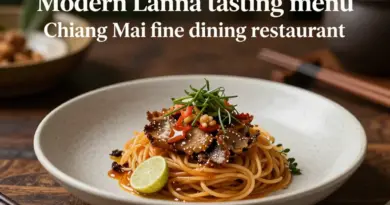
High-end establishments are taking classic Lanna dishes and deconstructing them. Imagine Khao Soi (curry noodle soup) reimagined as a delicate foam or a savory ice cream, or Sai Oua (Northern Thai sausage) presented as an elegant terrine. These menus often feature 8 to 12 courses, paired expertly with natural wines or locally distilled spirits, offering a truly global fine-dining experience rooted firmly in Thai identity.
Visualizing the Culinary Shift
To fully appreciate the dedication and artistry involved, watch how chefs are interpreting Lanna food history through modern techniques:
Sustainable & Farm-to-Table Approaches
A defining characteristic of the 2025 scene is the commitment to sustainability. Many top restaurants now operate their own organic farms or partner exclusively with local hill tribe farmers. The tasting menu becomes a seasonal diary, reflecting exactly what was harvested that morning. This farm-to-table integrity not only ensures superior flavor but also supports the local agricultural economy, adding a layer of ethical consumption to the gourmet experience.
| Signature Lanna Dish | Modern Interpretation | Key Innovation |
|---|---|---|
| Nam Prik Ong (Pork Chili Dip) | Pork Rillette with Tomato Gelee | Molecular gastronomy texture |
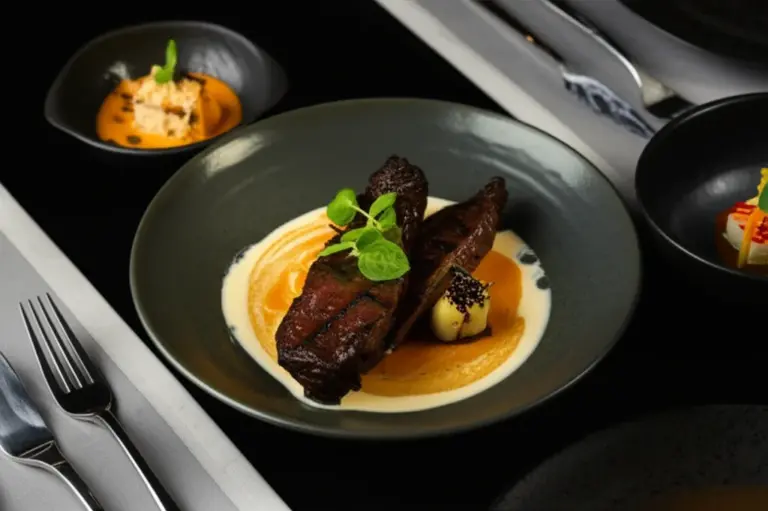
| Gaeng Hung Lay (Burmese-style Pork Curry) | Braised Kurobuta Pork Belly with Spice Reduction | High-quality, specific protein sourcing |
| Khao Soi | Curry Consommé with Crispy Noodle Nest | Clarified broth technique |
Why Modern Lanna Cuisine is a Global Culinary Trend
The global appeal of Modern Lanna Cuisine lies in its authenticity mixed with novelty. Unlike fusion cuisine that merely blends disparate elements, this movement is deeply respectful of its source material, presenting traditional flavors in a way that is immediately recognizable yet surprisingly new to international diners. This thoughtful approach has cemented Northern Thailand’s position on the map not just as a destination for historical temples and natural beauty, but as a serious contender in the world of gourmet dining.
For travelers planning their 2025 itinerary, securing reservations for these exclusive tasting menus should be a top priority. They offer more than just a meal; they provide a profound cultural immersion, demonstrating how heritage can inspire cutting-edge innovation. The meticulous preparation, the detailed storytelling by the chefs, and the wine pairings elevate the dining experience into a performance art. The journey through Northern Thailand is incomplete without experiencing this avant-garde expression of its soul.
คำถามที่พบบ่อย (FAQ)
References
- Tourism Authority of Thailand Official Site (For travel planning)
- Academic Journal on Lanna Food Evolution (Detailed history and ingredients)
- Fine Dining Asia Report on Northern Thai Culinary Trends 2025
- Why Modern Lanna Tasting Menus Are the Must-Experience Food Trend of 2025 (history, cultural roots, and why chefs are reinventing northern Thai flavors)
- What to Expect from a Northern Tasting Menu: Courses, Signature Ingredients, and Seasonal Techniques (course structures, key local ingredients like dok krachiao, gaeng hoh, preservation and fermentation)
- Top Restaurants and Chef-Driven Experiences Serving Modern Lanna Tasting Menus in 2025 (city and rural hotspots — Chiang Mai, Chiang Rai, mountain estates — reservation tips and price ranges)