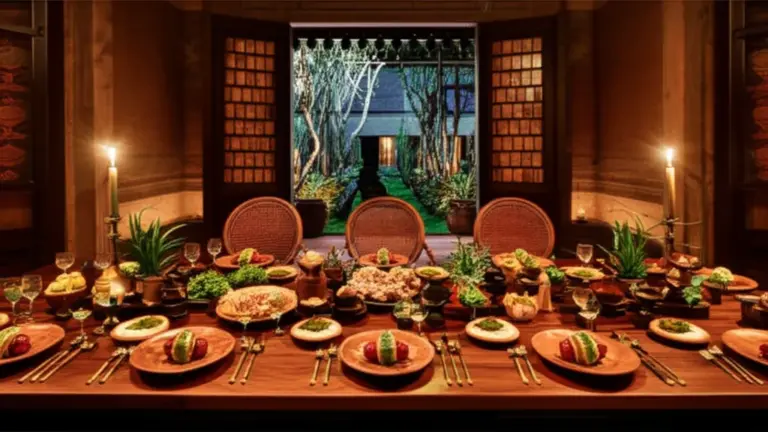
Why Modern Lanna Tasting Menus Are the Must-Experience Food Trend of 2025 (history, cultural roots, and why chefs are reinventing northern Thai flavors)
- Why Modern Lanna Tasting Menus Are the Must-Experience Food Trend of 2025 (history, cultural roots, and why chefs are reinventing northern Thai flavors)
The culinary landscape of Thailand is constantly evolving, yet few trends have captured the imagination of global gourmands and tourists quite like the emergence of **Modern Lanna Tasting Menus**. These menus are not just meals; they are curated journeys through the history and terroir of Northern Thailand. As we look toward 2025, this sophisticated approach to ancient cuisine is poised to become the definitive must-experience food trend for discerning travelers seeking authenticity and innovation. This article explores the deep cultural roots of Lanna cuisine and details why contemporary chefs are successfully reinventing these northern Thai flavors for the global fine-dining stage.
The Rise of the Modern Lanna Tasting Menus
For decades, Thai cuisine was largely defined by the flavors of the central plains and the south. Northern Thai food, or *Ahaan Nuea*, remained a beloved regional specialty, characterized by sticky rice, hearty pork dishes, and complex chili dips (*nam prik*). However, a new generation of highly skilled chefs, many trained internationally, is now applying haute cuisine techniques to these traditional recipes.
The result is the **Modern Lanna Tasting Menus**: multi-course experiences that treat humble ingredients with the precision and artistry typically reserved for Michelin-starred establishments. This movement elevates the dining experience from casual consumption to cultural exploration, appealing directly to the high-value tourism market seeking unique, narrative-driven experiences.
Deep Roots: Understanding Lanna Culinary Heritage
To appreciate the modern interpretation, one must first understand the Lanna Kingdom (circa 13th to 18th centuries). The cuisine developed in isolation, influenced heavily by its neighbors—Burma, Laos, and the mountainous terrain itself—rather than the sea or the royal courts of Siam (Central Thailand). This unique geography led to a distinct flavor profile.
Key Characteristics of Traditional Northern Thai Flavors
Lanna food distinguishes itself sharply from its southern counterparts. It traditionally avoids coconut milk, relying instead on dry spices, herbaceous aromatics, and the umami of fermented soybeans or fish. Key characteristics include:
- Herbs and Spices: Heavy use of turmeric, ginger, galangal, lemongrass, and the unique addition of *makwaen* (a local pepper that provides a complex citrusy-spicy note).
- Protein Focus: Historically, pork, river fish, and jungle fowl were staples. Dishes are often hearty and meaty.
- Sticky Rice (*Khao Niao*): The primary carbohydrate, eaten by hand and used to scoop up the various dips and curries.
- Chili Dips (*Nam Prik*): Essential to every meal, such as *Nam Prik Ong* (pork and tomato) and *Nam Prik Noom* (green chili).
From Street Food to Fine Dining: The Evolution
The transition of dishes like *Khao Soi* (curry noodle soup) and *Sai Oua* (Northern Thai sausage) from bustling street stalls to meticulously plated courses is central to the Lanna revival. Chefs are treating the ingredients with reverence, using techniques like sous vide for texture control and clarification for intense flavor extraction, while maintaining the soul of the original recipes.
Watch this video to understand the rich diversity of Northern Thai cuisine that forms the foundation of modern tasting menus:
The Reinvention: Why Chefs Are Embracing Northern Thai Flavors
The global food scene is leaning heavily toward provenance, authenticity, and sustainability. Lanna cuisine, with its strong regional identity and reliance on local agriculture, perfectly aligns with these modern dining values. Chefs are not just cooking; they are acting as cultural ambassadors, telling the story of the Northern Thai landscape through their plates.
Sustainability and Local Sourcing (Farm-to-Table movement)
Chiang Mai and the surrounding provinces are agricultural powerhouses, famous for their high-altitude produce, specialty coffees, and unique mountain herbs. The modern Lanna movement is inherently farm-to-table. Chefs collaborate directly with local farmers and indigenous communities, leading to hyper-seasonal menus that showcase ingredients rarely seen outside the region.
This commitment to local sourcing enhances the E-E-A-T (Experience, Expertise, Authoritativeness, Trustworthiness) of the restaurants, providing tourists with not only an exceptional meal but also a sense of contributing to the local economy and sustainable practices. The transparency about the origin of ingredients is a major draw for contemporary travelers.
Techniques and Presentation: A Global Dialogue
The most exciting aspect of **Modern Lanna Tasting Menus** is the fusion of ancient flavor profiles with global culinary techniques. For example, a chef might deconstruct *Laap* (spicy minced meat salad) into a precise tartare or utilize fermentation methods common in Japanese and European cuisine to intensify the unique sourness of Northern dishes.
| Traditional Lanna Dish | Modern Interpretation Example | Key Technique Applied |
|---|---|---|
| Khao Soi | Khao Soi Consommé with Foie Gras Dumpling | Clarification and Emulsification |
| Nam Prik Noom | Smoked Green Chili Caviar with Crispy Pork Skin | Molecular Gastronomy |
| Sai Oua | Deconstructed Sausage Terrine with Herb Air | Precision Curing and Texturization |
Why Modern Lanna Tasting Menus Are the Must-Experience Food Trend of 2025
The combination of historical authenticity, culinary innovation, and a strong focus on sustainability makes the **Modern Lanna Tasting Menus** the perfect culinary offering for the post-pandemic traveler. Tourists are increasingly prioritizing meaningful, immersive experiences over generic ones. These menus offer a tangible link to Thailand’s diverse heritage that goes beyond standard tourist itineraries. They are sophisticated, photogenic, and deeply rooted in place.
Furthermore, the rise of Chiang Mai as a digital nomad and wellness hub has bolstered the demand for high-quality, specialized dining. The limited seating and exclusive nature of many of these tasting menus create a sense of culinary pilgrimage, solidifying their status as a global trendsetter for 2025. Experiencing one of these menus is arguably the best way to understand the true flavor and heart of Northern Thailand today.
Planning Your Culinary Journey
For tourists planning to explore this trend, reservations are essential, often weeks in advance. Focus your search on high-end establishments in Chiang Mai’s Old City and Nimmanhaemin areas. Look for restaurants that explicitly state their commitment to local sourcing and traditional Lanna techniques. Many offer non-alcoholic pairings that highlight local teas, fermented fruit juices, and mountain coffee, complementing the complex spice profile of the food.
คำถามที่พบบ่อย (FAQ)
We answer common questions about the history and experience of Lanna cuisine.
What defines Lanna cuisine?
Lanna cuisine, originating from the ancient Northern Thai kingdom, is characterized by less coconut milk, more use of pork, sticky rice (*khao niao*), bitter flavors, and unique mountain herbs like *makwaen* (a local spice similar to Sichuan pepper). It is generally heartier and less sweet than Central Thai food.
Where can I experience the best Modern Lanna Tasting Menus?
Chiang Mai is the heart of this trend, with several high-end restaurants focusing on farm-to-table Northern Thai concepts. Look for establishments that emphasize culinary storytelling and ingredient provenance.
Is Lanna food spicy?
While many traditional dishes, such as *khao soi* and *nam prik ong*, have a moderate to high spice level, modern tasting menus often balance the heat to highlight the complex, layered flavors. Chefs frequently adjust spice levels to make the experience enjoyable and accessible to international palates, focusing on depth rather than raw heat.
Lanna menus prioritize ingredients native to the Northern mountains (such as specific mushrooms, river fish, and unique herbs) and often feature fermented elements and unique dipping sauces (*nam prik*). Central Thai menus, by contrast, frequently rely on coconut milk, seafood, and the balance of sweet, sour, salty, and spicy typical of Bangkok and coastal regions.
References
Tourism Authority of Thailand (TAT)
- Northern Tasting Menus 2025: Modern Lanna Cuisine — Where Tradition Meets Avant-Garde in Northern Thailand
- What to Expect from a Northern Tasting Menu: Courses, Signature Ingredients, and Seasonal Techniques (course structures, key local ingredients like dok krachiao, gaeng hoh, preservation and fermentation)
- Top Restaurants and Chef-Driven Experiences Serving Modern Lanna Tasting Menus in 2025 (city and rural hotspots — Chiang Mai, Chiang Rai, mountain estates — reservation tips and price ranges)