How to Choose the Right Muay Thai Camp in Chiang Mai: Skill Levels, Program Lengths, Accommodation, and Budget Considerations
- How to Choose the Right Muay Thai Camp in Chiang Mai: Skill Levels, Program Lengths, Accommodation, and Budget Considerations
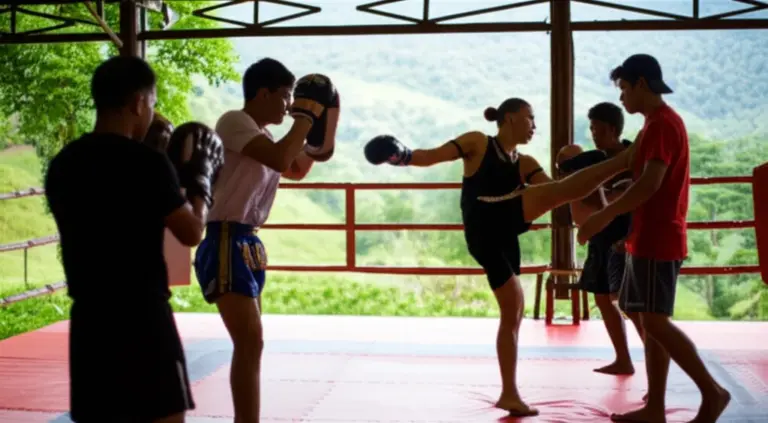
Chiang Mai, the cultural heart of Northern Thailand, offers a unique blend of spiritual tranquility and intense physical training, making it a world-class destination for Muay Thai enthusiasts. However, with dozens of camps ranging from rustic, family-run gyms to modern, resort-style facilities, the process of choosing the right Muay Thai camp in Chiang Mai can feel overwhelming. This comprehensive guide breaks down the critical factors—from matching your skill level to managing your budget—to ensure your training experience is rewarding, safe, and perfectly tailored to your goals.
Step 1: Assessing Your Skill Level and Goals
The quality of your experience hinges on matching your current abilities with the camp’s typical clientele and training structure. Don’t be shy about your current level—honesty ensures you get the instruction you need.
Beginners: Focus on Fundamentals and Technique
If you are new to the sport, look for camps that explicitly advertise dedicated beginner programs. These classes should prioritize safety, conditioning, and mastering the basic stances, punches, kicks, and clinches. Key indicators of a beginner-friendly camp include:
- High trainer-to-student ratio.
- Structured, foundational curriculum rather than intense sparring focus.
- Positive online reviews mentioning patience and clear instruction for newcomers.
Intermediate to Advanced: Seeking Sparring and Intensity
Experienced practitioners or those aiming to fight need a camp with high-level training partners and experienced current or former stadium fighters as trainers. Look for camps known for producing champions or those with a strong focus on daily sparring, clinching, and advanced pad work. Intensity and competitive readiness are the hallmarks here.
Step 2: Program Length and Training Intensity
How long you plan to stay dictates the type of package you should purchase and the level of physical commitment required.
Short-Term Retreats (1-2 Weeks)
Short stays are ideal for fitness holidays or getting a taste of the training life. Many camps offer intensive ‘boot camp’ style packages including food and accommodation. Be prepared for rapid muscle soreness and prioritize camps located closer to tourist amenities for easy rest and recovery.
Long-Term Immersion (1 Month+)
Long-term trainees benefit significantly from monthly or multi-month discounts. This duration allows for true skill development and deep cultural immersion. When staying long-term, it’s often more economical and comfortable to opt for off-site accommodation and focus on camps located slightly outside the city center, where rents are cheaper and the atmosphere is more focused on training than tourism.
Step 3: Accommodation and Lifestyle Considerations
The environment surrounding your training significantly impacts your recovery and overall happiness.
On-Site vs. Off-Site Housing
| Factor | On-Site Accommodation | Off-Site Accommodation |
|---|---|---|
| Convenience | High (roll out of bed and train) | Low (requires transportation) |
| Cost | Often bundled, sometimes cheaper for short stays | Flexible, better value for long stays |
| Privacy/Comfort | Basic, shared facilities common | Higher quality, private space |
| Immersion | Full immersion with trainers and fighters | Allows separation of training and relaxation |
Location: City Center vs. Rural Settings
Chiang Mai offers diverse settings. Camps near the Old City or Nimmanhaemin are convenient for nightlife, restaurants, and shopping, but training costs might be slightly higher. Camps located in the surrounding areas (like San Kamphaeng or Mae Rim) provide a quieter, more focused training environment, often with lower living costs.
Step 4: Budgeting Your Muay Thai Journey
Proper financial planning is crucial. Your primary expenses will be training fees, accommodation, food, and transport.
Understanding Training Fees
Training fees in Chiang Mai are highly competitive. A single session usually costs 300–500 THB (approx. $8–$14 USD). Significant savings are achieved by purchasing weekly or monthly packages. Monthly packages often range from 5,000–8,000 THB ($135–$220 USD) for unlimited training, making them the most cost-effective option for serious trainees. Always confirm what the package includes (e.g., access to open gym, use of equipment).
The Cost of Living in Chiang Mai
Chiang Mai is generally affordable. A budget breakdown might look like this (per month):
- Accommodation: 4,000–8,000 THB for a comfortable private room/apartment.
- Food: 6,000–10,000 THB (eating mostly local street food and markets).
- Transportation: 1,000–3,000 THB (renting a scooter or using Grab/songthaews).
Therefore, a serious trainee can expect total monthly expenses (excluding flights and visas) to fall between 16,000 THB and 29,000 THB ($430–$780 USD).
Tips for Vetting and Booking Your Camp
Before committing, perform thorough due diligence:
- Read Recent Reviews: Pay attention to reviews regarding hygiene, trainer consistency, and class organization.
- Contact Directly: Email the camp with specific questions about class sizes and whether they cater to your specific skill level (especially important when choosing the right Muay Thai camp in Chiang Mai for the first time).
- Ask About Trial Sessions: If you are already in Chiang Mai, many camps allow a single paid trial session before you purchase a package. This is the best way to gauge the atmosphere and instruction quality.
คำถามที่พบบ่อย (FAQ)
By methodically evaluating your needs against the camp’s offerings across skill level, program length, accommodation, and budget, you can move past the confusion and confidently select the ideal Muay Thai training experience in the beautiful city of Chiang Mai. Good luck with your training!
References
- Guide to Training Muay Thai in Northern Thailand
- Cost of Living Data for Chiang Mai
- Tips for Choosing Your First Muay Thai Camp
- Muay Thai Training Camps in Chiang Mai 2025: Ultimate Guide to Choosing, Preparing for, and Getting the Most Out of Your Camp Experience
- Top Chiang Mai Muay Thai Camps Compared: Best Gyms, Prices, Training Styles, and Reviews for 2025
- What to Expect Daily at a Chiang Mai Muay Thai Camp: Typical Training Schedules, Nutrition, Injury Prevention, and Equipment Checklist