What Is a Genuine Sak Yant in Chiang Mai? Temples, Ajarns, and Cultural Etiquette for 2025 Visitors
- What Is a Genuine Sak Yant in Chiang Mai? Temples, Ajarns, and Cultural Etiquette for 2025 Visitors
For many travelers visiting Northern Thailand, the desire to obtain a Sak Yant—the traditional sacred Thai tattoo—is a profound aspiration. Chiang Mai, rich in Lanna history and spirituality, is one of the best places to seek this ancient art. However, navigating the difference between a tourist tattoo and a truly spiritual experience is crucial. This comprehensive guide details everything 2025 visitors need to know about finding a Genuine Sak Yant in Chiang Mai, understanding the masters (Ajarns and Monks), and observing the necessary cultural etiquette.
Understanding the Sacred Art: What is a Sak Yant?
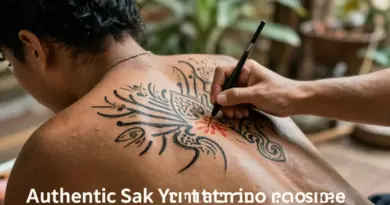
A Sak Yant (or Yantra tattoo) is far more than body art; it is a spiritual talisman etched into the skin. Originating centuries ago, these tattoos were traditionally given to soldiers for protection in battle. Each design incorporates Buddhist, Hindu, and animist beliefs, featuring geometric patterns, animal motifs, and Pali script (ancient Buddhist language).
The Spiritual Significance and Power
The power of a Sak Yant is activated through the blessing ceremony performed by the master (either a Buddhist Monk or an Ajarn). Different designs grant different powers, such as protection from harm (Kong Krapan), attraction (Maha Saneh), or good fortune (Metta Mahaniyom). The most common design is the Hah Taew (Five Lines), representing five different blessings for health and success. The location of the tattoo is also critical, with higher parts of the body being reserved for designs of greater spiritual significance, while lower parts are generally avoided.
Traditional Tools: The ‘Mai Sak’ (Bamboo Needle)
While modern tattoo shops often use machine needles, a genuine Sak Yant is traditionally applied using a long, sharpened metal rod called a Mai Sak (often mistakenly called a bamboo needle, though metal is now standard for hygiene). This manual method is meticulous and requires immense skill and focus from the master. Authentic masters prioritize hygiene, often using disposable or thoroughly sterilized needles for each client, ensuring the spiritual integrity is maintained alongside modern safety standards.
Finding a Genuine Sak Yant in Chiang Mai (Temples vs. Ajarns)
When searching for a Genuine Sak Yant in Chiang Mai, visitors typically have two options: seeking a tattoo from a Monk at a temple (Wat) or from a lay master (Ajarn). Both are considered authentic, but the experience and procedures differ significantly, particularly regarding cost and design selection.
Getting a Sak Yant from a Monk (Wat)
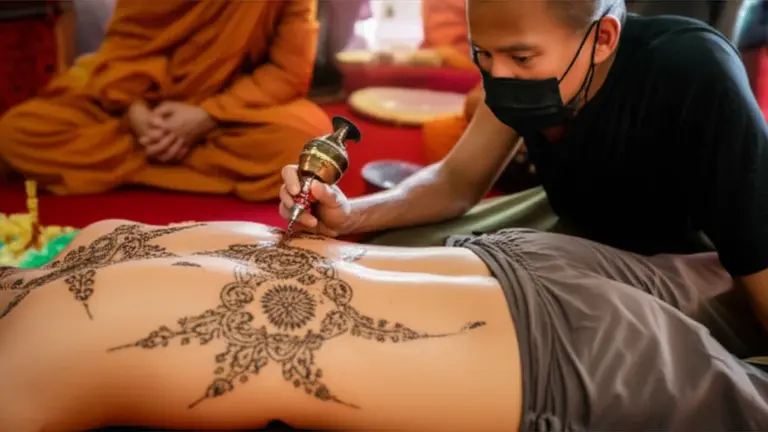
Receiving a Sak Yant from a Monk is often viewed as the most traditional and spiritually pure method. Monks do not charge a fixed fee; instead, visitors offer a *Wai Kru* (offering of flowers, incense, and candles) and a voluntary donation to the temple. The Monk usually chooses the design based on the individual’s aura or perceived needs, rather than the visitor selecting from a catalog. While not all temples practice Sak Yant, those that do, like certain Wats outside the Old City, offer a powerful and humbling experience.
| Type of Master | Location | Cost/Donation | Design Selection |
|---|---|---|---|
| Monk (Phra) | Wat (Temple) | Voluntary Donation (Wai Kru) | Usually chosen by the Monk |
| Ajarn (Lay Master) | Private Samnak (Studio) | Fixed Price (Varies) | Visitor often selects the design |
The Role of the Ajarn (Master)
Ajarns are highly respected lay practitioners who have studied the art under Monks or previous masters. They operate from private studios (Samnak) or homes. Ajarns often have more flexibility in terms of designs and are generally better equipped to communicate with non-Thai speakers, making them a popular choice for tourists. They maintain the spiritual integrity of the blessing while often adhering to strict modern hygiene practices. Researching the reputation and lineage of the Ajarn is vital to ensure you receive a powerful and authentic Yant.
Essential Cultural Etiquette for Visitors (2025 Guide)
Respecting Thai customs is paramount when seeking a Sak Yant. Your behavior demonstrates your seriousness and respect for the spiritual tradition, which is essential for receiving the maximum power from the blessing. Failing to follow these rules can be offensive to the master and the local community.
Dress Code and Behavior
Whether visiting a temple or an Ajarn’s studio, modest dress is required. Shoulders and knees must be covered (long pants or skirts are ideal). It is forbidden to wear shoes inside the sacred space where the ceremony takes place. When kneeling before the master, ensure your feet are tucked beneath you and pointed away from them. Never point your feet at a monk or sacred object, as the feet are considered the lowest and least sacred part of the body. Maintain a respectful, quiet demeanor throughout the process.
Offering the Wai Kru (Respecting the Master)
The Wai Kru ceremony is the formal act of showing respect, honoring the lineage of masters, and asking for the tattoo. This usually involves presenting the offering tray (which contains specific items like candles, incense, and flowers) and bowing three times in reverence. If receiving the Sak Yant from a Monk, remember the rule: Monks cannot touch women. If you are female, an assistant will often manage the transfer of materials or a cloth barrier will be used during the tattooing process to ensure adherence to monastic precepts.
The Rules (Sila) of the Sak Yant
The true power of the Sak Yant is maintained only if the recipient adheres to certain moral precepts (Sila). These rules are often a variation of the five basic Buddhist precepts but may include additional specific bans depending on the master and the Yant design. Common rules include:
- Do not kill living things (especially other humans).
- Do not steal.
- Do not lie or speak ill of others (especially parents or teachers).
- Do not commit adultery or disrespect another’s partner.
- Do not consume intoxicants to the point of losing control.
Failing to observe these rules, particularly those specified by your master, is believed to cause the protective power of the Yant to fade, rendering the talisman inactive.
Safety, Hygiene, and Ethical Considerations
Safety should never be compromised. While many temples and Ajarns in Chiang Mai uphold high standards, always observe the process. Look for masters who use a new or freshly sterilized needle for every person. If you are uncomfortable with the hygiene standards, politely excuse yourself. Choosing a reputable Ajarn who uses modern sterilization equipment alongside traditional techniques is often the safest route for international visitors seeking a Genuine Sak Yant in Chiang Mai. Remember, the ethical choice is to seek the spiritual experience, not just the aesthetic novelty.
In conclusion, receiving a Sak Yant in Chiang Mai is a deeply meaningful experience that connects you directly to ancient Thai spiritual culture. By understanding the roles of the Monks and Ajarns, respecting the cultural mandates, and prioritizing ethical and hygienic practices, your 2025 journey to obtain this sacred blessing will be both authentic and unforgettable. This commitment to genuine practice ensures the longevity and power of your sacred talisman.
คำถามที่พบบ่อย (FAQ)
How much does a Sak Yant typically cost in Chiang Mai?
The cost varies based on the master. Monks at temples usually accept donations (ranging from 500–2,000 THB for the offering and temple contribution). Ajarns, who operate private studios, charge fixed prices based on the size, complexity, and fame of the master, usually starting from 2,000 THB and going significantly higher for large, intricate designs.
Is a Sak Yant safe and hygienic?
When performed by reputable Ajarns or established temples known for Sak Yant, hygiene standards are generally high. Most modern masters use single-use needles or autoclave sterilization for traditional tools. Always observe the process and confirm that the equipment is clean before proceeding; never compromise on safety.
Can women receive a Sak Yant from a Monk?
Yes, women can receive a Sak Yant from a Monk, but strict cultural and monastic rules must be followed. Monks are forbidden from physically touching women. During the tattooing or blessing process, the Monk will typically use a piece of cloth as a barrier, or a male assistant will handle the necessary transfers or positioning.
What happens if I break the rules (Sila) of the Sak Yant?
It is traditionally believed that breaking the Sila (moral precepts) assigned by the master will cause the spiritual power and protective qualities of the Sak Yant to fade or become inactive. If you break a rule, you may need to return to the master for a re-blessing ceremony to restore the Yant’s power.
References
Tourism Authority of Thailand (TAT) Cultural Guidelines
Resources on Buddhist Practices and Monastic Rules
- Authentic Sak Yant and Aftercare Massage Spots 2025 Chiang Mai: Where to Get a Real Sak Yant, How to Prepare, and Best Aftercare Treatments
- How to Choose the Right Sak Yant Design and Ajarn: Meaning, Placement, and Safety Considerations
- Top Chiang Mai Sak Yant Locations and Trusted Aftercare Massage Spots (2025 Picks): Reviews, Prices, and How to Book