How to Choose the Right Sak Yant Design and Ajarn: Meaning, Placement, and Safety Considerations
For travelers exploring the rich culture of Thailand, the Sak Yant—a traditional, sacred Thai tattoo—represents far more than just body art. It is a spiritual blessing, a form of protection, and a deep connection to ancient Buddhist and animist beliefs. However, navigating the process of receiving a Sak Yant requires careful consideration of the meaning, placement, and, crucially, selecting the right master (Ajarn). Learning how to choose the right Sak Yant Design and Ajarn is the most important step in ensuring a meaningful and safe experience.
The Spiritual Significance of Sak Yant
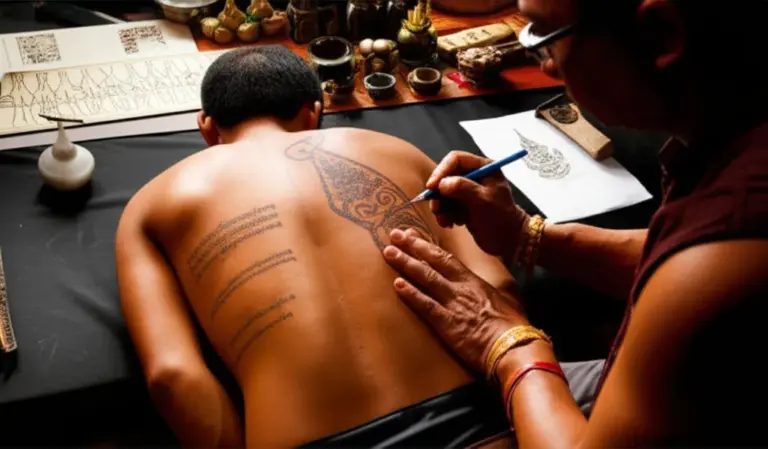
The term ‘Sak Yant’ literally translates to ‘to tap’ (Sak) and ‘sacred geometry’ (Yant). These designs are inscribed using traditional hand-poked methods (often a long metal rod called a *Khem Sak*) and are accompanied by a blessing and chanting (mantras) by the Ajarn. The power of the Yant is believed to be activated by the Ajarn’s spiritual power and adherence to the Buddhist precepts.
Understanding the Core Mantras and Blessings
Each Sak Yant is infused with Khata (Pali chants) that determine its protective qualities. These chants often invoke Buddhist deities or ancient spirits. The power received is conditional; the recipient must adhere to a set of rules (often five basic precepts, such as not killing, lying, or stealing) to keep the blessing active.
Popular Designs and Their Meanings
- Hah Taew (Five Lines): Perhaps the most famous, each line offers a specific blessing: protection, fortune, success, charm, and deflection of black magic.
- Gao Yord (Nine Spires): Represents the nine peaks of Mount Meru (the mythical center of the universe). This is a universal blessing, offering protection and general good fortune.
- Paed Tidt (Eight Directions): A circular design representing the eight directions of the universe. It offers protection while traveling and guards against harm from all sides.
- Suea (Tiger): Symbolizes power, strength, and fearlessness, often sought by those needing courage or authority.
Choosing Your Design: Intent and Placement
Unlike modern tattoos, you do not simply choose a design based on aesthetics. The Ajarn often selects the Yant that best suits your current life needs or spiritual path. Be prepared to discuss your intentions openly, but also trust the Ajarn’s spiritual guidance.
Matching Yant to Purpose (Protection, Charm, Wealth)
When seeking a Sak Yant Design and Ajarn, your purpose is paramount. If you seek professional advancement, an Ajarn might recommend a Yant related to success or authority. If you are struggling with personal relationships, a *Maha Saney* (charm/attraction) Yant might be suggested. Always communicate clearly, and remember that the most powerful Yants are those given freely by the master based on their assessment of your spirit.
The Importance of Placement (Upper vs. Lower Body)
Placement is strictly governed by spiritual hierarchy. The head is the most sacred part of the body, and designs placed here (or on the upper back/shoulders) are the most powerful. Any Yant depicting the Buddha or high-level deities must be placed above the waist. Tattoos below the waist are generally reserved for less spiritual designs or those related to grounding and stability, as the lower body is considered impure.
Finding the Right Ajarn (Master)
The power of the Sak Yant is intrinsically tied to the spiritual purity and lineage of the Ajarn. Choosing a reputable master is perhaps the single most critical decision.
Temple vs. Samnak (Private Studio)
| Type of Location | Pros | Cons |
|---|---|---|
| Temple (Wat) | Most traditional, often run by monks (Luang Por). Highly respected spiritual environment. Minimal or donation-based fee. | Can be crowded, less focus on the individual, hygiene standards vary widely. |
| Samnak (Private Studio) | Run by lay masters (Ajarn). Often better hygiene practices, more personalized consultation, and booking options. | Fees are significantly higher. Requires thorough vetting to ensure the master has a genuine lineage and spiritual authority, not just artistic skill. |
Vetting the Ajarn: Expertise and Ethics
A genuine Ajarn should be highly respected in their community. Look for recommendations from trusted sources, not just tourist agencies. A true master will focus on your spiritual well-being and the meaning of the Yant, not just the money. They should be willing to discuss the precepts you must follow. Be wary of anyone who rushes the process or uses modern tattoo machines, as this often compromises the ritualistic integrity of the Sak Yant.
Safety and Ethical Considerations
While the spiritual aspect is paramount, physical safety cannot be ignored. Hygiene is a major concern, particularly in high-volume tourist locations. Always prioritize health over convenience.
Hygiene and Sterilization Practices
- The Ajarn must use a brand-new, individually sealed needle (Khem Sak) for every single client.
- Ink should be poured into a disposable, single-use cup.
- The Ajarn should wear gloves, and the skin preparation should involve antiseptic cleaning.
- If you observe shared needles or reuse of materials, politely decline and leave immediately.
Respecting Thai Tradition and the Wai Kru Ceremony
The ritual typically begins with the offering of a *Wai Kru* (respect to the teacher) tribute, which usually includes flowers, incense, and a small monetary donation or fee. Dress respectfully (shoulders and knees covered) and remain quiet and humble throughout the process. When interacting with the Ajarn, avoid pointing your feet towards them or towards any sacred images. This demonstration of respect is essential for receiving the full blessing of the Sak Yant.
Conclusion
Receiving a Sak Yant is a profound cultural and spiritual experience that can enrich your travels in Thailand. By taking the time to research your Sak Yant Design and Ajarn, understanding the spiritual rules, and prioritizing health and respect, you ensure that your sacred tattoo carries genuine meaning and protection for years to come.
คำถามที่พบบ่อย (FAQ)
References
- Authentic Sak Yant and Aftercare Massage Spots 2025 Chiang Mai: Where to Get a Real Sak Yant, How to Prepare, and Best Aftercare Treatments
- What Is a Genuine Sak Yant in Chiang Mai? Temples, Ajarns, and Cultural Etiquette for 2025 Visitors
- Top Chiang Mai Sak Yant Locations and Trusted Aftercare Massage Spots (2025 Picks): Reviews, Prices, and How to Book