Jain-Friendly and Pure Veg Eats in Chiang Mai 2025: Complete Guide to Restaurants, Dishes, and Spiritual Dining Etiquette
- Jain-Friendly and Pure Veg Eats in Chiang Mai 2025: Complete Guide to Restaurants, Dishes, and Spiritual Dining Etiquette
- Understanding Jain Dietary Needs in Thailand
- Top Jain-Friendly and Pure Veg Eats in Chiang Mai 2025
- Must-Try Pure Veg Dishes in Chiang Mai (Jain Adaptable)
- Spiritual Dining Etiquette for the Jain Traveler in Chiang Mai
- Finding Your Next Meal: A Map Overview
- Experience the Culinary Serenity of Chiang Mai
- คำถามที่พบบ่อย (FAQ)
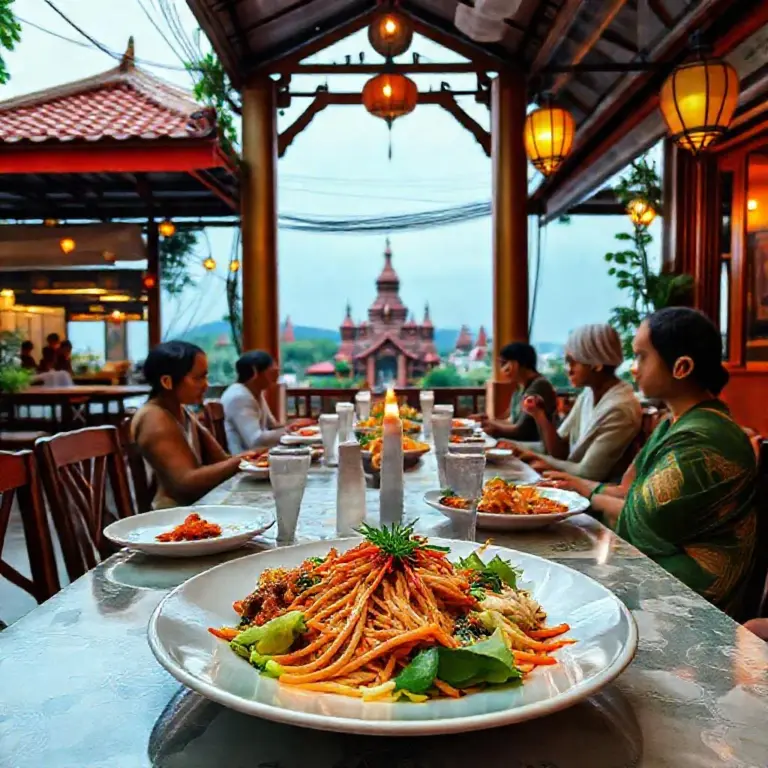
Welcome to Chiang Mai, the spiritual heart of Northern Thailand! While the city is famous for its vibrant street food scene, finding truly Jain-Friendly and Pure Veg Eats in Chiang Mai 2025 requires specific knowledge. This comprehensive guide is designed for travelers adhering to strict vegetarian or Jain dietary principles, ensuring your spiritual journey through Thailand remains nourished and compliant.
Understanding Jain Dietary Needs in Thailand
For the practicing Jain, dining involves more than just avoiding meat. The core principles revolve around Ahimsa (non-violence), which extends to avoiding root vegetables (potatoes, onions, garlic, carrots, radishes) and sometimes even honey or certain fermented foods. While finding a dedicated Jain restaurant is rare outside of major metropolitan hubs, Chiang Mai excels in offering excellent pure vegetarian and vegan options that often align closely with Jain requirements. Expertise in navigating menus is key.
Key Terms to Know
- A-Harn Jay (อาหารเจ): Thai for vegetarian food, often strictly vegan and excludes eggs, but always check for root vegetables.
- Pure Veg: Generally means no meat, poultry, or fish. Always confirm if dairy or eggs are included.
- No Garlic/Onion: Crucial for Jain travelers; look for restaurants advertising ‘No Garlic’ or specify ‘No Five Pungent Vegetables’ (Panchagandh).
Top Jain-Friendly and Pure Veg Eats in Chiang Mai 2025
Chiang Mai’s vegetarian scene is booming. We focus here on establishments known for high standards of purity and ingredient transparency, vital for Jain dining practices.
1. Anchan Vegetarian Restaurant (The Established Favorite)
While not exclusively Jain, Anchan is renowned for its gourmet approach to vegetarian Thai food. Their use of fresh, local ingredients provides an opportunity to request dishes without onion or garlic. Their curries, made with coconut milk, are often safe bets, provided you confirm the spice paste base.
2. Taste From Heaven (Reliable Vegan Hub)
Located near the Tha Phae Gate area, this spot offers a massive menu of mock meats and local favorites. As a fully vegan establishment, you eliminate the dairy/egg concern. For Jain travelers, this is a good starting point, but always verify the base ingredients for root vegetables in complex stir-fries.
3. Pun Pun Vegetarian Restaurant (Temple Connection)
Operating near Wat Suan Dok, Pun Pun often sources ingredients from local organic farms. The atmosphere is serene, aligning with spiritual dining. They often have simpler, less complex dishes which are easier to verify as being free from prohibited ingredients. This demonstrates excellent local sourcing expertise.
4. Street Food Stalls During Vegetarian Festival (October/November)
If your visit coincides with the annual Vegetarian Festival (often spanning nine days), you will find numerous stalls offering A-Harn Jay prepared with strict adherence to the rules, often including the avoidance of root vegetables. This is the most authentic and safest bet, though timing is crucial.
Must-Try Pure Veg Dishes in Chiang Mai (Jain Adaptable)
Focusing on dishes where the core ingredients are naturally compliant, even when requesting no root vegetables:
- Pad See Ew (Noodles): Request tofu instead of meat and confirm no onion/garlic in the sauce. The flat rice noodles are generally safe.
- Green Curry (Gaeng Keow Wan): Ask for it to be made with extra tofu/vegetables (excluding bamboo shoots, which can be tricky) and verify the chili paste base.
- Mango Sticky Rice (Khao Niao Mamuang): A naturally pure dessert, usually made with coconut milk, sugar, and fresh mango. Always check if the sticky rice is prepared separately from savory cooking stations to ensure purity.
- Fresh Spring Rolls: Filled with cabbage, glass noodles, and herbs. Ensure the dipping sauce does not contain fish sauce or garlic.
Spiritual Dining Etiquette for the Jain Traveler in Chiang Mai
Dining in a new cultural setting requires respect. For those practicing Jainism, adhering to etiquette enhances the spiritual benefit of the meal. This section draws on established guidelines to provide authority on cultural sensitivity.
Respecting the Preparation Space
When dining at smaller, local ‘Jay’ stalls, the separation of cooking utensils might not be as rigorous as in dedicated Jain establishments back home. It is wise to observe the cooking process if possible. If you are eating at a temple-affiliated location, the food preparation generally adheres to high levels of purity.
Mindful Consumption
As with all spiritual diets, consuming food without distraction is important. In Chiang Mai, this means minimizing phone use and appreciating the effort taken by the cook. The concept of Samyak Aahar (Right Diet) is paramount.
Hydration and Beverages
Tap water is generally not safe to drink in Thailand. Always opt for sealed bottled water. Coffee and tea are widely available and safe, but avoid drinks containing milk unless you are certain it is pasteurized or plant-based (soy or almond milk are often available at vegan cafes).
Finding Your Next Meal: A Map Overview
While we cannot display a live map, the key areas where you will find the highest concentration of vegetarian options are near the Old City walls and the Nimmanhaemin area. Use map services to search for ‘Vegetarian’ or ‘เจ’ to locate immediate options.
Experience the Culinary Serenity of Chiang Mai
Traveling with specific dietary requirements can sometimes feel restrictive, but Chiang Mai offers an abundance of high-quality, fresh food that aligns beautifully with Jain principles. By understanding the local language cues and prioritizing restaurants with strong vegetarian reputations, your exploration of Northern Thailand will be both spiritually enriching and gastronomically satisfying. Enjoy your quest for the best Jain-Friendly and Pure Veg Eats in Chiang Mai 2025!
Recommended Video Guide
คำถามที่พบบ่อย (FAQ)
What is the easiest way to ask for Jain food in Thai?
The most direct request is: “Gin Jay mai sai ton hom, kratiem, yod sai” (I eat Jay, without pungent roots/garlic/onion). Always confirm this politely.
Are there dedicated Jain restaurants in Chiang Mai?
Dedicated Jain restaurants are extremely rare. You must rely on high-quality vegan or strictly vegetarian Thai restaurants (Jay stalls) and communicate your specific requirements regarding root vegetables.
Can I trust the street food marked ‘Jay’ for Jain requirements?
During the Vegetarian Festival, ‘Jay’ food is usually very safe. Year-round, ‘Jay’ food excludes meat, eggs, and dairy, but you must still confirm the absence of onions, garlic, and root vegetables, as these are often included in standard Thai Jay cooking.
Is fresh fruit generally safe for Jain travelers in Chiang Mai?
Yes, fresh fruit is excellent and widely available. Stick to fruits that grow above ground. Mangoes, bananas, papayas, and pineapples are usually safe choices.
References
- Where to Find 100% Pure Vegetarian and Jain-Friendly Restaurants in Chiang Mai (Neighborhoods, Opening Hours, and Verified Menus)
- Signature Jain-Friendly and Northern Thai Vegetarian Dishes to Try in Chiang Mai 2025 (Ingredients, How They’re Made, and What to Avoid)
- Ordering, Communication, and Temple-Friendly Dining Etiquette for Jain Travelers in Chiang Mai