Signature Jain-Friendly and Northern Thai Vegetarian Dishes to Try in Chiang Mai 2025 (Ingredients, How They’re Made, and What to Avoid)
- Signature Jain-Friendly and Northern Thai Vegetarian Dishes to Try in Chiang Mai 2025 (Ingredients, How They’re Made, and What to Avoid)
- Understanding Jain Dietary Principles in a Northern Thai Context
- Signature Northern Thai Vegetarian Dishes (Adapted for Jain Palates)
- Crucial ‘What to Avoid’ Checklist for Jain Travelers in Chiang Mai
- Finding Specialized Jain-Friendly Dining in Chiang Mai 2025
- คำถามที่พบบ่อย (FAQ)
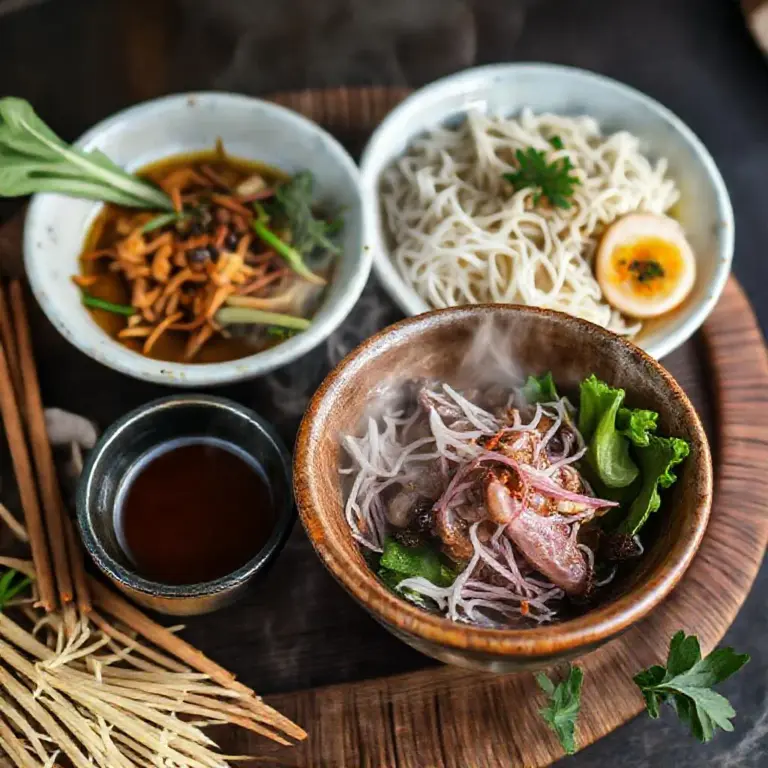
Welcome to Chiang Mai, the cultural heart of Northern Thailand! While Thai cuisine is globally renowned, finding truly authentic, strictly Jain-friendly vegetarian options can sometimes be a culinary quest. This guide, tailored for the discerning traveler in 2025, demystifies the best **Signature Jain-Friendly and Northern Thai Vegetarian Dishes to Try in Chiang Mai 2025**, detailing ingredients, preparation, and crucial avoidance tips for strict adherents. Our focus is ensuring your culinary journey is both delicious and compliant.
Understanding Jain Dietary Principles in a Northern Thai Context
Navigating Thai food as a Jain requires more than just asking for “Jay” (เจ), which is the Thai term for a broader, often vegan, diet that still frequently includes root vegetables. True Jain adherence requires vigilance regarding ingredients like garlic, onion, ginger, and sometimes even certain lentils or mushrooms. For the 2025 traveler, Chiang Mai offers specialized eateries catering to this need.
Key Ingredients to Look For (and Request)
When ordering, specifying the need for no root vegetables is paramount. Look for dishes heavily based on:
- Tofu and Tempeh (high protein staples).
- Leafy greens and above-ground vegetables (cabbage, beans, broccoli).
- Herbs like lemongrass, galangal (if permitted by your specific sect, though often excluded), kaffir lime, and chili.
- Rice and rice noodles.
Signature Northern Thai Vegetarian Dishes (Adapted for Jain Palates)
Northern Thai cuisine (Lanna food) is rich in herbs and utilizes grilling and steaming, making adaptation easier than in the coconut-heavy South. Here are the must-try staples, focusing on their Jain-adaptable versions.
1. Khao Soi (The Golden Curry Noodle) – The Ultimate Adaptation Challenge
Khao Soi is Chiang Mai’s signature dish. A traditional version uses chicken or beef, but vegetarian versions are abundant. The challenge for Jain diners is the base curry paste, which invariably contains shallots and garlic.
Ingredients & Preparation (Jain Adaptation):
- Base: Coconut milk, turmeric, chili powder, coriander seeds, cumin.
- What to Avoid: Garlic, shallots, onions, and sometimes ginger/galangal. A true Jain version replaces the root paste with a simple blend of dried spices and chilies cooked in oil.
- How It’s Made: The spice paste is dry-fried or lightly sautéed (without roots) until fragrant, then simmered with vegetable stock and coconut milk. It’s served over soft egg noodles (ensure vegan noodles are used) and topped with crispy fried noodles.
Recommendation: Seek out dedicated Jain restaurants (often marked by specific signage) that offer a ‘No Onion, No Garlic, No Root’ Khao Soi.
2. Gaeng Hung Lay (Burmese-Style Pork Belly Curry) – Tofu Transformation
This rich, tangy, and slightly sweet curry is usually made with pork belly. For vegetarians, it is transformed using large cubes of firm tofu or mock meat.
Ingredients & Preparation (Jain Adaptation):
- Base: Tamarind paste, palm sugar, peanuts, dried chili, and spices like star anise and cinnamon.
- What to Avoid: The traditional paste relies heavily on garlic and onions. The Jain version must use a specialized paste or a simple seasoning blend focusing on the sour and sweet elements.
- How It’s Made: Tofu chunks are simmered slowly in the spiced coconut broth until they absorb the complex flavors.
This dish highlights the Northern Thai ability to build depth of flavor using spices rather than aromatics.
Must-Watch Guide: Preparing Thai Food Safely
To better understand the nuances of Thai vegetarian cooking and ingredient sourcing, watch this helpful guide:
3. Sai Oua (Northern Thai Herb Sausage) – The Vegetarian Roll
Traditionally a pork sausage packed with herbs, the vegetarian Sai Oua substitutes finely mashed tofu, mushrooms, or soy mince.
Ingredients & Preparation (Jain Adaptation):
- Flavor Profile: Intense herbs—lemongrass, kaffir lime leaves, and fresh turmeric provide the signature red/orange hue.
- What to Avoid: Garlic, onions, and sometimes the inclusion of shrimp paste (common in non-strict vegetarian versions).
- How It’s Made: The vegetarian mixture is seasoned, wrapped tightly in banana leaves, and then grilled or steamed until firm. The grilling imparts a smoky flavor essential to the dish.
4. Nam Prik Noom (Green Chili Dip) – The Smoke and Spice Staple
This famous Northern Thai dip is usually made from roasted green chilies, garlic, and shallots. The Jain version requires significant modification.
Ingredients & Preparation (Jain Adaptation):
- Base: Roasted green chilies (Prik Num) and salt.
- What to Avoid: Garlic and shallots are mandatory in most recipes. A Jain version must substitute these with ground roasted seeds (like sesame or pumpkin) for texture and rely purely on lime juice and salt for brightness.
- How It’s Made: Chilies are roasted over charcoal until blistered, then pounded with salt and other permitted seasonings. Served with fresh, above-ground vegetables like steamed cabbage or long beans.
Crucial ‘What to Avoid’ Checklist for Jain Travelers in Chiang Mai
Even when ordering from restaurants labeled ‘Vegetarian’ or ‘Jay,’ you must remain vigilant. Trust is built on knowledge.
| Item to Avoid | Why? (Jain Restriction) | Common Place Found |
|---|---|---|
| Potatoes, Carrots, Radishes | Root Vegetables (Violence to the plant) | Base of many stir-fries, side dishes |
| Garlic (Krathiam), Onions (Hom) | Root Vegetables / Strong Aromatics | Curry pastes, marinades, dipping sauces |
| Fish Sauce (Nam Pla) | Non-Vegetarian/Non-Vegan | Nearly all savory Thai dishes |
| Shrimp Paste (Kapi) | Non-Vegetarian | Curry pastes (even some ‘vegetarian’ ones) |
| Ginger/Galangal (Kha) | Root/Rhizome (Check sect rules) | Soups and teas |
Always carry a small card, written in Thai, summarizing your dietary needs. For example: “ไม่ทานราก ผัก และกระเทียม” (Mai tan rak, pak, lae grathiam – I do not eat roots, vegetables, and garlic).
Finding Specialized Jain-Friendly Dining in Chiang Mai 2025
Chiang Mai’s food scene is dynamic. While the city has many excellent vegetarian spots near the Old City walls, true Jain adherence often leads travelers toward establishments that specifically cater to Indian Jain communities or highly specialized Thai ‘Jay’ shops that explicitly exclude roots.
We recommend exploring the areas around Wat Chedi Luang and the Nimmanhaemin Road for modern interpretations, but always verify the paste ingredients. For authentic, guaranteed Jain dining, check local listings near the Indian temples.
To locate the best spots for specialized dining, you can check reliable local guides:
Explore Chiang Mai Vegetarian Restaurant Listings
คำถามที่พบบ่อย (FAQ)
Here are answers to common questions regarding Jain dining in Northern Thailand.
References
Academic Overview of Jain Dietary Principles
- Jain-Friendly and Pure Veg Eats in Chiang Mai 2025: Complete Guide to Restaurants, Dishes, and Spiritual Dining Etiquette
- Where to Find 100% Pure Vegetarian and Jain-Friendly Restaurants in Chiang Mai (Neighborhoods, Opening Hours, and Verified Menus)
- Ordering, Communication, and Temple-Friendly Dining Etiquette for Jain Travelers in Chiang Mai