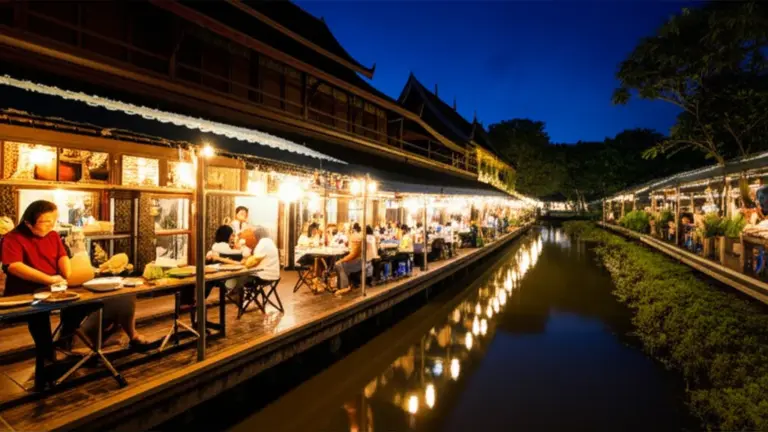
Chiang Mai Restaurants 2025: The Ultimate Guide to Eating Like a Local — Best Eats, Night Markets, Fine Dining, and Practical Tips
- Chiang Mai Restaurants 2025: The Ultimate Guide to Eating Like a Local — Best Eats, Night Markets, Fine Dining, and Practical Tips
- Eating Like a Local: Must-Try Northern Thai Dishes
- Chiang Mai’s Vibrant Night Markets: A Culinary Adventure
- Beyond Street Food: Fine Dining and Unique Experiences
- Practical Tips for Dining in Chiang Mai
- Conclusion
- คำถามที่พบบ่อย (FAQ)
- What is the most famous dish to try in Chiang Mai?
- Are credit cards widely accepted at Chiang Mai restaurants?
- What are the best night markets for food in Chiang Mai?
- Is it safe to eat street food in Chiang Mai?
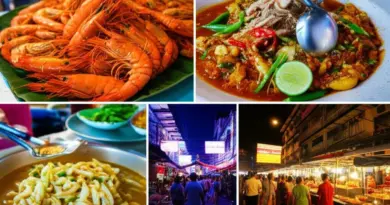
Welcome to Chiang Mai, the culinary heart of Northern Thailand! In 2025, this enchanting city continues to captivate food lovers with its vibrant street food scene, charming cafes, and sophisticated fine dining establishments. If you’re planning a trip, understanding the landscape of Chiang Mai Restaurants 2025 is key to unlocking an unforgettable gastronomic journey. From aromatic curries to sizzling street skewers, prepare to embark on a delicious adventure that will tantalize your taste buds and immerse you in the local culture.
Pro Tip: Embrace the Local Flavor!
While Western options are plentiful, the true magic of Chiang Mai’s food scene lies in its authentic Northern Thai cuisine. Don’t be afraid to try dishes you’ve never heard of – you might just discover your new favorite!
Eating Like a Local: Must-Try Northern Thai Dishes
To truly eat like a local in Chiang Mai, you must dive into the unique flavors of Lanna cuisine. These dishes are distinct from central Thai food, often featuring richer, milder curries and a greater emphasis on fresh herbs and aromatic spices.
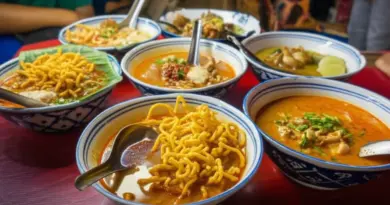
- Khao Soi (ข้าวซอย): The undisputed king of Northern Thai cuisine. This rich, creamy, and slightly spicy curry noodle soup, typically served with chicken or beef, is topped with crispy fried noodles and pickled mustard greens. A visit to Chiang Mai is incomplete without a bowl (or three!).
- Sai Oua (ไส้อั่ว): Northern Thai sausage, packed with aromatic herbs like lemongrass, kaffir lime leaves, and galangal. It’s usually grilled and perfect as a snack or with sticky rice.
- Gaeng Hung Lay (แกงฮังเล): A rich, savory, and slightly sweet Burmese-style pork belly curry. It’s slow-cooked to perfection, making the pork incredibly tender.
- Nam Prik Ong/Nam Prik Noom (น้ำพริกอ่อง/น้ำพริกหนุ่ม): Two popular chili dips. Nam Prik Ong is a tomato-based pork and chili dip, while Nam Prik Noom is a green chili dip. Both are typically served with sticky rice and a variety of fresh and blanched vegetables.
- Khanom Jeen Nam Ngiao (ขนมจีนน้ำเงี้ยว): Fermented rice noodles served with a spicy pork blood-based soup, often containing pork ribs, congealed pig’s blood, and tomatoes. Sounds adventurous, tastes amazing!
Chiang Mai’s Vibrant Night Markets: A Culinary Adventure
Night markets are the beating heart of Chiang Mai’s food scene, offering an incredible array of street food at affordable prices. They are not just places to eat, but vibrant cultural experiences filled with sights, sounds, and aromas.
| Market Name | Highlights | Best For |
|---|---|---|
| Warorot Market (Kad Luang) | Day & Night market, local produce, dried goods, flowers, street food. | Authentic local experience, dried fruits, Northern snacks. |
| Chiang Mai Gate Market | Daily evening market, wide variety of street food, fresh juices. | Quick, delicious street food, especially after sunset. |
| Sunday Walking Street Market | Huge Sunday-only market, food stalls line Ratchadamnoen Road, live music. | Food, handicrafts, souvenirs, bustling atmosphere. |
| Anusarn Market (Night Bazaar) | Part of the larger Night Bazaar, seafood, international food, live music. | Seafood, sit-down dining, tourist-friendly options. |
Navigating these markets is an experience in itself. Be prepared for crowds, especially at the Sunday Walking Street. Bring small denominations of Thai Baht, and don’t hesitate to try a little bit of everything. Hygiene standards are generally good, but always choose stalls with high turnover and freshly cooked food.
Experience Chiang Mai’s Local Street Food Scene
To get a real feel for how locals eat, check out this video showcasing authentic street food experiences in Chiang Mai:
Beyond Street Food: Fine Dining and Unique Experiences
While street food is a highlight, Chiang Mai Restaurants 2025 also offer exceptional fine dining options and unique culinary experiences. Many establishments are pushing the boundaries of traditional Thai cuisine, blending it with modern techniques and international influences.
- High-End Thai Cuisine: Restaurants like Blackitch Artisan Kitchen or Ginger Farm Kitchen offer elevated Thai dishes using locally sourced, often organic, ingredients. These places provide a more refined dining experience, perfect for a special evening.
- International Flavors: Chiang Mai boasts a diverse international food scene, from authentic Italian pizzerias to Japanese sushi bars and Indian curries. The expat community ensures a high standard of foreign cuisine.
- Cooking Classes: For a truly immersive experience, sign up for a Thai cooking class. You’ll learn to prepare classic dishes, visit local markets, and gain a deeper appreciation for Thai ingredients. Popular choices include the Thai Farm Cooking School or Grandma’s Home Cooking School.
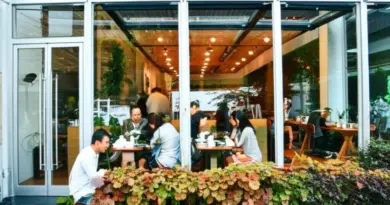
- Cafes and Coffee Culture: Chiang Mai is a haven for coffee lovers. Independent cafes abound, offering artisanal brews, delicious pastries, and comfortable spaces to relax or work. Many are set in beautiful gardens or old wooden houses.
Practical Tips for Dining in Chiang Mai
To make your culinary journey seamless and enjoyable, keep these practical tips in mind:
- Spice Levels: Thai food can be very spicy! If you’re not a fan of heat, remember to say “Mai Phet” (not spicy) or “Phet Noi” (a little spicy) when ordering.
- Hygiene: Generally, food hygiene is good. Look for busy stalls, as high turnover means fresh ingredients. Always ensure cooked food is served hot.
- Payment: While many larger restaurants accept credit cards, most street food vendors and smaller local eateries are cash-only. Have small bills handy.
- Reservations: For popular fine dining restaurants, especially on weekends, making a reservation is highly recommended.
- Dietary Restrictions: Vegetarians and vegans will find a good selection of options, especially at dedicated eateries. For other restrictions, a translation app or a written note in Thai can be very helpful.
Many of Chiang Mai’s best eateries are concentrated within the Old City walls or just outside. Here’s a general map for reference:
Conclusion
Chiang Mai in 2025 remains a premier destination for food enthusiasts. Whether you’re seeking the authentic thrill of street food at bustling night markets, the refined elegance of fine dining, or the cozy charm of a local cafe, the city’s diverse culinary landscape promises an unforgettable experience. Come hungry, be adventurous, and let the flavors of Northern Thailand enchant you. Your ultimate guide to Chiang Mai Restaurants 2025 awaits!
คำถามที่พบบ่อย (FAQ)
References
For further information on Chiang Mai’s culinary scene and travel tips, consider exploring resources from reputable travel guides and food blogs focusing on Thailand. Here are some general resources:
- Tourism Authority of Thailand (TAT)
- Lonely Planet – Chiang Mai
- No Tourists, Only Locals Eat Here… Chiang Mai Street Food Tour (YouTube)
- Top Chiang Mai Food Scenes in 2025: Where to Find Khao Soi, Northern Thai Specialties, and Emerging Street-Food Hotspots
- Best Neighborhoods to Dine in Chiang Mai: Nimmanhaemin, Old City, Night Bazaar Area, and Riverside Restaurant Recommendations
- Insider Tips for Eating Out in Chiang Mai 2025: Prices, Dietary Options (Vegetarian/Vegan), Food Safety, and How to Order Like a Local