Insider Tips for Eating Out in Chiang Mai 2025: Prices, Dietary Options (Vegetarian/Vegan), Food Safety, and How to Order Like a Local
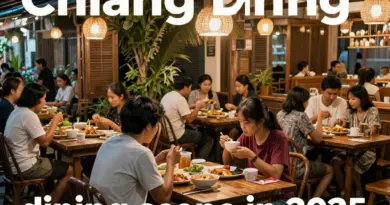
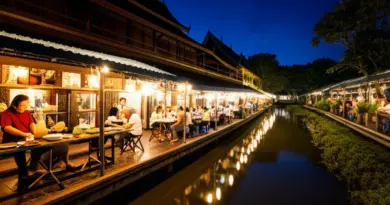
Chiang Mai, the cultural heart of Northern Thailand, is a true paradise for food lovers. As we step into Eating Out in Chiang Mai 2025, the city continues to evolve its culinary landscape, offering an incredible array of flavors, from bustling street food stalls to charming riverside restaurants. This guide provides insider tips to navigate Chiang Mai’s vibrant food scene, ensuring you enjoy delicious meals, cater to your dietary needs, stay safe, and even order like a seasoned local. Prepare your taste buds for an unforgettable journey!
The sheer diversity of food experiences in Chiang Mai can be overwhelming, but it’s also its greatest charm. From traditional Northern Thai dishes like Khao Soi to international cuisine, there’s something for everyone. Understanding the local dining culture is key to a smooth and enjoyable experience.
A Feast for Every Budget: Understanding Prices
One of Chiang Mai’s biggest draws is the affordability of its food. You can eat incredibly well without breaking the bank. Prices vary significantly depending on where you choose to dine.
| Dining Type | Average Meal Price (THB) | Notes |
|---|---|---|
| Street Food Stalls / Local Markets | 40 – 80 THB | Incredibly cheap, authentic, and delicious. Look for busy stalls. |
| Local Eateries / Small Restaurants | 70 – 150 THB | Comfortable seating, wider menus, still very budget-friendly. |
| Mid-Range Restaurants | 150 – 300 THB | Often feature air-conditioning, more curated menus, and perhaps live music. |
| Fine Dining / Hotel Restaurants | 300+ THB | High-end experiences, often with fusion cuisine or international focus. |
Bargaining is generally not expected for food, especially at fixed-price stalls and restaurants. Prices are usually clearly displayed. For the best value and experience, don’t shy away from the vibrant markets and local shophouses.
Catering to Every Palate: Vegetarian & Vegan Options
Chiang Mai is remarkably vegetarian and vegan-friendly, especially compared to other parts of Thailand. The city has a strong Buddhist influence, and many restaurants cater to ‘Jey’ (เจ) or ‘Jay’ diets, which are strict vegan diets often observed during specific periods. Even outside of these times, finding plant-based meals is relatively easy.
Key Phrases for Dietary Needs:
- Vegetarian: Mangsawirat (มังสวิรัติ)
- Vegan: Jay (เจ) – this implies no meat, dairy, eggs, or strong-smelling vegetables like garlic and onion. If you want to avoid just meat, dairy, and eggs, gin jeh (กินเจ) is generally understood.
- No meat: Mai sai neua-สัตว์ (ไม่ใส่เนื้อสัตว์)
- No fish sauce: Mai sai nam pla (ไม่ใส่น้ำปลา)
- No oyster sauce: Mai sai nam man hoy (ไม่ใส่น้ำมันหอย)
- No egg: Mai sai kai (ไม่ใส่ไข่)
- No milk: Mai sai nom (ไม่ใส่นม)
Many local restaurants and markets will have signs indicating ‘Jay’ food. Look for vegetarian restaurants around the Old City and Nimmanhaemin area. Popular dishes that can often be made vegetarian/vegan include Pad Thai, Green Curry, Massaman Curry, stir-fried vegetables, and various noodle soups. Always double-check ingredients, especially fish sauce and oyster sauce, which are common in Thai cooking.
Dining with Confidence: Food Safety Tips
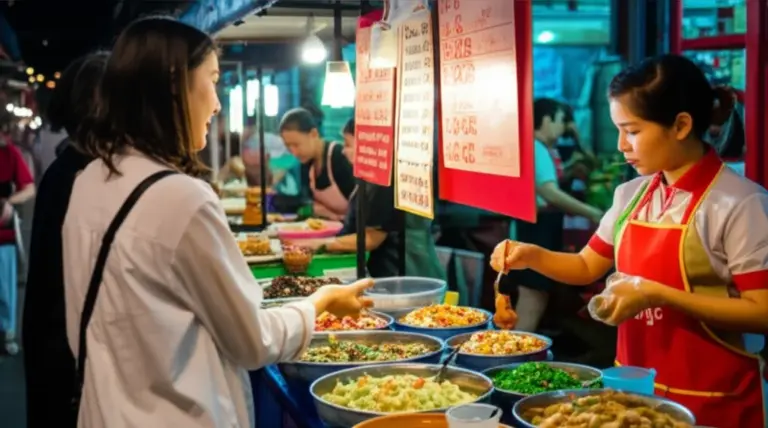
While street food is an essential part of the Chiang Mai experience, exercising caution is wise. Most food stalls operate with high turnover, meaning fresh ingredients and constant cooking, which helps with safety.
- Look for Popular Stalls: A long queue of locals is usually a good sign of fresh food and good hygiene.
- Observe Preparation: Watch how the food is handled. Are gloves used? Is the cooking area clean?
- Eat Cooked Food: Opt for freshly cooked, hot dishes. Avoid raw or undercooked items if you have a sensitive stomach.
- Water and Ice: Stick to bottled water. Most establishments use purified ice (often identifiable by its cylindrical shape with a hole in the middle), but if in doubt, skip the ice.
- Wash Your Hands: Always carry hand sanitizer or wash your hands thoroughly before eating.
- Fresh Fruit: Enjoy fresh fruit, but ensure it’s peeled or washed thoroughly with bottled water.
A Note on Spice:
Thai food can be very spicy! If you’re not accustomed to high levels of chili, remember to say “mai phet” (not spicy) or “phet nit noi” (a little spicy) when ordering. You can always add more chili later.
Ordering Like a Local: Essential Phrases & Etiquette
A few basic Thai phrases can go a long way in enhancing your dining experience and showing respect for the local culture. Thais appreciate the effort!
| Phrase | Thai Script | Meaning |
|---|---|---|
| Sawatdee krap/ka | สวัสดีครับ/ค่ะ | Hello (krap for male, ka for female) |
| Khop khun krap/ka | ขอบคุณครับ/ค่ะ | Thank you |
| Aow an nee | เอาอันนี้ | I’ll take this one (pointing) |
| Gin tee nee | กินที่นี่ | Eat here |
| Glap baan | กลับบ้าน | Take away / To go |
| Tao rai? | เท่าไหร่? | How much? |
| Chek bin | เช็คบิล | Check, please |
When dining, it’s common to share dishes, especially in groups. Use a spoon and fork (fork to push food onto the spoon, spoon for eating) rather than a knife. Chopsticks are typically used for noodle dishes. Tipping is not mandatory but appreciated, especially in tourist-oriented places (round up the bill or leave a small amount).
Recommended Local Eateries and Experiences
To truly immerse yourself in Chiang Mai’s food culture, venture beyond the main tourist streets. Some of the best discoveries are made down quiet sois (alleys) or at bustling local markets. Don’t miss the opportunity to explore.
Must-Try Dishes
- Khao Soi: The signature dish of Northern Thailand. A rich, creamy, and slightly spicy coconut curry noodle soup, usually with chicken or beef, topped with crispy egg noodles. An absolute must-try.
- Sai Oua: Northern Thai sausage, packed with herbs and spices like lemongrass, kaffir lime leaves, and chili. Perfect as a snack or with sticky rice.
- Nam Prik Ong / Nam Prik Noom: Two distinct Northern Thai chili dips. Nam Prik Ong is a milder, tomato-based dip with minced pork, while Nam Prik Noom is spicier, made from roasted green chilies. Both are served with fresh and blanched vegetables and pork rinds.
- Gaeng Hung Lay: A rich, savory, and slightly sweet Burmese-style pork belly curry, slow-cooked until tender.
- Pad See Ew: Wide rice noodles stir-fried with Chinese broccoli, egg, and a dark soy sauce. A comforting and popular dish.
Hidden Gems and Markets
Chiang Mai’s markets are not just for shopping; they are culinary destinations in themselves.
- Warorot Market (Kad Luang): A massive, bustling market offering everything from fresh produce to prepared foods, snacks, and local delicacies. Great for breakfast or a mid-day food adventure.
- Chiang Mai Gate Market: Popular night market outside the south gate of the Old City, known for its extensive range of street food, including vegetarian options.
- Sunday Walking Street (Tha Pae Gate): While primarily a craft market, it transforms into a huge food haven on Sunday evenings, with countless stalls selling local snacks and dishes.
- Jing Jai Market (JJ Market): Known for its organic and artisanal products, it also features a fantastic array of food stalls, especially on Saturday and Sunday mornings.
For a visual guide to some of Chiang Mai’s best food markets, check out this video:
Consider taking a cooking class to delve deeper into Northern Thai cuisine. Many schools offer half-day or full-day courses, often starting with a market visit to learn about local ingredients. This is a fantastic way to take a piece of Chiang Mai’s culinary magic home with you.
Conclusion: Savoring Your Chiang Mai Food Journey
Eating Out in Chiang Mai 2025 promises an adventure for your senses. By keeping these insider tips in mind – from understanding prices and navigating dietary options to practicing food safety and trying a few local phrases – you’re well-equipped to experience the best of this city’s incredible food scene. Be adventurous, be open, and most importantly, enjoy every delicious bite!
คำถามที่พบบ่อย (FAQ)
Q1: Is it safe to eat street food in Chiang Mai?
A1: Yes, generally it is safe. Look for stalls with high customer turnover, meaning food is cooked fresh and often. Observe hygiene practices and choose freshly cooked, hot dishes. It’s always advisable to drink bottled water.
Q2: How much should I budget for food daily in Chiang Mai?
A2: For a budget traveler focusing on street food and local eateries, 200-400 THB per day can cover meals. If you prefer mid-range restaurants, budget 500-800 THB per day. Fine dining will, of course, cost more.
Q3: What are the best markets for food in Chiang Mai?
A3: Highly recommended markets for food include Warorot Market (Kad Luang), Chiang Mai Gate Market (especially at night), the Sunday Walking Street, and Jing Jai Market for organic and artisanal options. Each offers a unique culinary atmosphere.
Q4: Can I find vegan or vegetarian food easily in Chiang Mai?
A4: Yes, Chiang Mai is one of the most vegetarian and vegan-friendly cities in Thailand. Many restaurants cater to ‘Jey’ (strict vegan) diets, and you can easily request ‘mai sai neua-สัตว์’ (no meat) or ‘mai sai nam pla’ (no fish sauce) at most eateries.
Q5: Is tipping customary in Chiang Mai restaurants?
A5: Tipping is not mandatory or traditionally expected in most local Thai eateries or street food stalls. However, it is appreciated, especially in tourist-oriented restaurants or for good service. Rounding up the bill or leaving a small amount is common.
- Chiang Mai Restaurants 2025: The Ultimate Guide to Eating Like a Local — Best Eats, Night Markets, Fine Dining, and Practical Tips
- Top Chiang Mai Food Scenes in 2025: Where to Find Khao Soi, Northern Thai Specialties, and Emerging Street-Food Hotspots
- Best Neighborhoods to Dine in Chiang Mai: Nimmanhaemin, Old City, Night Bazaar Area, and Riverside Restaurant Recommendations