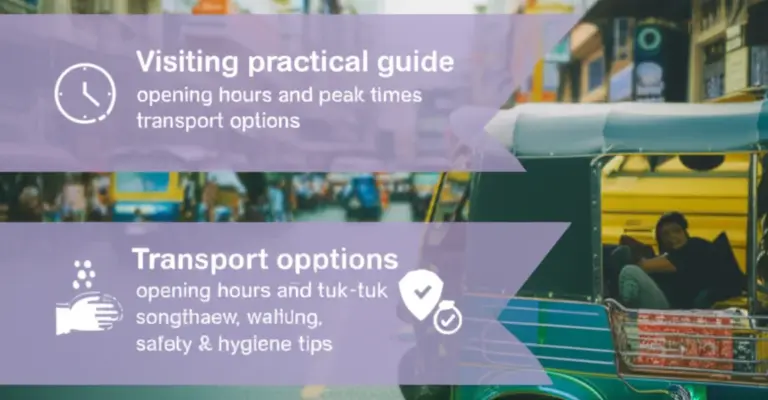
When to Go, How to Get There, and Safety Tips — Opening Hours, Peak Times, Transport (Tuk‑Tuk, Songthaew, Walk), and Hygiene Advice
- When to Go, How to Get There, and Safety Tips — Opening Hours, Peak Times, Transport (Tuk‑Tuk, Songthaew, Walk), and Hygiene Advice
Introduction: Your Thailand Tourism Essential Guide
Welcome to the Land of Smiles! Planning a trip to Thailand requires more than just booking a flight; it demands a solid understanding of the local rhythm, transport nuances, and essential safety protocols. This comprehensive Thailand Tourism Essential Guide will equip you with the knowledge to travel like a seasoned local, ensuring your journey is seamless, safe, and unforgettable. From navigating the three distinct seasons to mastering the art of the Tuk-Tuk ride and maintaining impeccable hygiene, this guide covers every vital detail to maximize your experience.
Timing Your Trip: Seasons, Peak Times, and Opening Hours
Knowing When to Go is the first step to planning the perfect Thai vacation. Thailand’s climate is tropical, dominated by three main seasons, each offering a vastly different experience. Choosing the right time depends on your tolerance for heat, crowds, and rain.
The Three Seasons: Hot, Rainy, and Cool
| Season | Months | Weather Conditions | Travel Impact (Peak Times) |
|---|---|---|---|
| Cool & Dry (Peak) | November to February | Pleasant, with temperatures between 20°C and 30°C. Low humidity. | Highest tourist numbers, highest prices. Best weather for all activities. |
| Hot | March to May | Extremely hot and humid, temperatures often exceeding 35°C. | Lower crowds, lower prices. Intense heat can make daytime sightseeing challenging. |
| Rainy (Monsoon) | June to October | High rainfall, but often in short, intense bursts (afternoons). High humidity. | Lowest crowds (except on the Gulf Coast islands), best deals on accommodation. |
The Cool & Dry season is the most popular, representing the absolute peak time for tourism. If you plan to travel during this period, book your accommodation and flights several months in advance. The shoulder months of late October and early March can offer a good balance of weather and lower prices.
For major cultural sites like the Grand Palace or Wat Pho in Bangkok, general Opening Hours are typically from 8:30 AM to 3:30 PM or 4:30 PM. It is crucial to check the specific times before your visit, as royal events or religious holidays can lead to sudden closures. Arriving right at opening time is highly recommended to beat the crowds and the midday heat. Keep a note of the local time zone (ICT – Indochina Time, UTC+7) to avoid missing out on important schedules.
How to Get There: Mastering Local Transport
Getting around Thailand is an adventure in itself, with a diverse range of transport options. From the iconic Tuk-Tuk to the shared Songthaew, understanding how to use them effectively is key to a smooth trip.
Tuk-Tuks: Negotiate and Ride Smart
The Tuk-Tuk is synonymous with Thai travel, offering an exhilarating, open-air ride. However, they are often more expensive than metered taxis or ride-hailing services like Grab. The golden rule is: **always agree on the price before you get in.** Never accept a driver’s offer that seems too cheap, as it almost certainly involves unscheduled stops at tailor shops or gem stores—a common scam to avoid. If a driver claims a major attraction is closed, ignore them and find another ride or walk. For short distances, they are a fun experience, but for longer journeys, use a metered taxi or Grab.
The Songthaew (meaning “two rows”) is a covered pickup truck with two benches in the back, acting as a shared taxi or bus. They are prevalent in smaller cities like Chiang Mai and beach towns like Pattaya. In some areas, they follow fixed routes for a low, flat fare. In others, they operate like private taxis, requiring negotiation. If it’s a fixed route, just hop on and press the buzzer when you want to get off. If you’re negotiating, confirm the destination and price clearly before departure. This is one of the most cost-effective ways to travel short distances.
Walking: The Best Way to Explore
In areas like Bangkok’s Old City (Rattanakosin) or Chiang Mai’s Old Town, walking is the most rewarding way to discover hidden temples and local life. However, be extremely cautious. Thai pavements can be uneven, often blocked by vendors, or non-existent. Always be alert to traffic, as pedestrian right-of-way is not always observed. For longer distances in Bangkok, utilize the efficient BTS Skytrain and MRT subway system to avoid traffic jams.
Prioritizing Safety, Security, and Hygiene
Thailand is generally a safe country for tourists, but like any popular destination, awareness of local customs and potential pitfalls is essential. Adhering to these safety and hygiene guidelines will ensure a worry-free trip.
Essential Safety Tips for Tourists
- **Traffic Awareness:** Motorbike accidents are common. If you rent a scooter, ensure you have the proper license and insurance, and always wear a helmet. As a pedestrian, assume cars will not stop for you.
- **Scam Avoidance:** The most prevalent scams involve Tuk-Tuk drivers or friendly strangers telling you a major site is closed. Politely decline any unsolicited offers for tours or shopping trips. Use metered taxis and insist the meter is used.
- **Personal Security:** Use hotel safes for valuables. Be mindful of your belongings in crowded areas like markets or on public transport to prevent pickpocketing.
- **Travel Insurance:** Never travel without comprehensive travel insurance that covers medical emergencies and potential repatriation. Medical care in Thailand can be excellent but expensive without cover.
Hygiene Advice: Staying Healthy in Thailand
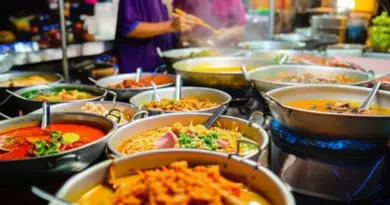
Maintaining good Hygiene Advice is crucial to avoid the dreaded “Thai belly.” The most important rule is simple: **Do not drink tap water.** Stick exclusively to bottled water, even for brushing your teeth. Ice is generally safe in established restaurants and hotels as it is usually factory-made, but exercise caution with street vendors. When eating street food, choose stalls that are busy and have a high turnover of customers, which indicates fresh ingredients and good preparation practices. Carry hand sanitizer, especially before and after eating, and use mosquito repellent vigorously, particularly during the rainy season, to guard against Dengue Fever.
By following this Thailand Tourism Essential Guide, you are well-prepared for a rich and authentic Thai experience. Whether you are basking in the sun during the peak season or enjoying the lush green landscapes of the monsoon, understanding the logistics and safety culture ensures a journey filled with positive memories.
คำถามที่พบบ่อย (FAQ)
1. What is the single best month to visit Thailand?
December or January are generally considered the best months, offering the coolest and driest weather, though they are also the most expensive and crowded. November and February are excellent alternatives with slightly fewer crowds.
2. Should I always negotiate the price with a Tuk-Tuk driver?
Yes, always negotiate the fare before getting into a Tuk-Tuk. Never agree to a price that seems too low, as it often means they will take you to shops first to earn commission. For reliable pricing, use a metered taxi or the Grab app instead.
3. Is tap water safe to drink in Thailand?
No, tap water is generally not safe for drinking. Tourists should stick to bottled water for consumption and be cautious even when using it to brush teeth, to avoid potential health issues. Bottled water is cheap and widely available.
4. How can I avoid the most common tourist scams?
Be wary of unsolicited advice from strangers near major tourist attractions (e.g., “The temple is closed, but I can take you to a ‘special’ one”). Always insist on metered taxis or use ride-hailing apps like Grab. Never hand over your passport as collateral for rentals.
References
Tourism Authority of Thailand (TAT) Official Website
World Health Organization (WHO) Travel Health Advice
- Street Food Guide 2025: The Ultimate Chang Phuak Gate Night Stalls Experience
- Best Dishes to Try at Chang Phuak Gate Night Stalls — Must-Taste Khao Kha Moo, Sai Ua, Mango Sticky Rice and Vegetarian Options
- How Much You’ll Pay: Budgeting, Portion Sizes, and Bargaining Tips for Street Food in Chiang Mai