Ordering, Communication, and Temple-Friendly Dining Etiquette for Jain Travelers in Chiang Mai
- Ordering, Communication, and Temple-Friendly Dining Etiquette for Jain Travelers in Chiang Mai
Chiang Mai, renowned for its ancient temples and vibrant markets, is an increasingly popular destination. While Thai cuisine is diverse, Jain dietary restrictions—which strictly exclude root vegetables (like onions, garlic, potatoes, carrots, radishes), honey, and often dairy products or fermentation—present unique challenges. Successfully enjoying the local flavors hinges on clear communication and understanding local customs. Our expertise aims to bridge this gap, offering practical, actionable advice for a respectful and compliant culinary experience.
Understanding Jain Dietary Restrictions in a Thai Context
The core of Jain dining is Ahimsa (non-violence). For travelers, this means avoiding not only meat, fish, and eggs but also subterranean vegetables (due to the destruction of micro-organisms and the plant itself during harvesting) and sometimes fungal/fermented foods. In Thailand, where pungent aromatics form the base of many dishes, pinpointing these ingredients is crucial.
Key Ingredients to Avoid
Before you even start Ordering, Communication, and Temple-Friendly Dining Etiquette for Jain Travelers in Chiang Mai, memorize these common Thai ingredients that conflict with Jain principles:
- Garlic (Krathiam) and Onions (Hom Daeng/Hom Khao): Ubiquitous in stir-fries and curries.
- Root Vegetables: Potatoes (Man Farang), Carrots (Kharot), Radishes, and Ginger (Khing) – though ginger is sometimes permitted depending on the sect.
- Honey (Nam Phueng): Avoided by many Jains due to the harm caused to bees.
- Fermented Products: Soy sauce, fish sauce (Nam Pla), and shrimp paste (Kapi) often contain fermentation or animal products.
Mastering Communication: Essential Thai Phrases
Effective communication is your most powerful tool. While English is spoken in tourist hubs, simple Thai phrases drastically improve your chances of receiving a compliant meal. Always have these written down or saved on your phone.
Street food in Chiang Mai is notoriously difficult for strict Jain diets because woks are often shared, and ingredients are pre-mixed. For reliable compliance, prioritize established vegetarian or vegan restaurants. However, if you must eat street food, look for stalls serving simple rice or noodle dishes that can be cooked fresh to order, minimizing cross-contamination. Always confirm the use of oil versus lard.
Temple-Friendly Dining Etiquette in Chiang Mai
Visiting revered Wats (temples) in Chiang Mai requires adherence to local cultural norms, which often intersect with Jain principles of respect and cleanliness. While Jainism has its own rigorous rules regarding food consumption (especially timing and purity), respecting Thai Buddhist customs enhances your experience.
Timing and Purity for Monastic Settings
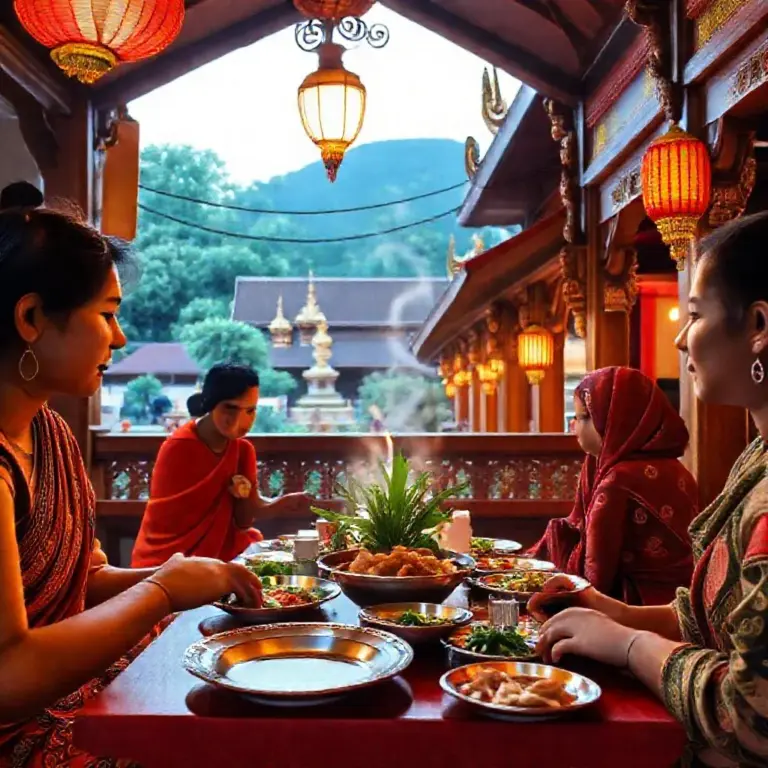
Buddhist monks adhere to strict rules regarding food, generally only eating before noon. As a respectful visitor, avoid eating or drinking conspicuously near active temple grounds or meditation halls. If you are invited to share a meal in a temple setting (rare, but possible through organized tours), ensure your food is entirely plant-based and adheres to your specific Jain mandates. Always accept offerings with your right hand, or both hands if the offering is small.
The Importance of Cleanliness (Shuddhata)
Jainism places high value on the purity of the vessel and the environment. When dining out, look for restaurants that appear clean and well-maintained. If you are using your own utensils, ensure they are thoroughly cleaned beforehand. This attention to cleanliness reflects the deeper commitment to minimizing harm.
Finding Jain-Friendly Establishments in Chiang Mai
Fortunately, Chiang Mai has a growing community of restaurants catering to plant-based diets, making the task of Ordering, Communication, and Temple-Friendly Dining Etiquette for Jain Travelers in Chiang Mai much easier than in the past. While dedicated Jain restaurants are few, many high-quality vegan spots can accommodate the necessary omissions.
Recommended Dining Strategies
- Seek out ‘Jay’ (เจ) Restaurants: Look for the universal yellow sign with red Thai script that reads ‘Jay’. While Jay food is technically Buddhist (often excluding garlic/onion *and* root vegetables), it is the closest starting point. Always confirm the ‘no root vegetable’ rule specifically.
- Utilize Mapping Apps: Search for ‘Vegan Chiang Mai’ or ‘Vegetarian Chiang Mai’. Cross-reference reviews to see if they mention accommodating international dietary needs.
- Stick to Simple Staples: Plain steamed rice (Khao Suay) with simple steamed or boiled vegetables (if you trust the preparation) is often the safest bet when options are limited.
- Self-Catering: For absolute certainty, consider staying in accommodations with kitchen access, especially for breakfast. Local markets offer fresh fruits and grains.
For travelers seeking specific locations known for their openness to specialized diets, the area around Nimman and the Old City often has more cosmopolitan eateries willing to tailor dishes. Remember, patience and a respectful demeanor go a long way when discussing complex dietary needs with local staff.
FAQ: Jain Travel Dining in Chiang Mai
คำถามที่พบบ่อย (FAQ)
References
By preparing thoroughly on Ordering, Communication, and Temple-Friendly Dining Etiquette for Jain Travelers in Chiang Mai, you can fully immerse yourself in the beauty of Northern Thailand without compromising your spiritual commitments. Enjoy your peaceful travels!
- Jain-Friendly and Pure Veg Eats in Chiang Mai 2025: Complete Guide to Restaurants, Dishes, and Spiritual Dining Etiquette
- Where to Find 100% Pure Vegetarian and Jain-Friendly Restaurants in Chiang Mai (Neighborhoods, Opening Hours, and Verified Menus)
- Signature Jain-Friendly and Northern Thai Vegetarian Dishes to Try in Chiang Mai 2025 (Ingredients, How They’re Made, and What to Avoid)