What to Pack, When to Visit, and How to Book: Practical Planning Tips for a Stress-Free Forest Spa Experience
- What to Pack, When to Visit, and How to Book: Practical Planning Tips for a Stress-Free Forest Spa Experience
- Understanding the Unique Appeal of Thailand’s Forest Spas
- What to Pack: Essential Items for Your Forest Spa Retreat
- How to Book Your Thai Forest Spa Retreat Seamlessly
- Maximizing Your Tranquility: On-Site Etiquette
- คำถามที่พบบ่อย (FAQ)
- Is it necessary to speak Thai to enjoy a forest spa in Thailand?
- Can I combine a forest spa visit with trekking or sightseeing?
- What is the difference between a traditional Thai massage and an oil massage at a forest spa?
Thailand is globally renowned for its vibrant culture, stunning beaches, and, crucially, its world-class wellness offerings. Moving beyond the bustling city centers, the ultimate immersion into rejuvenation lies within the tranquil embrace of a Thai forest spa. Achieving a truly Stress-Free Forest Spa Experience requires forethought. This comprehensive guide provides the expert insight you need on preparation, timing, and booking to ensure your journey into natural serenity is flawless from the moment you plan until the final, blissful treatment ends.
Understanding the Unique Appeal of Thailand’s Forest Spas
Thai forest spas, often nestled near national parks or deep within the lush northern jungles (like Chiang Mai or Kanchanaburi), offer more than just massage; they offer an ecosystem of healing. The air is cleaner, the sounds are natural, and the focus is holistic. To maximize this environment, preparation is key.
When to Visit Thailand for Peak Spa Serenity
Timing your visit significantly impacts the atmosphere and your comfort level.
- Cool & Dry Season (November – February):
The ideal time. Weather is pleasant (20°C – 30°C), humidity is lower, and the forest is inviting for outdoor treatments or walks. - Hot Season (March – May):
Expect high heat and humidity. While treatments are still wonderful, schedule outdoor relaxation for early morning or late afternoon. - Rainy/Green Season (June – October):
Lush and deeply green, but expect daily downpours. This season offers lower prices and fewer crowds, perfect if you don’t mind the rain; the sound of rain during a massage is profoundly relaxing.
What to Pack: Essential Items for Your Forest Spa Retreat
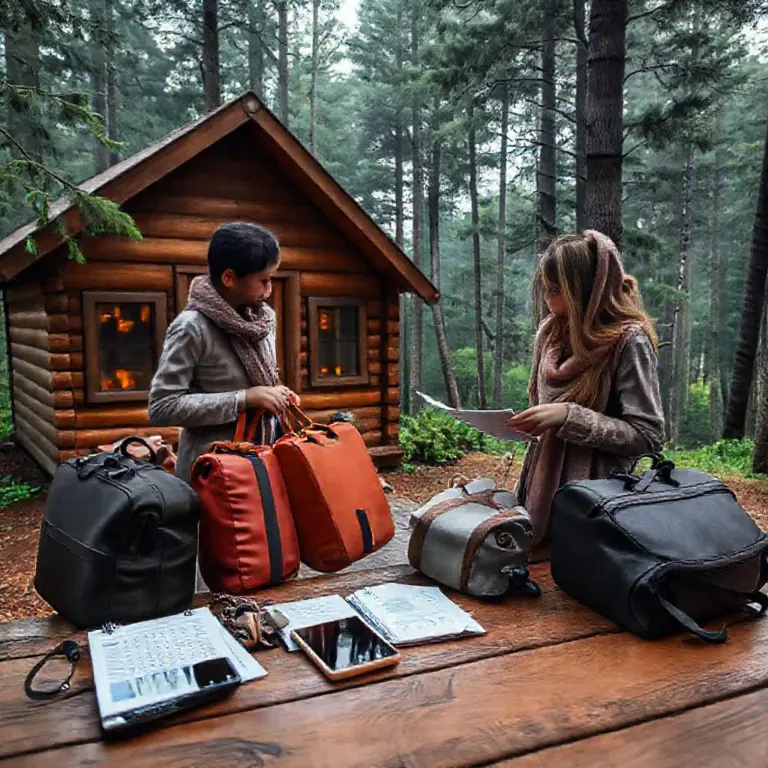
Packing light is advisable, as most high-end spas provide robes and toiletries. However, specific items will enhance your overall Stress-Free Forest Spa Experience. Consider these necessities:
Clothing & Comfort
- Loose, breathable layers (linen or cotton).
- Comfortable slippers or sandals for walking around the grounds.
- A lightweight, compact rain jacket (especially during the green season).
- Swimwear for hydrotherapy pools or jungle streams.
Health & Personal Care
Remember, you are deep in nature. Preparation helps avoid minor irritations.
Expert Tip on Insects:
Bring a natural, DEET-free insect repellent, especially if you plan on jungle walks or staying in open-air villas. Most reputable spas use natural deterrents, but personal protection is recommended.
- High SPF, reef-safe sunscreen.
- A journal and pen to document your reflections.
- A reusable water bottle to stay hydrated naturally.
How to Book Your Thai Forest Spa Retreat Seamlessly
Booking can be complex, especially for exclusive, remote locations. Follow these steps for a streamlined reservation process.
Step 1: Define Your Wellness Goals and Budget
Are you seeking deep detoxification, Ayurvedic consultation, or traditional Thai healing? Packages range significantly in price. Decide if you prefer an all-inclusive retreat (accommodation, food, treatments) or a pay-per-treatment model.
Step 2: Location Scouting and Vetting
While Chiang Mai is a hub, explore options in quieter areas like Khao Yai or the hills of Northern Lanna. Always check reviews focusing on staff professionalism, hygiene standards, and the quality of the natural environment surrounding the spa.
Step 3: Communication is Key
When booking, clearly communicate any allergies, pre-existing conditions, or pressure preferences. A high-quality spa will require this information in advance to tailor your treatments. Do not hesitate to ask about their certification standards to ensure trustworthiness.
For those planning to visit popular wellness centers outside the major cities, understanding local access is crucial.
Logistics: Getting to the Jungle Sanctuary
Many remote forest spas do not have direct public transport access. Confirm if the spa provides airport transfers or shuttle services. Pre-arranging this transport is a vital component of maintaining a Stress-Free Forest Spa Experience.
| Logistics Item | Action Required | Notes |
|---|---|---|
| Transfers | Book 2+ weeks ahead | Confirm pickup point (airport/hotel) and time. |
| Dietary Needs | Inform spa upon booking | Essential for meal planning in retreats. |
| Digital Detox | Decide boundaries | Do you bring a book or plan to unplug completely? |
Maximizing Your Tranquility: On-Site Etiquette
Once you arrive, adhering to the spa’s culture enhances both your experience and that of others seeking peace.
- Silence is Golden: Keep voices low, especially in common areas, treatment halls, and meditation spaces.
- Punctuality: Arrive 15–20 minutes before your scheduled treatment time to change, relax, and perhaps enjoy a welcome tea. Late arrivals may result in shortened sessions.
- Tipping Culture: While not mandatory, tipping therapists who provided exceptional service (often 10-15% of the service cost, or a small cash offering) is appreciated in Thailand.
- Hydration: Drink plenty of purified water before and after treatments to aid detoxification.
By meticulously planning your packing list, selecting the optimal season, and booking ahead with clear communication, you transform a simple massage into a profound, restorative journey. Embrace the serenity Thailand’s forests have to offer.
คำถามที่พบบ่อย (FAQ)
References
- Forest Spas in Mae Rim 2025: Ultimate Guide to Waterfall Soundscapes, Wellness Retreats, and How to Plan Your Visit
- Why Mae Rim’s Forest Spas Are the Best for Waterfall Soundscape Therapy — What to Expect and How It Heals
- Top Forest Spa Resorts and Day-Trip Options in Mae Rim (2025) — Reviews, Prices, and How to Choose the Right Package