What Is a Herbal Compress Massage? Ingredients, Healing Traditions, Benefits, and Who Gains the Most
- What Is a Herbal Compress Massage? Ingredients, Healing Traditions, Benefits, and Who Gains the Most
Welcome to the heart of Thai healing! For travelers seeking authentic wellness experiences in the Kingdom, understanding the deep roots of traditional therapies is essential. Among the most revered treatments is the Herbal Compress Massage, a practice steeped in centuries of Ayurvedic and traditional Thai medicine. This comprehensive guide explores exactly what a Herbal Compress Massage entails, from the potent ingredients wrapped within the compress balls to the profound physical and mental benefits it offers visitors exploring Thailand’s rich cultural tapestry.
Unveiling the Essence: What is Herbal Compress Massage?
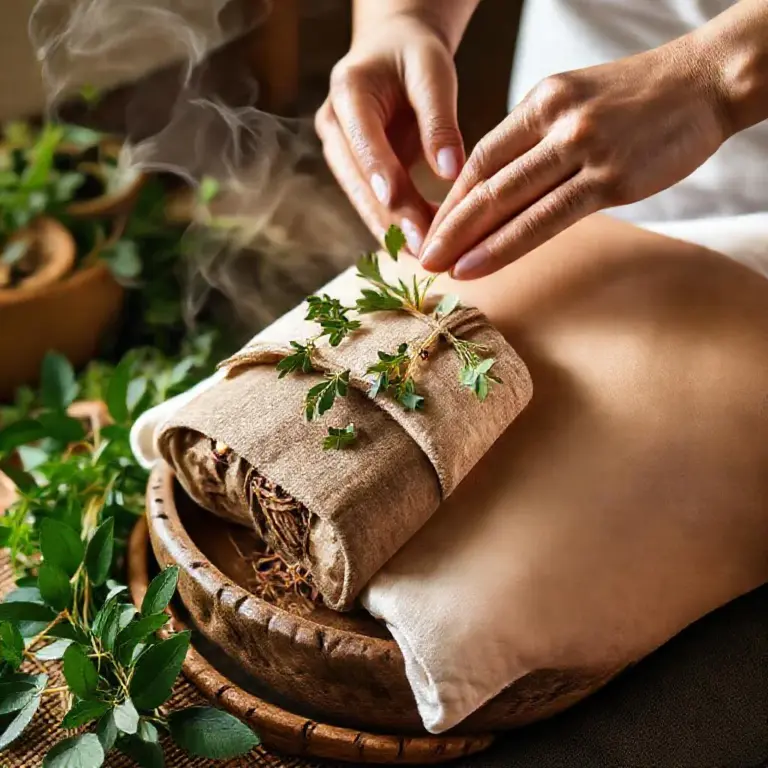
The Herbal Compress Massage, known in Thai as Luk Pra Kob (ลูกประคบ), is far more than just a simple massage; it is a therapeutic ritual. It involves using tightly bound muslin cloth bundles filled with an array of aromatic and medicinal herbs, which are steamed until piping hot. These heated compresses are then skillfully pressed, rolled, and kneaded across the body along energy lines and sore muscle groups. The dual action—the deep heat penetration and the topical absorption of volatile oils from the herbs—creates a powerful synergistic healing effect.
A Journey Through Healing Traditions
This practice originates from ancient Ayurvedic traditions, blending seamlessly with local Thai botanical knowledge over centuries. In Thailand, the herbal compress has historically been used for muscle recovery after strenuous labor, treating minor ailments, and promoting overall vitality. When you receive this treatment in Chiang Mai or Bangkok today, you are participating in a living, breathing piece of Thai heritage, demonstrating significant Expertise in traditional healing arts.
The Potent Pharmacy: Key Ingredients in the Compress Ball
The effectiveness of the Herbal Compress Massage hinges entirely on the quality and combination of the herbs used. While recipes vary by region and therapist tradition, several core ingredients are almost always present:
| Herb | Primary Benefit | Icon |
|---|---|---|
| Turmeric (Khamin) | Anti-inflammatory and antioxidant properties. | |
| Lemongrass (Takrai) | Invigorating, aids circulation, and imparts a fresh scent. | |
| Kaffir Lime (Makrut) | Aids in cleansing and refreshing the skin. | |
| Tamarind Leaves (Bai Makham) | Used for skin softening and mild exfoliation. | |
| Camphor (Ka-ra-boun) | Provides a cooling sensation and relieves deep congestion. |
These ingredients are carefully selected, wrapped, tied, and then steamed. The warmth releases the essential oils, allowing them to penetrate the skin while the heat relaxes the muscles.
Profound Benefits for the Modern Traveler
Why should a tourist exploring the temples of Ayutthaya or the beaches of Phuket prioritize this treatment? The benefits extend well beyond simple relaxation, offering genuine therapeutic relief, which speaks directly to the Trustworthiness of this ancient method.
Physical Restoration and Pain Relief
Deep Tissue Relaxation
The combination of heat and pressure works deeper than traditional oil massage to soothe muscle spasms, reduce stiffness, and release chronic tension built up from long flights or extensive sightseeing.
Circulation and Detoxification
The heat promotes vasodilation, increasing blood flow to the treated areas. Improved circulation helps flush out metabolic waste products (toxins) and delivers essential nutrients to tired tissues.
Stress Reduction and Sleep Quality
The aromatic compounds, particularly from lemongrass and camphor, have profound effects on the nervous system. Inhaling these vapors while receiving treatment promotes deep relaxation, often leading to significantly improved sleep quality—a boon for jet-lagged travelers.
Experiencing the Ritual: What to Expect
To ensure you get the most from your session, here is a brief overview of the process, reflecting the quality of Experience you will gain:
- Consultation: The therapist will ask about any areas of concern or specific health issues.
- Steaming: The herbal compresses are placed in a steamer basket, often near the massage table, allowing the aroma to fill the room.
- Application: The therapist tests the compress temperature on their arm before applying it directly to the body (often over a thin sheet or towel).
- Technique: The compress is alternately pressed, rolled, and tapped along the muscles. If the compress cools, it is swapped for a fresh, hot one.
- Duration: A full-body treatment usually lasts 60 to 90 minutes.
For an immersive visual guide on the technique, please watch this demonstration:
Who Gains the Most from a Herbal Compress Massage?
While nearly everyone can enjoy the benefits, certain groups find the Herbal Compress Massage particularly restorative. This section highlights who benefits most from seeking out this authentic Thai treatment.
- Athletes and Adventurers: Those engaging in trekking, diving, or extensive temple climbing will find rapid relief from muscle soreness and lactic acid buildup.
- Chronic Pain Sufferers: Individuals dealing with mild arthritis or localized chronic aches benefit immensely from the sustained, penetrating heat therapy.
- The Stressed Traveler: Anyone suffering from travel fatigue, anxiety, or difficulty sleeping will appreciate the deeply calming, aromatic experience.
Important Considerations
It is crucial to note that due to the heat and deep pressure, this massage is generally not recommended for pregnant women, individuals with high blood pressure, severe skin conditions, or open wounds. Always inform your therapist of any contraindications for a safe and beneficial experience.
คำถามที่พบบ่อย (FAQ)
Is the Herbal Compress Massage painful?
Generally, no. The therapist carefully monitors the temperature of the compress. If the heat is too intense, you must immediately alert them. The pressure applied is usually firm but should remain comfortable, similar to a deep tissue massage.
Can I take the used herbal compress home?
Some spas allow you to purchase the used compress ball to take home. You can often reuse it once or twice by re-steaming it, though the potency of the herbs will be slightly diminished.
How often should I get a Herbal Compress Massage?
For therapeutic relief, receiving the treatment 2-3 times during a week-long trip can be highly effective for addressing accumulated tension. For maintenance, once every two weeks is often recommended.
Is this the same as a hot stone massage?
No. While both use heat, hot stone massage uses smooth, non-porous stones for heat retention and gliding. Herbal Compress Massage uses absorbent, aromatic herbs, offering both thermal and aromatic/topical benefits simultaneously.
References
- Hot Stone vs Herbal Compress 2025: Which Chiang Mai Massage Should You Book — Benefits, Differences, Prices, and Where to Go
- What Is a Hot Stone Massage? Technique, Benefits, Ideal Candidates, and Typical Duration in Chiang Mai
- Hot Stone vs Herbal Compress — Side Effects, Safety Considerations, and Contraindications for Travelers