How to Book and Prepare: Reservations, language options, what to bring, and travel directions from Chiang Mai city center
- How to Book and Prepare: Reservations, language options, what to bring, and travel directions from Chiang Mai city center
- Essential Pre-Trip Planning: Reservations and Booking Culture
- Navigating Language Options in Chiang Mai
- What to Bring: Essential Packing List for Chiang Mai Adventures
- Travel Directions from Chiang Mai City Center
- คำถามที่พบบ่อย (FAQ)
- How far in advance should I book popular ethical elephant sanctuaries?
- Is it safe to use Grab/Bolt late at night for travel directions?
- What is the best way to handle currency exchange when arriving?
- Do I need travel insurance for activities like zip-lining or trekking?
- How do I tell a taxi driver where I want to go if they don’t speak English?
- References
Welcome to Chiang Mai, the Rose of the North! Planning excursions, day trips, or even just securing a fine dining reservation in this vibrant hub requires a little insider knowledge. This comprehensive guide is designed to ensure your journey runs seamlessly. We will cover every crucial aspect of How to Book and Prepare: Reservations, language options, what to bring, and travel directions from Chiang Mai city center, transforming you from a hesitant tourist to a confident explorer.
Essential Pre-Trip Planning: Reservations and Booking Culture
Chiang Mai offers a diverse range of activities, from ethical elephant sanctuaries to cooking classes and temple tours. Understanding the local booking culture is key to securing the best spots.
Booking Tours and Activities
For popular attractions, especially those involving wildlife or remote locations, booking 24-48 hours in advance is advisable.
- Online Platforms: Many reputable operators use platforms like Klook, GetYourGuide, or their direct websites. Always check reviews for recent visitor experiences.
- Hotel Concierge: Your hotel is an excellent resource for vetted, reliable tours. They often handle the booking and confirmation process for you, adding a layer of trust.
- Local Agencies (Nimmanhaemin/Old City): While you can walk in, be wary of heavily discounted last-minute deals for complex trips (like multi-day treks), as quality control may be lower.
Restaurant Reservations
Fine dining establishments or highly-rated vegan/vegetarian spots often require reservations, particularly on weekends.
While Thai is the official language, Chiang Mai is incredibly accommodating to international visitors. This section addresses language barriers when managing reservations and seeking directions.
English Proficiency
In the main tourist zones (Old City, Nimman, Santitham), most tour operators, larger restaurants, and hotel staff speak functional English. However, outside these areas or when dealing with smaller, family-run businesses, English may be limited.
Essential Thai Phrases for Transactions
Learning a few key phrases dramatically improves interactions and can help secure better service. Remember to add the polite particle (Krap for males, Ka for females) at the end of every sentence.
| English Phrase | Thai (Phonetic) | Use Case |
|---|---|---|
| Hello / Thank You | Sawadee krap/ka | Greeting/Politeness |
| Do you speak English? | Poot pasa Angkrit dai mai krap/ka? | Checking communication ability |
| How much? | Tao rai krap/ka? | Shopping/Payment |
| Reservation for two | Jong sam-rap song khon krap/ka | Making reservations |
What to Bring: Essential Packing List for Chiang Mai Adventures
The climate in Chiang Mai is generally warm, but preparation for specific activities and seasonal changes is vital for comfort and respect.
Clothing Considerations
When visiting temples (Wats), shoulders and knees must be covered. Lightweight, breathable fabrics are your best friend due to the humidity.
- Temple Wear: Lightweight trousers or long skirts, shirts with sleeves (no tank tops). Carry a light scarf for quick coverage.
- Hiking/Trekking: Sturdy walking shoes or trainers, moisture-wicking socks, and light rain gear (especially May-October).
- Sun Protection: High SPF sunscreen, wide-brimmed hat, and sunglasses are non-negotiable year-round.
Health and Safety Items
Don’t forget essential medication and items to combat local insects and sun exposure.
- Insect Repellent (DEET recommended for jungle areas).
- Basic First Aid Kit (plasters, antiseptic wipes, motion sickness tablets).
- Hand sanitizer (essential before eating street food).
- A portable power bank, as you will be using your phone for maps and photos frequently.
Travel Directions from Chiang Mai City Center
The city center is generally defined as the area inside the moat walls. From here, various transportation methods are available for excursions, depending on your destination.
Local Transport Options
For short distances within the city, Red Songthaews (shared taxis) and Grab (Southeast Asia’s equivalent of Uber) are the most convenient. For longer trips, consider these options:
Songthaew (Red Trucks)
Best for shared, short-to-medium trips (e.g., to Doi Suthep). Always agree on the fare before getting in.
Grab / Bolt
Excellent for fixed pricing to destinations like the Airport (CNX) or Train Station. Highly recommended for reliability.
Hiring Private Transport or Scooters
For exploring areas outside the city, such as Doi Inthanon National Park or Pai, you have more flexibility.
- Private Driver: If you have a group or prefer ease, hiring a private car and driver (often organized via your hotel or a reputable agency) is the most comfortable option. This allows you to fully immerse yourself in the journey without worrying about navigation.
- Scooter Rental: Many travelers rent scooters (around 200-300 THB/day). If you choose this, ensure you have an International Driving Permit (IDP) recognized by Thai law, as police checkpoints are common, and insurance coverage is often void without one.
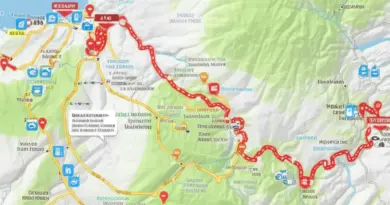
Visualizing Key Travel Routes
To help orient yourself, here is a visual representation of travel times from the city center to common destinations.
Featured Travel Inspiration
To get you excited about your journey planning, take a look at this video showcasing the beauty just outside the city walls.
คำถามที่พบบ่อย (FAQ)
How far in advance should I book popular ethical elephant sanctuaries?
For highly reputable and ethical sanctuaries that limit group sizes, it is strongly recommended to book at least one week in advance, especially during the high season (November to February). Last-minute bookings may only secure spots with less popular operators.
Is it safe to use Grab/Bolt late at night for travel directions?
Yes, Grab and Bolt are very safe in Chiang Mai, even late at night. The app tracks your journey, and payment is often cashless, which many travelers prefer. Always verify the license plate matches the information shown in the app before entering the vehicle.
What is the best way to handle currency exchange when arriving?
While airport kiosks offer convenience, you will get better exchange rates at dedicated money exchange booths located within the city center (e.g., near the Tha Pae Gate or in major shopping malls). Withdraw small amounts from ATMs initially, as they charge a high flat fee per transaction.
Do I need travel insurance for activities like zip-lining or trekking?
While the tour operator will have liability insurance, comprehensive travel insurance is highly recommended. Ensure your policy specifically covers the adventure activities you plan to undertake (e.g., motorbiking or higher-risk treks) as standard policies might exclude them.
How do I tell a taxi driver where I want to go if they don’t speak English?
The most effective method is to have the destination address written in Thai script, or better yet, display the location pinned on Google Maps on your phone. Show the driver the map screen; this removes ambiguity regarding travel directions.
References
Official Tourism Authority of Thailand Portal
Information on Driving Permits and Regulations
- Wua Lai Silver Workshops 2025: Make Your Own Bracelet — Complete Visitor Guide for Chiang Mai Craft Experiences
- What to Expect at Wua Lai Silver Workshops: Types of bracelets, class formats, prices, and opening hours
- Step-by-Step Bracelet-Making Experience: Techniques taught, materials used (sterling vs. silver-plated), class duration and difficulty levels