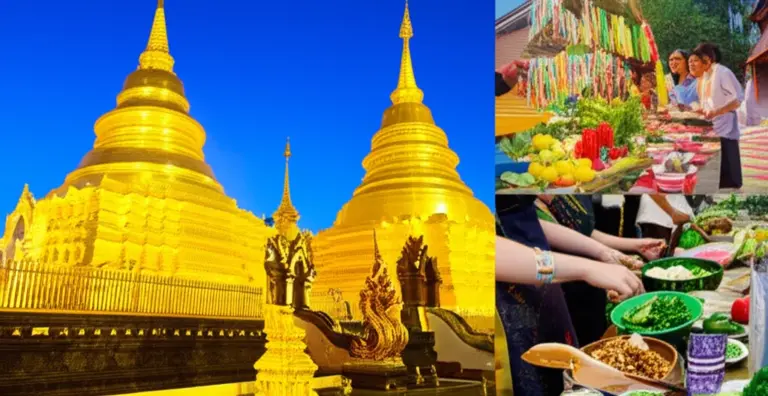
Cultural Experiences and Food Tours: Temples, Night Markets, Cooking Classes, and Local Chiang Mai Festivals
- Cultural Experiences and Food Tours: Temples, Night Markets, Cooking Classes, and Local Chiang Mai Festivals
- Immerse Yourself in Spiritual Splendor: Chiang Mai’s Temples
- Experience the Vibrant Pulse: Night Markets
- Savoring Local Flavors: Food Tours and Cooking Classes
- Celebrating Traditions: Local Chiang Mai Festivals
- Tips for Your Cultural and Culinary Journey
- Conclusion
- คำถามที่พบบ่อย (FAQ)
- What are the must-visit temples in Chiang Mai?
- Which night markets should I visit for food in Chiang Mai?
- What kind of dishes can I expect to learn in a Chiang Mai cooking class?
- When are the major festivals in Chiang Mai?
Welcome to Chiang Mai, the spiritual and cultural heart of Northern Thailand, a city where ancient traditions beautifully intertwine with modern life. For travelers seeking authentic connections and unforgettable memories, engaging in Chiang Mai Cultural Experiences and Food Tours offers an unparalleled journey into the soul of this enchanting region. From the serene grandeur of its temples to the bustling energy of its night markets, the aromatic delights of its cuisine, and the joyous spirit of its festivals, Chiang Mai promises a sensory feast that captivates every visitor. This guide will help you navigate the best of Chiang Mai’s cultural and culinary landscape, ensuring your trip is filled with discovery and delight.
Immerse Yourself in Spiritual Splendor: Chiang Mai’s Temples
Chiang Mai is often referred to as the ‘Rose of the North,’ and its countless Buddhist temples, or ‘wats,’ are its most fragrant petals. Each temple tells a story of Lanna history and spiritual devotion, offering a peaceful sanctuary from the city’s vibrant pace. When visiting these sacred sites, remember to dress respectfully, covering shoulders and knees, and remove your shoes before entering the main prayer halls.
Wat Phra That Doi Suthep
Perched high on a mountain overlooking the city, Wat Phra That Doi Suthep is arguably Chiang Mai’s most iconic temple. Its gleaming golden chedi (stupa) is said to contain a relic of the Buddha, drawing pilgrims and tourists alike. The panoramic views of Chiang Mai from its elevated position are simply breathtaking, especially at sunrise or sunset. A climb of over 300 steps, flanked by mythical Naga serpents, leads to the temple, though a cable car offers an easier ascent.
Wat Chedi Luang
Located within the ancient city walls, Wat Chedi Luang is a historical marvel. Once home to the Emerald Buddha, its massive, crumbling chedi, damaged by an earthquake centuries ago, still stands as a testament to Lanna Kingdom’s architectural prowess. Surrounding the main chedi are smaller temples and halls, including a beautiful reclining Buddha. [9]
Wat Phra Singh Woramahawihan
Another gem within the Old City, Wat Phra Singh is renowned for its elegant Lanna-style architecture and its revered Buddha image, Phra Phutthasihing. The temple complex is beautifully maintained, with intricate murals and golden decorations that reflect the artistic heritage of Northern Thailand. It’s an active temple where you can observe daily monastic life.
Experience the Vibrant Pulse: Night Markets
As the sun sets, Chiang Mai transforms into a kaleidoscope of lights, sounds, and aromas, thanks to its legendary night markets. These aren’t just places to shop; they are social hubs, culinary adventures, and cultural showcases. They are an essential part of Chiang Mai Cultural Experiences and Food Tours.
| Market Name | Highlights | Operating Days |
|---|---|---|
| Chiang Mai Night Bazaar | Souvenirs, clothing, local handicrafts, diverse food stalls. | Daily |
| Saturday Night Market (Wua Lai Walking Street) | Silverware, traditional crafts, street food, live music. | Saturday evenings |
| Sunday Walking Street (Tha Pae Gate) | Largest market, wide array of goods, street performances, food stalls galore. [8] | Sunday evenings |
Beyond shopping, the night markets are a paradise for foodies. Sample everything from crispy spring rolls and savory satay to exotic fruits and refreshing Thai iced tea. Don’t miss the opportunity to try Northern Thai specialties like Khao Soi (a rich, creamy curry noodle soup) and Sai Oua (Chiang Mai sausage). The atmosphere is electric, making for a truly memorable evening. [2]
Savoring Local Flavors: Food Tours and Cooking Classes
No visit to Chiang Mai is complete without delving deep into its culinary scene. Chiang Mai Cultural Experiences and Food Tours often revolve around the incredible food. A dedicated food tour allows you to explore hidden eateries, sample authentic dishes, and learn about the ingredients and traditions behind Northern Thai cuisine from local experts. Many tours include visits to local markets, providing insight into the fresh produce and spices that form the backbone of Thai cooking. [7]
For a more hands-on experience, a Thai cooking class is highly recommended. These classes typically begin with a trip to a local market to select fresh ingredients, followed by step-by-step instruction on how to prepare several classic Thai dishes. It’s an engaging and delicious way to take a piece of Thailand home with you. You’ll learn to balance the five fundamental flavors of Thai cuisine: sweet, sour, salty, spicy, and bitter.
The video above showcases a Northern Thai food tour and cooking class, offering a glimpse into the culinary adventures that await you in Chiang Mai. [3]
Celebrating Traditions: Local Chiang Mai Festivals
If your visit coincides with one of Chiang Mai’s annual festivals, you are in for an extraordinary treat. These events are deeply rooted in Buddhist and Lanna traditions, offering a profound insight into Thai culture.
Must-Experience Festivals:
- Loi Krathong and Yi Peng (November): This is arguably Chiang Mai’s most famous festival. Loi Krathong sees thousands of decorative floats (krathongs) released onto rivers, while Yi Peng illuminates the night sky with countless floating lanterns (khom loi). The sight of thousands of lights ascending into the heavens is truly magical and an unforgettable cultural experience. [5]
- Songkran (April): The Thai New Year is celebrated with the world’s largest water fight. While playful and fun, Songkran also carries deep cultural significance, symbolizing purification and the washing away of sins and bad luck.
These festivals are vibrant expressions of community, faith, and joy, providing unique opportunities to engage with local customs and traditions. Planning your trip around these events will greatly enhance your Chiang Mai Cultural Experiences and Food Tours.
Tips for Your Cultural and Culinary Journey
To make the most of your adventure in Chiang Mai, consider these practical tips:
- Dress Code: Always carry a shawl or sarong to cover up when visiting temples.
- Transportation: ‘Songthaews’ (red pickup truck taxis) are a common and affordable way to get around. Ride-hailing apps are also popular.
- Bargaining: It’s common practice in markets, but always do so respectfully and with a smile.
- Local Customs: A polite ‘wai’ (Thai greeting) and a friendly ‘Sawasdee ka/krap’ (hello/goodbye) go a long way.
- Location: Chiang Mai is located in Northern Thailand, known for its mountainous terrain and rich Lanna culture.
Discover the heart of Northern Thailand with its unique blend of ancient traditions and modern charm. The city’s cultural richness and culinary delights are best explored by immersing yourself in its local life.
Chiang Mai Location Map
Conclusion
Chiang Mai is more than just a destination; it’s an experience that engages all your senses and leaves a lasting impression. From the spiritual serenity of its temples to the vibrant chaos of its markets, the exquisite flavors of its cuisine, and the joyous celebrations of its festivals, the Chiang Mai Cultural Experiences and Food Tours truly offer something for every traveler. Plan your visit to this captivating city and embark on a journey that will enrich your understanding of Thai culture and create memories to cherish for a lifetime.