Step-by-Step Bracelet-Making Experience: Techniques taught, materials used (sterling vs. silver-plated), class duration and difficulty levels
- Step-by-Step Bracelet-Making Experience: Techniques taught, materials used (sterling vs. silver-plated), class duration and difficulty levels
- The Allure of Thai Craft Workshops: Why Make Your Own Jewelry?
- Essential Materials: Sterling Silver vs. Silver-Plated Comparison
- Curriculum Breakdown: Techniques Taught in Your Workshop
- Duration and Difficulty Levels: Finding Your Perfect Fit
- Location Spotlight: Where to Find the Best Workshops
- คำถามที่พบบ่อย (FAQ)
Welcome to the heart of Thai craftsmanship! For travelers seeking an authentic, hands-on souvenir that carries personal meaning, the Step-by-Step Bracelet-Making Experience: Techniques taught, materials used (sterling vs. silver-plated), class duration and difficulty levels offers an unparalleled cultural immersion. Forget mass-produced trinkets; here, you forge memories. This guide dissects what you can expect from these increasingly popular workshops across Thailand, ensuring you choose the perfect session for your itinerary and skill level.
The Allure of Thai Craft Workshops: Why Make Your Own Jewelry?
Thailand, renowned for its intricate silverwork originating from regions like Chiang Mai, is now making bespoke jewelry workshops accessible to tourists nationwide. These sessions provide more than just a craft lesson; they offer insight into local artistry, patience, and design philosophy. Whether you are in the bustling markets of Bangkok or the serene studios of Chiang Mai, the appeal lies in the tangible result—a piece of jewelry you designed and created yourself.
Understanding the Audience: Tourist Suitability
Most workshops are explicitly designed for beginners and tourists. Instructors anticipate varied levels of dexterity and often speak excellent English. The focus is heavily weighted toward the Step-by-Step Bracelet-Making Experience, ensuring that even novices leave with a wearable, high-quality item. Look for packages that explicitly state ‘No prior experience necessary.’
Essential Materials: Sterling Silver vs. Silver-Plated Comparison
The choice of metal is crucial, impacting cost, durability, and the authenticity of your final piece. A quality workshop will clearly detail the materials offered. Understanding the difference is key to managing expectations regarding your Step-by-Step Bracelet-Making Experience: Techniques taught, materials used (sterling vs. silver-plated), class duration and difficulty levels.
1. Sterling Silver (92.5%)
Sterling silver is an alloy containing 92.5% pure silver and 7.5% other metals (usually copper). This is the standard for fine jewelry.
Pros: High intrinsic value, hypoallergenic (for most), develops a desirable patina over time, excellent for intricate work.
Cons: Higher workshop cost, requires more advanced tools for shaping raw wire/sheet.
2. Silver-Plated Components
Silver plating involves coating a base metal (like brass or copper) with a thin layer of pure silver.
Pros: Significantly more affordable, ideal for introductory or shorter classes, easier to work with pre-made findings.
Cons: The plating can wear off over time, exposing the base metal; lower intrinsic value.
Curriculum Breakdown: Techniques Taught in Your Workshop
The core of the experience lies in mastering specific jewelry-making techniques. A comprehensive Step-by-Step Bracelet-Making Experience will cover these fundamental skills, tailored to the class duration.
Fundamental Techniques Covered:
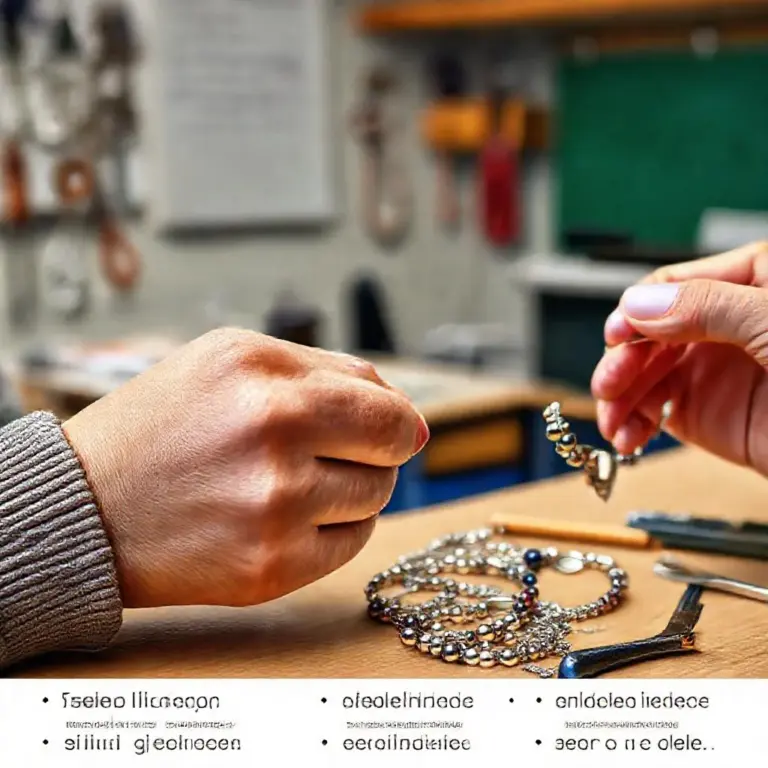
- Wire Wrapping: Essential for securing beads or forming simple loops. This requires precision pliers and careful tension control.
- Soldering (Advanced Classes Only): Joining metal pieces permanently, often used when working with sterling silver components.
- Texturing and Stamping: Using small hammers or stamps to add unique surface details to metal blanks.
- Finishing and Polishing: Learning to use buffing compounds and polishing cloths to bring out the final luster of your chosen metal.
- Clasp Attachment: Correctly installing jump rings, clasps (like lobster claws or toggle clasps), ensuring the bracelet is secure.
Visualizing the Process: A Demonstration
To better visualize the precision required, especially when working with fine wires, observe this demonstration focusing on basic jewelry assembly:
Watching the flow of creation helps set realistic expectations for the pace of your own session.
Duration and Difficulty Levels: Finding Your Perfect Fit
Workshops are structured to accommodate tight travel schedules while delivering meaningful results. The Step-by-Step Bracelet-Making Experience: Techniques taught, materials used (sterling vs. silver-plated), class duration and difficulty levels varies widely.
| Duration | Typical Difficulty | Focus & Outcome |
|---|---|---|
| 1 – 2 Hours | Easy/Beginner | Assembling pre-made components, simple beading, or basic wire wrapping. Great for quick souvenirs. |
| 3 – 4 Hours | Intermediate | Introduction to basic metal shaping, soldering (optional), working with sterling wire, creating a custom clasp. |
| Full Day (6+ Hours) | Advanced/In-Depth | Comprehensive study of a specific technique (e.g., silversmithing or complex filigree). Often requires booking in advance. |
Difficulty Assessment
Difficulty is usually tied to the material. A simple beaded bracelet using silver-plated findings is low difficulty. Crafting a sturdy, hand-formed sterling silver bangle involves higher difficulty due to the hardness of the metal and the need for specialized heating/shaping equipment.
Location Spotlight: Where to Find the Best Workshops
While available in major hubs, certain cities are famous for their jewelry traditions. If you are planning your trip around this activity, consider these locations:
- Chiang Mai: The historical center for Thai silverwork. Workshops here often have deeper roots in traditional techniques.
- Bangkok: Offers modern, accessible studios, often located near major shopping centers, focusing on contemporary design and faster turnaround times.
- Phuket/Krabi: Smaller, boutique studios catering to resort guests, usually focusing on simple, fast projects using plated or semi-precious stones.
To find a highly-rated studio near your accommodation in Bangkok, you can check local activity booking platforms. Explore local artisan experiences in Bangkok for inspiration.
คำถามที่พบบ่อย (FAQ)
Frequently Asked Questions About Thai Bracelet Making
1. Do I need to bring my own tools for the bracelet-making workshop?
No. Reputable workshops provide all necessary tools, including pliers, mandrels, polishing cloths, and safety equipment. You only need to bring your creativity and perhaps a design idea!
2. Is the jewelry I make safe to wear immediately after the class?
Yes, for most basic techniques (wire wrapping, beading). If soldering is involved, the instructor will ensure the piece is completely cooled and cleaned before you leave. Pieces made with silver-plated materials are generally safe for immediate wear, though prolonged exposure to water should be limited.
3. How much does a typical bracelet-making class cost in Thailand?
Costs vary significantly. A short, 1-2 hour experience using silver-plated components might range from 800–1,500 THB. A half-day workshop focusing on sterling silver techniques can cost between 2,500–4,500 THB, often including the material cost.
4. Can I bring my own gemstones or beads to incorporate?
Generally, yes, but you must confirm with the studio beforehand. Most studios have an extensive selection of high-quality local stones (like sapphires or quartz) for purchase, but if you have sentimental items, instructors are usually accommodating, especially in private sessions.
Conclusion: Crafting Your Thai Journey
Engaging in a Step-by-Step Bracelet-Making Experience: Techniques taught, materials used (sterling vs. silver-plated), class duration and difficulty levels is a profoundly rewarding way to connect with Thailand’s rich artisanal heritage. By understanding the materials and committing to the process, you will take home a piece of wearable art that tells your unique travel story. Happy crafting!
References
For further reading on Thai silver traditions:
- A Brief History of Chiang Mai Silverwork
- Gemological Institute of America: Understanding Silver Jewelry Markings
- Wua Lai Silver Workshops 2025: Make Your Own Bracelet — Complete Visitor Guide for Chiang Mai Craft Experiences
- What to Expect at Wua Lai Silver Workshops: Types of bracelets, class formats, prices, and opening hours
- How to Book and Prepare: Reservations, language options, what to bring, and travel directions from Chiang Mai city center