How to Book Local Guide Services, Instructors, and Safety Packages at Crazy Horse (Rates, Certifications, and What’s Included)
- How to Book Local Guide Services, Instructors, and Safety Packages at Crazy Horse (Rates, Certifications, and What’s Included)
- Understanding Crazy Horse Buttress: Location & Vibe
- The Essential Guide: How to Book Local Guide Services, Instructors, and Safety Packages at Crazy Horse
- Comprehensive Package Breakdown: Rates and Inclusions
- Certification Matters: Ensuring Quality Instruction
- Visualizing Your Climb
- Practical Tips for First-Time Visitors
- คำถามที่พบบ่อย (FAQ)
Welcome to the heart of Northern Thailand’s adventure scene! For seasoned climbers and curious beginners alike, Crazy Horse Buttress near Chiang Mai represents an accessible yet challenging outdoor paradise. Navigating the logistics—especially securing trustworthy instruction and safety gear—can seem daunting. This comprehensive guide provides exactly what you need to know on How to Book Local Guide Services, Instructors, and Safety Packages at Crazy Horse, ensuring your Thai climbing expedition is both thrilling and secure.
Understanding Crazy Horse Buttress: Location & Vibe
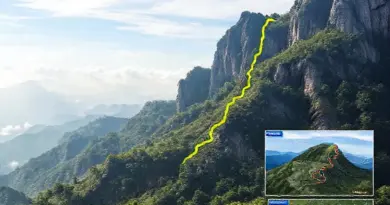
Crazy Horse Buttress (CHB) is renowned globally for its high-quality limestone sport climbing routes. Located about 45 minutes outside of Chiang Mai city center, it offers hundreds of bolted routes suitable for all levels, from easy top-roping perfect for introductory courses to challenging multi-pitch lead climbs.
Getting There from Chiang Mai City
While the site is accessible, transportation logistics are key. Most reputable guiding companies include round-trip transport from your Chiang Mai accommodation as part of their package. If you opt for independent travel, hiring a private taxi or using ride-sharing apps (if available that far out) is necessary. A local guide service handles this complexity, offering a seamless transition from hotel to cliff face.
The Essential Guide: How to Book Local Guide Services, Instructors, and Safety Packages at Crazy Horse
Securing your spot correctly is paramount for safety and enjoyment. The quality of your experience hinges entirely on the professionalism of the service you choose. To successfully book How to Book Local Guide Services, Instructors, and Safety Packages at Crazy Horse, follow these expert-recommended steps.
Identifying Reputable Providers and Certifications (E-E-A-T Focus)
As a seasoned observer of Thailand’s adventure tourism sector, I stress due diligence. Look beyond flashy websites. A trustworthy provider will openly list the certifications held by their lead instructors. While Thailand has its own standards, look for internationally recognized qualifications such as PCIA (Professional Climbers International Association), AMGA (American Mountain Guides Association), or IFMGA certifications among their senior staff. Expertise means they understand risk management specific to tropical environments and limestone rock quality.
The Booking Process: Step-by-Step Guide
- Determine Your Level: Are you a complete novice (requiring top-rope instruction) or an experienced lead climber needing access to advanced routes?
- Inquire About Guide Ratios: For beginners, insist on a maximum client-to-guide ratio of 3:1 for safety and personalized attention.
- Verify Gear Quality: Ask if the rental gear (ropes, harnesses, helmets) is routinely inspected and within its service life.
- Confirm Inclusions: Ensure transport, lunch/water, and required entrance fees are explicitly itemized in the quote.
- Secure Reservation: Most operators require a deposit (usually 25-50%) via bank transfer or PayPal to confirm the booking, especially during peak season (November–February).
Comprehensive Package Breakdown: Rates and Inclusions
Pricing varies based on group size, duration, and the instructor’s seniority. Here is a general overview of what you can expect when budgeting for your day at CHB.
Introductory/Beginner Packages (Top Rope Focus)
| Service Type | Estimated Rate (THB) | Typical Duration |
|---|---|---|
| Half Day Intro Course (1:1 or 1:2) | 1,200 – 1,800 | 4 Hours |
| Full Day Intro Course (Group) | 1,500 – 2,500 | 8 Hours |
Advanced Guiding and Lead Climbing Options
For experienced climbers looking to tackle the harder routes or learn lead climbing/trad skills, prices are generally higher due to the specialized expertise required of the guide. Expect to pay 2,500 THB and upwards per person for specialized lead guiding.
Crucial Safety Packages: What Must Be Included
A dedicated safety package is non-negotiable. It should cover more than just the rope. Ensure the provider includes liability insurance coverage for their operations in Thailand, detailed emergency communication plans (cell service can be spotty), and provision for high-quality, properly fitted personal protective equipment (PPE).
Certification Matters: Ensuring Quality Instruction
The instructor’s certification reflects their commitment to standardized, internationally recognized safety protocols. When you inquire about How to Book Local Guide Services, Instructors, and Safety Packages at Crazy Horse, ask directly about the lead instructor’s credentials.
Local Thai guides often combine local knowledge with certifications earned abroad. This blend is often the best possible combination for navigating the specific rock conditions at CHB while adhering to global best practices. Never compromise on instructor experience, even if it means paying slightly more for a fully certified professional.
Visualizing Your Climb
To give you a better sense of the environment and the professionalism of the guiding operations, view this short feature on climbing in the region. This visual context helps set expectations for your adventure.
Practical Tips for First-Time Visitors
Beyond booking, preparation is crucial. Wear light, breathable clothing—even in the cooler months, the humidity is significant. Bring plenty of water or ensure your guide package includes substantial hydration. Finally, remember that climbing here is generally done in a friendly, community atmosphere. Be respectful of the local guides, the environment, and fellow climbers.
คำถามที่พบบ่อย (FAQ)
We address the most common queries regarding logistics and safety before you finalize your booking.
References
For further verification on local guiding standards and safety protocols, consult recognized local climbing community resources.
- Chiang Mai Climbing Community Official Resources
- Professional Climbers International Association Standards