What Is a Hot Stone Massage? Technique, Benefits, Ideal Candidates, and Typical Duration in Chiang Mai
- What Is a Hot Stone Massage? Technique, Benefits, Ideal Candidates, and Typical Duration in Chiang Mai
- Understanding the Core: What is a Hot Stone Massage?
- The Technique: How is a Hot Stone Massage Performed?
- The Profound Benefits of Hot Stone Therapy
- Ideal Candidates for a Hot Stone Massage in Chiang Mai
- Typical Duration and Cost Expectations in Chiang Mai
- Experiencing the Calm: Finding Your Spa in Chiang Mai
- Conclusion: A Must-Try Wellness Treatment
- คำถามที่พบบ่อย (FAQ)
For travelers seeking deep relaxation amidst the cultural wonders of Northern Thailand, discovering authentic wellness treatments is essential. If you’ve ever wondered What Is a Hot Stone Massage? Technique, Benefits, Ideal Candidates, and Typical Duration in Chiang Mai, you’ve come to the right place. This ancient therapy, combining the warmth of basalt stones with skilled massage techniques, offers profound relief and is a highlight of the spa scene here in Chiang Mai.
Understanding the Core: What is a Hot Stone Massage?
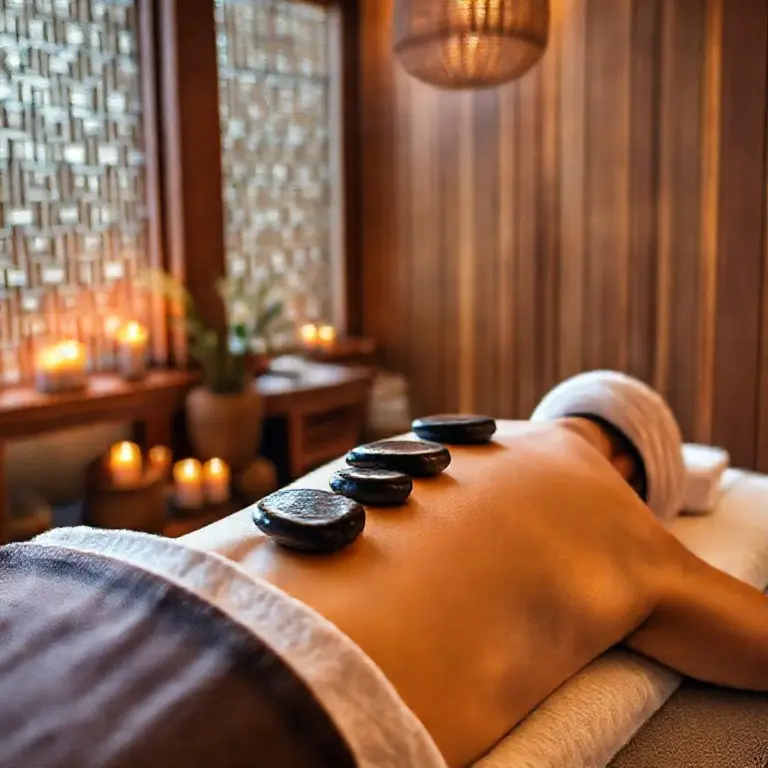
A hot stone massage, often referred to as ‘Basalt Hot Stone Therapy,’ is a specialized form of Swedish massage that utilizes smooth, heated stones. These stones, typically made of basalt—a volcanic rock that retains heat exceptionally well—are the stars of the show. The therapist strategically places the stones on specific points of the body, often along the spine, in the palms, or between the toes, while also using them as an extension of their hands to massage muscles. The deep, penetrating heat melts away tension far more effectively than manual pressure alone. This treatment is particularly popular in Chiang Mai’s serene spa environments, offering a perfect antidote to travel fatigue.
The Science Behind the Warmth
The effectiveness of hot stone therapy is rooted in basic physics and physiology. Heat naturally causes vasodilation—the widening of blood vessels. When heat is applied to the skin, blood flow increases to the treated area. This enhanced circulation brings more oxygen and nutrients to tight muscles, helping them relax and release toxins more efficiently. Furthermore, the weight and warmth of the stones provide a deep, sustained pressure that is often perceived as less intense than deep tissue kneading, making it profoundly soothing for those sensitive to vigorous manipulation.
The Technique: How is a Hot Stone Massage Performed?
The ritual of a hot stone massage in a professional Chiang Mai spa follows a distinct, careful procedure to ensure safety and maximum benefit. Therapists are highly trained in both massage technique and stone temperature management.
Preparation and Placement
First, the stones are heated in a specialized water bath, typically maintained between 110°F and 130°F (43°C to 54°C). Before contact, the therapist always tests the temperature on their own skin—and the client’s—to ensure safety. The session usually begins with the client lying prone (face down). Several warmed stones are placed along key energy points, such as the paravertebral muscles alongside the spine, the palms, or the sacrum. These static placements are allowed to sit for several minutes to initiate deep muscle relaxation.
The Massage Phase
Once the initial heat has penetrated, the therapist begins the active massage. They use the heated stones, often coated lightly with massage oil, to glide over the muscles using long, sweeping strokes, circular movements, and kneading techniques. The weight of the stone provides the pressure, allowing the therapist to work deep into connective tissue without causing discomfort. If the client desires more targeted work, the therapist might alternate between using the warm stones and their hands, incorporating elements of traditional Thai or deep tissue massage if appropriate for the setting.
The Profound Benefits of Hot Stone Therapy
The combination of heat, pressure, and skilled touch yields numerous therapeutic rewards, making it a highly sought-after experience for tourists seeking genuine restoration.
- **Deep Muscle Relaxation:** The heat penetrates up to three centimeters deep, relaxing muscle fibers and reducing chronic stiffness often associated with long flights or extensive sightseeing.
- **Stress and Anxiety Reduction:** The steady warmth and rhythmic strokes calm the nervous system, promoting deep meditative states and significantly lowering cortisol levels.
- **Improved Circulation:** Increased blood flow aids in the removal of metabolic waste products and promotes cellular regeneration.
- **Pain Management:** It can temporarily alleviate symptoms associated with conditions like fibromyalgia, arthritis, and general muscle soreness without heavy manual pressure.
Ideal Candidates for a Hot Stone Massage in Chiang Mai
While widely beneficial, this treatment isn’t suitable for everyone. Knowing if you are an ideal candidate ensures you maximize your spa experience.
When to Avoid Hot Stone Therapy
Contraindications are important for your safety. You should generally avoid this treatment if you have: high blood pressure, heart conditions, diabetes, are pregnant, have sensitive skin, or are prone to blood clots. Always consult with your doctor and inform your Chiang Mai spa therapist of any existing medical conditions.
Typical Duration and Cost Expectations in Chiang Mai
The length of a hot stone massage session can vary widely depending on the spa, the therapist’s style, and what you book, but standard times are usually consistent across high-quality establishments in the Old City or Nimman area.
Session Lengths
Most reputable spas offer three primary durations:
- 60 Minutes: This is the standard minimum duration. It allows enough time for stone placement, initial heat saturation, and a focused massage on the back, neck, and legs.
- 90 Minutes: Highly recommended. This allows the therapist to cover the entire body—front and back—with ample time for deep, unhurried stone work on major muscle groups.
- 120 Minutes: A luxurious option often paired with an aromatherapy element or a brief head/foot massage to complete the holistic experience.
Cost Considerations
Prices in Chiang Mai are generally excellent value compared to Western standards. A 60-minute hot stone massage can range from 800 THB to 1,500 THB in mid-range to high-end resorts. Luxury hotel spas might charge upwards of 2,500 THB for a 90-minute session. Always check reviews regarding the therapist’s expertise when comparing prices.
Experiencing the Calm: Finding Your Spa in Chiang Mai
Chiang Mai is a hub for wellness, offering everything from traditional Thai massage schools to world-class contemporary spas. When seeking out your hot stone experience, look for locations that emphasize hygiene and specialized training. Consider exploring options near the Chiang Mai Old City temples for historical ambiance or the Nimmanhaemin area for modern luxury.
A Recommended Location Example
For those looking for a highly rated, authentic experience that incorporates high standards of hygiene and technique specific to stone therapy, research spas known for their international certifications.
Enhancing Your Experience with Video Guide
To give you a visual sense of the tranquility and technique involved, here is a short video demonstration of a relaxing hot stone therapy session.
Conclusion: A Must-Try Wellness Treatment
The hot stone massage is more than just a luxury; it is a therapeutic tool that leverages natural elements to achieve profound relaxation. When visiting Chiang Mai, allocating time for this treatment is an investment in your overall well-being, ensuring you leave the Lanna Kingdom feeling completely rejuvenated and ready for your next adventure. Mastering the knowledge of What Is a Hot Stone Massage? Technique, Benefits, Ideal Candidates, and Typical Duration in Chiang Mai allows you to book confidently and enjoy the full spectrum of Thai wellness culture. (Note: Heart-broken icon used ironically to signify that the stress is gone!)
คำถามที่พบบ่อย (FAQ)
Generally, no. The heat from the stones warms the muscle tissue, allowing the therapist to achieve deep relaxation without the sharp, sometimes painful pressure associated with manual deep tissue work. However, if the stones are too hot, it can feel uncomfortable, so communication is vital.
The stones are kept in a warmer and are continuously swapped out by the therapist to maintain optimal temperature. While the initial placement provides the deepest heat saturation, the stones used actively during the massage maintain a consistent warmth throughout the session.
Yes, they are very different. Traditional Thai massage involves stretching, deep pressure applied with hands, knees, and feet, and is performed on a mat fully clothed. Hot stone massage is typically performed using oil on bare skin, relying on the external heat of the stones for penetration rather than dynamic stretching.
References
- American Massage Therapy Association (AMTA) Resources on Heat Therapy
- Review of Thermotherapy in Pain Management
- Hot Stone vs Herbal Compress 2025: Which Chiang Mai Massage Should You Book — Benefits, Differences, Prices, and Where to Go
- What Is a Herbal Compress Massage? Ingredients, Healing Traditions, Benefits, and Who Gains the Most
- Hot Stone vs Herbal Compress — Side Effects, Safety Considerations, and Contraindications for Travelers