Chinatown Food at Warorot: Must-Try Dishes, Street-Stand Recommendations, Local Cafés, Dietary Options & Best Times for Food Crawls
- Chinatown Food at Warorot: Must-Try Dishes, Street-Stand Recommendations, Local Cafés, Dietary Options & Best Times for Food Crawls
- The Essential Warorot Food Crawl: Must-Try Dishes
- Street-Stand Recommendations: Navigating the Alleys
- Local Cafés and Heritage Eateries
- Dietary Options: Navigating Vegetarian and Halal Needs
- Best Times for Food Crawls at Warorot
- Experiencing the Vibe: Beyond the Plate
- คำถามที่พบบ่อย (FAQ)
- What is the difference between Warorot Market and the Night Bazaar?
- Is haggling acceptable at the food stalls in Warorot Chinatown?
- What is the best way to get to Warorot Market?
Welcome to Chiang Mai’s culinary heart! While many visitors flock to the Night Bazaar, true gastronomic adventurers know the real treasure lies near the Ping River: Warorot Market (Kad Luang) and its adjacent Chinatown. Exploring the Chinatown Food at Warorot offers an unparalleled glimpse into Chiang Mai’s diverse heritage, blending authentic Northern Thai flavors with rich Chinese culinary traditions. This guide is your definitive map for navigating the stalls, tasting the best, and timing your visit perfectly.
Warorot Market isn’t just a place to buy produce; it’s a living, breathing testament to Chiang Mai’s history as a trading hub. The area surrounding the main market building, often referred to locally as Chinatown, is where generations of Chinese immigrants settled, establishing the foundational tastes that define the city’s street food scene today. Prepare your palate for an authentic, budget-friendly adventure!
The Essential Warorot Food Crawl: Must-Try Dishes
To conquer the Chinatown Food at Warorot, you need a targeted list. Forget the tourist traps; these are the local favorites that keep the community coming back.
Savory Delights: Noodles, Meats, and Dim Sum
The fusion of Lanna and Chinese tastes shines brightest in these staple dishes:
- Khao Soi (Northern Curry Noodles): While found everywhere, the local Warorot versions often boast richer broth and perfectly crisp noodles. Look for stalls near the main market entrance.
- Salapao (Steamed Buns): The Chinese influence is strong here. Seek out large, fluffy buns filled with savory pork (Moo Daeng) or sweet custard.
- Dim Sum & Siu Mai: Smaller, dedicated stalls often serve freshly steamed dim sum early in the morning. Perfect for a quick, protein-packed bite.
- Pork Leg Stew (Khao Kha Moo): Slow-cooked until meltingly tender, served over rice with pickled mustard greens. A hearty, must-have lunch item.
Sweet Endings: Desserts and Snacks
Don’t leave without satisfying your sweet tooth. Warorot is famous for its traditional sweets.
- Khanom Krok (Coconut Pancakes): Cooked in a specialized pan, these sweet, slightly crispy cups are addictive.
- Luuk Chup (Mung Bean Pastry): Artistically shaped and colored to resemble miniature fruits and vegetables. A beautiful, traditional snack.
- Chinese Desserts (Tong Sui): Look for sweet soups, often featuring black sesame, red beans, or sweet potato in ginger broth.
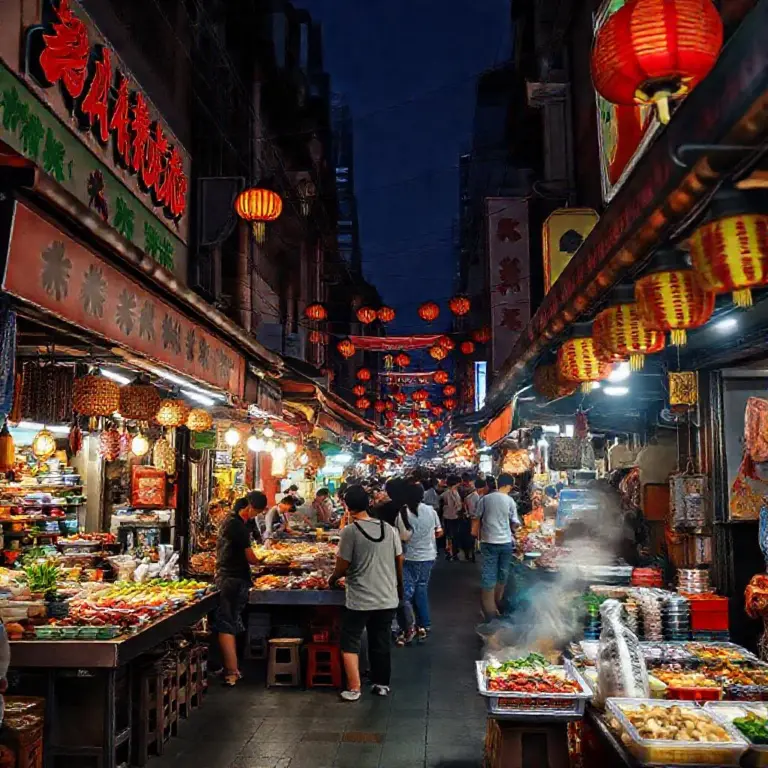
The best experience for Chinatown Food at Warorot happens on the pavement. The density of competition forces vendors to maintain incredibly high quality and authenticity.
Pro Tip for Street Food Hunters
Follow the lines! If a stall is packed with locals (especially older residents), you have found a genuine gem. Don’t be afraid to point and smile if you don’t speak Thai; the food will speak for itself.
While specific stalls change frequently, focus your search on the side streets immediately west of the main Warorot Market building and along Charoen Muang Road. These smaller lanes are where you find the specialized, single-item vendors who have perfected their craft over decades.
The Early Bird Gets the Best Dim Sum
Many of the best Chinese breakfast and snack vendors begin packing up by 11:00 AM. If you want the freshest Siu Mai or the best steamed buns, you must arrive before the main tourist crowds.
Local Cafés and Heritage Eateries
Beyond the blazing woks of the street food vendors, the Warorot area hosts several historic cafes serving strong coffee and traditional Chinese tea, offering a perfect respite from the midday heat.
| Establishment Type | Atmosphere | Must Try |
|---|---|---|
| Traditional Coffee Shop | Old-school, tiled floors, strong Oliang (iced black coffee) | Dark Roast Coffee with Condensed Milk |
| Chinese Tea House | Quiet, focus on rare Oolongs and Pu’er | Pu’er Tea Ceremony (if available) |
| Heritage Bakery | Selling classic Chinese sponge cakes and egg tarts | Egg Tarts (Tart Kai) |
These established spots offer a moment of calm reflection on the culinary journey through the Chinatown Food at Warorot. They often serve as community hubs, providing a deeper cultural connection than a quick street snack.
While the primary focus is pork and seafood, Chiang Mai is highly accommodating. Finding vegetarian and Halal options requires a bit more strategy but is certainly achievable.
Vegetarian (Jay) Food
Look for the yellow and red flags bearing the Thai character เจ (Jay). These stalls strictly avoid meat, poultry, fish, eggs, and often garlic/onions. You can often find vegetarian versions of noodles, stir-fries, and even mock meats near the periphery of the main market, catering to Buddhist festival needs.
Halal Considerations
True Halal certification is less common directly inside the Warorot Chinatown area, which historically focuses on Chinese pork dishes. However, the surrounding areas of Chiang Mai, particularly towards the east of the Ping River, have excellent Halal Thai-Muslim restaurants. For the Warorot area itself, stick to dishes that are naturally Halal, such as rice dishes or fresh fruit stalls, or confirm preparation methods directly with vendors.
Best Times for Food Crawls at Warorot
Timing is everything when experiencing the full spectrum of Chinatown Food at Warorot.
- Morning Rush (7:00 AM – 10:00 AM): Best for Chinese breakfast—Dim Sum, Salapao, fresh soy milk, and strong coffee. The market is buzzing with local commerce.
- Lunch Window (11:00 AM – 1:00 PM): Ideal for hearty meals like Khao Kha Moo and fresh noodles. Be prepared for peak heat.
- Evening (5:00 PM Onwards): While the main indoor market closes, the surrounding street food scene comes alive again, focusing more on snacks, desserts, and ready-to-eat Northern Thai dishes for dinner takeout.
To truly immerse yourself, plan a two-part visit: a morning run for the steamed goods and coffee, followed by an afternoon return for fresh fruit and desserts. This strategy ensures you catch the specialty vendors operating at their peak hours.
Experiencing the Vibe: Beyond the Plate
Warorot Market is more than just food; it’s a cultural anchor. Take time to explore the flower market nearby and the dried goods sections. This context enhances the appreciation for the food you are consuming.
For visitors looking to explore the general area, a short walk south leads you toward the famous Iron Bridge (Saphan Lek) over the Ping River, offering great photo opportunities, especially at sunset.
To give you a better visual sense of the vibrant atmosphere of Chiang Mai’s market districts, here is a helpful video guide:
Navigating the bustling stalls requires a bit of patience, but the reward is authentic, delicious, and incredibly affordable food. Enjoy your culinary expedition through Warorot’s historic Chinatown!
คำถามที่พบบ่อย (FAQ)
References
- Warorot Market (Kad Luang) 2025: The Ultimate Chiang Mai Chinatown Food, Fabric & Shopping Guide
- Top Things to Know First: Where Warorot Market Is, Best Times to Visit, Entry Tips & How to Get There from Chiang Mai Old City
- Fabric, Textiles & Tailoring in Kad Luang: Types of Fabrics, How to Bargain, Custom Tailor Workflow, Prices & Shipping Tips