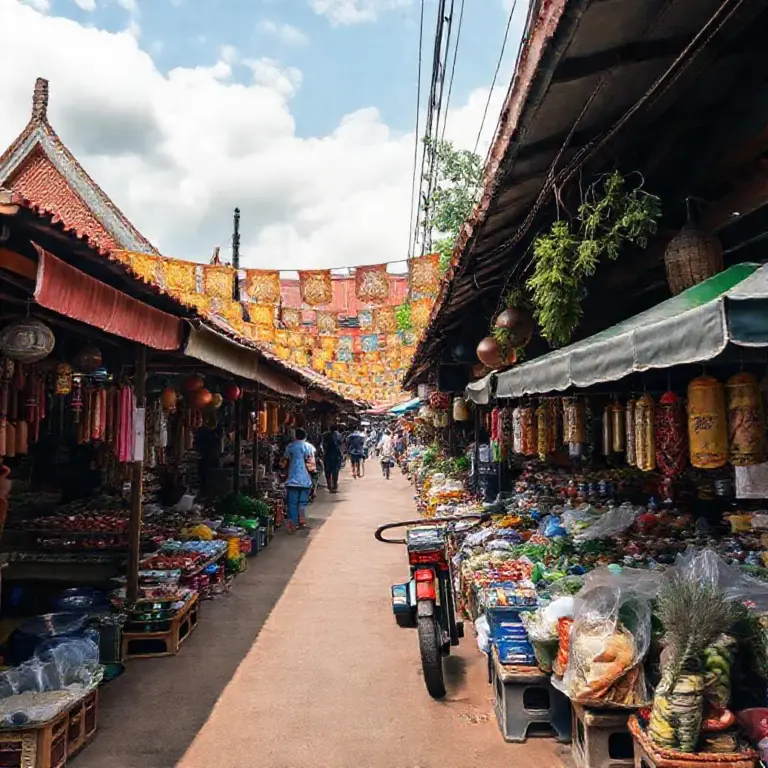
Top Things to Know First: Where Warorot Market Is, Best Times to Visit, Entry Tips & How to Get There from Chiang Mai Old City
- Top Things to Know First: Where Warorot Market Is, Best Times to Visit, Entry Tips & How to Get There from Chiang Mai Old City
- Understanding Warorot Market (Kad Luang)
- Where Warorot Market Is: Location Pinpoint
- Best Times to Visit Warorot Market for Different Experiences
- Essential Entry Tips for Navigating Warorot Market
- How to Get There from Chiang Mai Old City: Logistics Made Easy
- What to Buy at Warorot Market: A Local’s List
- คำถามที่พบบ่อย (FAQ)
Welcome, travelers! If you are exploring Chiang Mai, diving into the local life means visiting its heart: Warorot Market, affectionately known as Kad Luang. Navigating a massive, authentic local market can be daunting, but this guide covers the **Top Things to Know First: Where Warorot Market Is, Best Times to Visit, Entry Tips & How to Get There from Chiang Mai Old City** to ensure your experience is seamless and rewarding. As an expert in Thai travel logistics, I assure you, a trip here is essential for authentic souvenirs, fresh produce, and incredible street food.
Understanding Warorot Market (Kad Luang)
Warorot Market is not just a tourist stop; it is the bustling, breathing commercial center of Chiang Mai. It is where locals shop for daily necessities, fresh flowers, spices, and traditional northern Thai goods. The market is actually composed of several interconnected sections:
The Main Warorot Building (Kad Luang)
This is the primary structure, usually housing fresh produce, dried goods, herbs, and snacks. It’s a multi-story affair where the ground floor is dedicated to the freshest items, while upper floors often contain textiles or household goods.
Ton Lamyai Market (Flower Market)
Located right next to the main building, this section is famous for its incredible array of fresh flowers, especially orchids and jasmine garlands, which are used daily for offerings. It’s especially vibrant in the early morning.
Where Warorot Market Is: Location Pinpoint
Knowing the exact location is the first step to mastering your visit. Warorot Market is situated just east of the Ping River, outside the northeastern corner of the ancient city walls.
The Official Address and Landmarks
The market spans several blocks, but the main entrance is usually considered to be on Chang Moi Road. It is very close to the historic Wat Saen Fang temple. For navigation purposes, search for “Warorot Market” or “Kad Luang.”
Best Times to Visit Warorot Market for Different Experiences
The market operates most of the day, but timing dramatically affects the atmosphere, the crowds, and what goods are available. Here is a breakdown to help you plan the perfect time to visit.
For the Authentic Local Rush (Early Morning: 5:00 AM – 9:00 AM)
This is when the market truly wakes up. Vendors are setting up, receiving fresh deliveries of produce, and locals are doing their daily shopping. The Ton Lamyai Flower Market is at its peak beauty and activity. This is the best time for photography and experiencing raw, unfiltered commerce.
For Casual Browsing and Food Exploration (Mid-Morning to Lunch: 9:30 AM – 2:00 PM)
The intensity eases slightly, making navigation easier for tourists. This is the prime time to sample street food, particularly the famous *Sai Oua* (Northern Thai sausage) and local desserts. Wear comfortable shoes!
For Evening Souvenirs (Late Afternoon: 4:00 PM – 6:00 PM)
While the fresh produce sections start closing, the adjacent areas often transition into night markets selling clothing, souvenirs, and trinkets. This is a good time if you are focused more on shopping than grocery sourcing.
To maximize your enjoyment and respect local customs, keep these entry tips in mind. This knowledge is crucial for a smooth visit.
Dress Code and Respect
Since this is a working local market, dress modestly, especially if you plan to enter the nearby temples. Avoid overly revealing clothing. A simple pair of shorts and a t-shirt are fine for the main market aisles, but covering shoulders is always appreciated.
Bargaining Etiquette
Bargaining is expected for souvenirs and non-food items, but be polite. Start by offering 20-30% less than the asking price, but always keep a friendly smile. For food, prices are generally fixed.
Handling Money and Items
Carry small denominations of Thai Baht (20, 50, 100 baht notes) as many street vendors cannot break large bills. Keep your valuables secure; crowded markets are prime spots for opportunistic theft. A cross-body bag worn in front is recommended.
Sampling Food Safely
Follow the local lead. Choose vendors with high turnover and visible hygiene practices. If you are unsure, stick to freshly cooked items rather than pre-cut fruit that has been sitting out.
How to Get There from Chiang Mai Old City: Logistics Made Easy
The Old City is compact, and Warorot Market is easily accessible. Here are the most efficient methods to travel the short distance.
Walking (The Best Way to See the City)
If you are near the Tha Phae Gate (East Gate), walking is highly feasible. It typically takes 15 to 25 minutes, depending on your starting point within the walls. This allows you to soak in the atmosphere along the way. Explore Chiang Mai’s best walking routes here.
Songthaew (Red Trucks)
These shared taxis are iconic. Flag one down heading east or north. Be sure to confirm the price (usually 30-40 THB per person for this short hop) before getting in. Be prepared to share the ride!
Taxi or Ride-Sharing Apps (Grab)
For maximum convenience, especially in the heat, use Grab (Southeast Asia’s equivalent of Uber). The journey is very short, usually costing between 60-100 THB from the central Old City area. This is the most direct route.
To truly understand the market experience, we recommend watching a short video guide on navigating the local produce section:
What to Buy at Warorot Market: A Local’s List
Don’t leave without these Chiang Mai specialties:
- Dried Fruits & Nuts: Look for local longans and processed fruits.
- Northern Snacks: Pick up Chiang Mai sausage (Sai Oua) and crispy pork rinds (Khaep Mu).
- Souvenirs: Lower-priced textiles, silk scarves, and small wooden carvings compared to tourist night bazaars.
- Local Herbs and Spices: Essential for trying out Lanna cooking back home.
| Item | Best Section | Price Indicator (Per 100g) |
|---|---|---|
| Fresh Flowers | Ton Lamyai | Low |
| Sai Oua (Sausage) | Ground Floor Food Stalls | Medium |
| Textiles | Upper Floors | Variable (Bargain) |
คำถามที่พบบ่อย (FAQ)
Here are quick answers to the most common inquiries regarding a visit to Warorot Market.
1. Is Warorot Market open every day?
Yes, the main fresh market operates daily. However, the selection of goods can be slightly reduced on major Thai public holidays.
2. Can I use English at Warorot Market?
While many primary vendors do not speak fluent English, basic Thai phrases or pointing and using numbers are usually sufficient, especially when purchasing food or common items.
3. Is Warorot Market suitable for vegetarians?
Yes, there is a vast selection of fresh fruits, vegetables, tofu, and local sweets. However, many prepared dishes contain fish sauce or shrimp paste, so always ask specifically if you have strict dietary requirements.
4. How much money should I bring for a quick visit?
For sampling a few snacks and picking up small souvenirs, having 500-1000 THB in small notes is usually plenty for a successful trip.
References
For further reading on local Chiang Mai culture and markets, please see the following resources:
- Warorot Market (Kad Luang) 2025: The Ultimate Chiang Mai Chinatown Food, Fabric & Shopping Guide
- Chinatown Food at Warorot: Must-Try Dishes, Street-Stand Recommendations, Local Cafés, Dietary Options & Best Times for Food Crawls
- Fabric, Textiles & Tailoring in Kad Luang: Types of Fabrics, How to Bargain, Custom Tailor Workflow, Prices & Shipping Tips