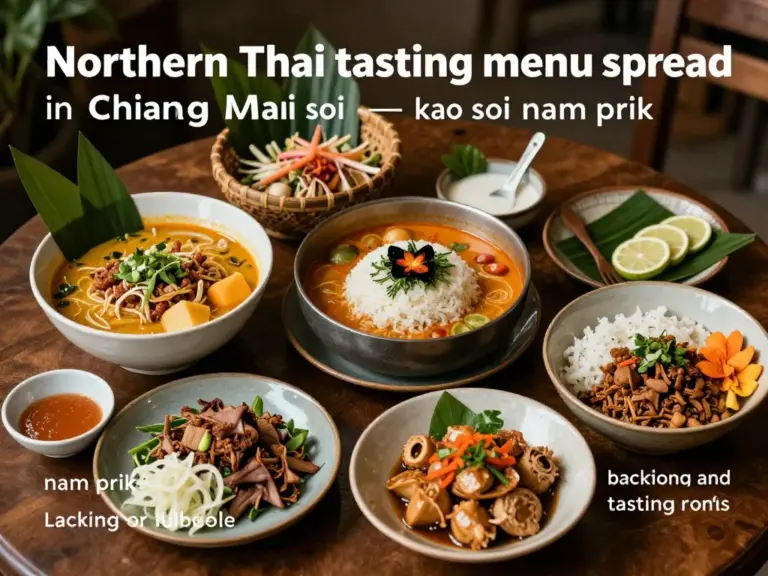
- Signature northern-inspired tasting menus to try in Chiang Mai: dishes, local ingredients, and tasting notes (khao soi, nam prik, Lanna specialties)
Chiang Mai, the cultural heart of Northern Thailand, is currently undergoing a culinary renaissance. While the city has always been famous for its vibrant street food and rustic markets, a new wave of chefs is elevating Lanna cuisine to the heights of fine dining. Exploring northern-inspired tasting menus to try in Chiang Mai is no longer just about a quick meal; it is an immersive journey through the mist-covered mountains, ancient traditions, and the complex flavor profiles of the North.
The Evolution of Lanna Flavors: From Street to Fine Dining
Traditional Northern Thai (Lanna) food is characterized by its earthy, bitter, and spicy notes, often omitting the coconut milk and sugar common in Central Thai cooking. In the context of a modern tasting menu, these bold flavors are refined using contemporary techniques like sous-vide, fermentation, and artistic plating. Chefs are focusing on hyper-local ingredients—such as forest-foraged mushrooms, wild honey, and indigenous herbs—to create a narrative that honors the land.
Signature Dishes and Tasting Notes
When indulging in a northern-inspired tasting menu, several iconic dishes serve as the backbone of the experience, reimagined for the discerning palate.
1. Deconstructed Khao Soi
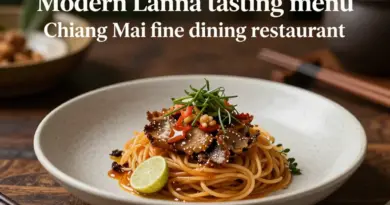
Perhaps the most famous Northern export, Khao Soi in a tasting menu might appear as a concentrated curry reduction paired with slow-cooked wagyu beef or smoked chicken. Tasting Notes: Look for a rich, aromatic profile of turmeric and cardamom, balanced by the sharp acidity of house-made pickled mustard greens and a squeeze of lime.
2. Nam Prik Variations (Relishes)
Nam Prik Ong (tomato and pork) and Nam Prik Num (roasted green chili) are often served as sophisticated amuse-bouches. In fine dining settings, these may be served with dehydrated rice crackers or seasonal organic crudités. Tasting Notes: Nam Prik Num offers a smoky, creeping heat, while Nam Prik Ong provides a savory-sweet umami punch from local cherry tomatoes.
3. Sai Oua (Northern Thai Sausage)
Usually a rustic sausage, chefs now present Sai Oua as a delicate terrine or a mousse. Tasting Notes: The dominant flavors are lemongrass, kaffir lime leaves, and galangal, providing a refreshing herbal finish that cuts through the richness of the pork.
The Importance of Local Ingredients
The soul of northern-inspired tasting menus to try in Chiang Mai lies in the sourcing. The Royal Project foundations and local organic farms provide a bounty of ingredients that are unique to the high altitudes of the North:
- Makwaen: A wild prickly ash berry that provides a numbing, citrusy spice similar to Sichuan peppercorns.
- Dau Doi: A local herb used to add depth and earthiness to soups and stews.
- Fermented Soybeans (Thua Nao): The “Lanna cheese” that adds a deep, savory complexity to many dishes.
Top Venues for Lanna Fine Dining
| Restaurant | Concept | Must-Try |
|---|---|---|
| Blackitch Artisanal Kitchen | Chef’s Table / Fermentation focus | Seasonal seafood with Northern herbs |
| Cuisine de Garden | Nature-inspired / Molecular | The “Nest” (Onsen egg with truffle) |
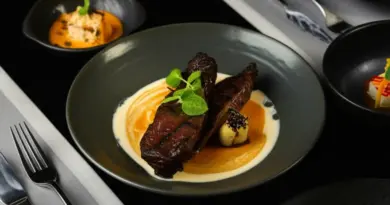
| The Service 1921 | Colonial / Secret Service theme | Braised beef cheek Khao Soi |
คำถามที่พบบ่อย (FAQ)
Tasting menus generally range from 1,500 to 4,500 THB per person, depending on the number of courses and the exclusivity of the ingredients.
While Northern food is known for heat, fine dining chefs usually balance the spice levels to ensure the delicate flavors of the ingredients are not overwhelmed. You can always request a milder version.
Do I need to dress up?
Smart casual is the standard. While Chiang Mai is more relaxed than Bangkok, showing respect for the culinary craft through your attire is appreciated.
References
Tourism Authority of Thailand
Michelin Guide Chiang Mai
- Chef’s Tables in Chiang Mai 2025: Northern-Inspired Menus, Top Chefs, and How to Book the Ultimate Dining Experience
- What defines a “chef’s table” in Chiang Mai in 2025? Trends, dining formats, and why Northern Thai cuisine is central
- Top chef profiles and kitchens behind Chiang Mai’s best chef’s tables in 2025: backgrounds, culinary philosophy, and reservation tips