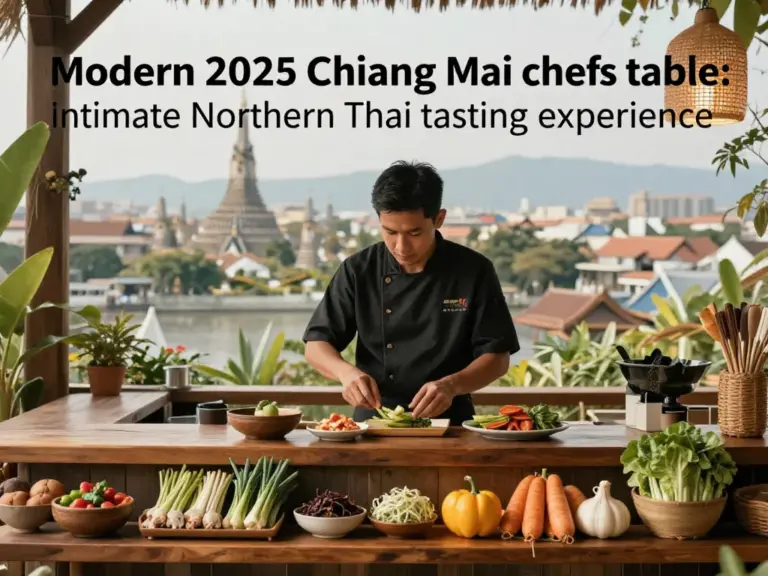
What defines a “chef’s table” in Chiang Mai in 2025? Trends, dining formats, and why Northern Thai cuisine is central
As we move into 2025, the culinary landscape of Northern Thailand is undergoing a sophisticated transformation. The chef’s table in Chiang Mai has evolved from a niche dining curiosity into a cornerstone of the region’s luxury tourism. No longer just a seat near the kitchen, the modern chef’s table in the Rose of the North represents a deep, intimate dialogue between the land, the season, and the chef’s personal heritage. This article explores the defining characteristics of these experiences and why Lanna (Northern Thai) flavors remain the beating heart of the movement.
The Evolution of the Chef’s Table in Chiang Mai
In 2025, a chef’s table in Chiang Mai is defined by exclusivity and storytelling. Unlike traditional restaurants where the menu is static, these venues often host fewer than 10 guests per session. The format has shifted toward ‘Micro-Regionalism’—where chefs focus not just on Northern Thailand, but on specific valleys or ethnic mountain tribes’ techniques. The interaction is key; guests aren’t just eating; they are learning about the fermentation of Thua Nao (fermented soybeans) or the specific altitude at which their wild honey was harvested.
Centrality of Northern Thai Cuisine (Lanna Soul)
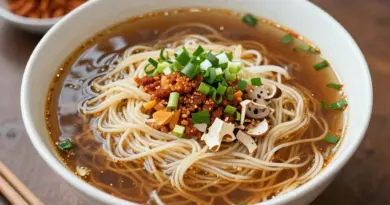
Why is Northern Thai cuisine central to the chef’s table in Chiang Mai? The answer lies in the complexity of its ingredients. Northern food relies heavily on bitter herbs, dried spices, and forest produce that require expert knowledge to balance. Chefs in 2025 are using the ‘Table’ format to deconstruct classics like Khao Soi or Gaeng Hung Lay, presenting them in multi-course tasting menus that highlight the sophistication of Lanna culinary arts which were once considered ‘rustic’.
Modern Dining Formats in 2025
We are seeing three distinct formats emerging this year:
1. The Garden Atelier: Dining in converted greenhouses or private orchards where the ingredients are picked minutes before serving.
2. Modern Lanna Shophouses: Refurbished heritage buildings in the Old City that blend mid-century aesthetics with avant-garde Thai cooking.
3. The ‘Secret’ Residence: Chefs opening their private homes to offer a truly domestic yet high-end experience.
| Feature | Traditional Dining | 2025 Chef’s Table |
|---|---|---|
| Interaction | Minimal (Waiter only) | High (Direct with Chef) |
| Menu | A La Carte | Surprise Tasting Menu |
| Ingredients | Commercial Sourcing | Hyper-Local / Foraged |
Sustainability and the Zero-Waste Movement
Sustainability is no longer an option but a requirement for a chef’s table in Chiang Mai. In 2025, the best tables are those that boast a zero-waste kitchen. This includes using ‘ugly’ vegetables in ferments and ensuring every part of the water buffalo or organic pig is utilized. This aligns with the traditional Northern Thai ethos of living in harmony with nature, repackaged for the modern, conscious traveler.
คำถามที่พบบ่อย (FAQ)
Q: How far in advance should I book a chef’s table in Chiang Mai?
A: Due to limited seating (often 6-12 seats), it is recommended to book at least 2-4 weeks in advance, especially for weekends.
Q: Is Northern Thai food at these tables very spicy?
A: While traditional Lanna food has heat, chef’s table experiences are curated. Chefs usually balance the spice levels to highlight the nuances of the herbs and ingredients.
Q: What is the average price range for a high-end chef’s table in 2025?
A: Prices typically range from 2,500 to 6,000 THB per person, excluding wine pairings.
References
- Chef’s Tables in Chiang Mai 2025: Northern-Inspired Menus, Top Chefs, and How to Book the Ultimate Dining Experience
- Signature northern-inspired tasting menus to try in Chiang Mai: dishes, local ingredients, and tasting notes (khao soi, nam prik, Lanna specialties)
- Top chef profiles and kitchens behind Chiang Mai’s best chef’s tables in 2025: backgrounds, culinary philosophy, and reservation tips