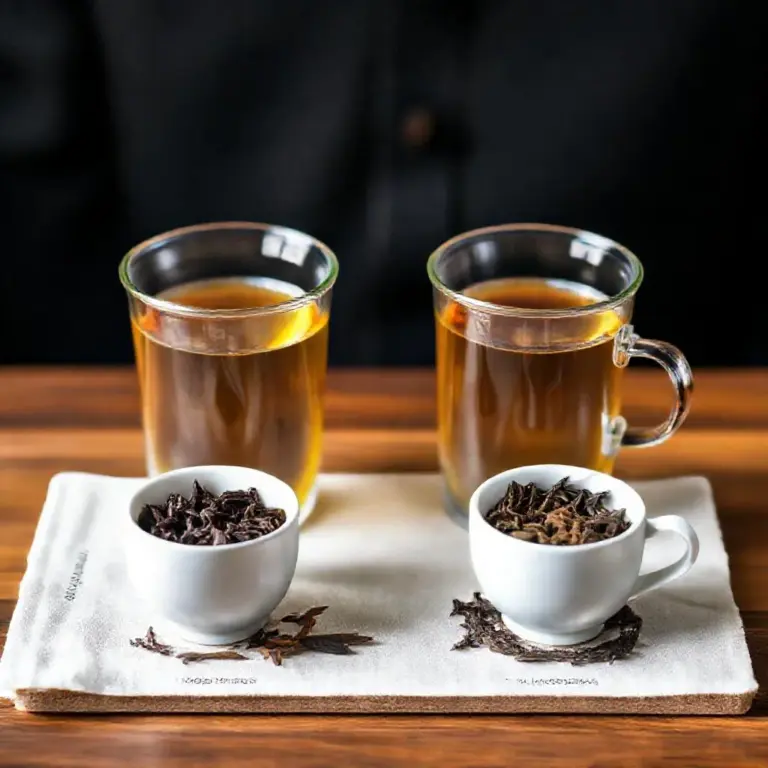
How Tea Tasting at Araksa Works: Varieties, tasting steps, and how to tell quality Assam and Oolong from the hill garden
- How Tea Tasting at Araksa Works: Varieties, tasting steps, and how to tell quality Assam and Oolong from the hill garden
- Understanding Araksa: A Pioneer in Thai Tea
- The Systematic Steps of Tea Tasting at Araksa
- Identifying Quality: Assam vs. Oolong from the Hill Garden
- Locating Your Tea Journey
- A Visual Guide to Tea Processing
- Conclusion: Savoring the Craftsmanship
- คำถามที่พบบ่อย (FAQ)
- What is the best time of day to visit Araksa Tea Garden for tasting?
- Is Araksa Tea Garden certified organic?
- How many steepings should I aim for during an Oolong tasting?
- Can I buy the teas I tasted directly at the garden?
Welcome to the verdant hills of Northern Thailand, a region increasingly recognized not just for its mountains, but for its world-class tea. For the discerning traveler interested in authentic Thai experiences, understanding **How Tea Tasting at Araksa Works: Varieties, tasting steps, and how to tell quality Assam and Oolong from the hill garden** is essential. Araksa Tea Garden, nestled near Chiang Mai, offers an immersive experience where heritage meets modern cultivation, making it the perfect place to hone your palate.
This guide will serve as your expert companion, detailing the specific process used at Araksa, the unique characteristics of their Assam and Oolong varieties, and the sensory benchmarks you should use to judge exceptional quality.
Understanding Araksa: A Pioneer in Thai Tea
Araksa Tea Garden is distinct because it cultivates tea using traditional, often organic, methods, focusing on the heritage of tea production rather than mass commercial output. They specialize in two main categories that showcase the diversity of the region: Assam-type black teas and various Oolong styles. The altitude, soil composition, and careful plucking techniques all contribute to the final cup profile.
The Varieties You Will Encounter
When you visit for a tasting session, you are likely to sample teas derived from different cultivars:
- Assam Cultivars (Black Tea): These are typically robust, malty, and full-bodied, often processed using orthodox methods that result in high-quality CTC or whole-leaf grades suitable for strong morning brews.
- Oolong Cultivars: Araksa produces a spectrum of Oolongs, ranging from lightly oxidized (closer to Green Tea) to heavily oxidized (closer to Black Tea). Expect floral, creamy, or roasted notes depending on the specific processing batch.
The Systematic Steps of Tea Tasting at Araksa
The tasting experience at Araksa is structured to engage all five senses, ensuring a comprehensive understanding of the tea. This methodical approach is fundamental to **How Tea Tasting at Araksa Works: Varieties, tasting steps, and how to tell quality Assam and Oolong from the hill garden**.
Step 1: Dry Leaf Examination (Sight & Smell)
Observe the appearance of the unbrewed leaves. High-quality teas should have consistent leaf size, good color saturation, and minimal dust or broken pieces (unless deliberately processed as CTC). Smell the dry leaves to catch initial aromatic hints—malty, grassy, or nutty.
Step 2: Wet Leaf Infusion (Aroma)
Once steeped, the aroma of the wet leaves (the ‘nose’ of the tea) is critical. High-quality Oolongs often release complex floral notes upon wetting, while premium Assam should smell deeply malty and sweet, not smoky or earthy.
Step 3: Liquor Examination (Sight)
Pour the steeped liquor into a light-colored cup. The color should be clear, bright, and vibrant. Assam should present a deep, coppery red or amber. Oolongs will range from pale gold to rich orange. Murky or dull liquor often indicates poor quality or over-processing.
Step 4: Palate Experience (Taste & Mouthfeel)
This is the core of the tasting. Sip the tea, allowing it to coat your entire mouth. Note the balance of flavor, the body (mouthfeel—is it thin or viscous?), and the finish.
Step 5: The Finish (Aftertaste)
A high-quality tea leaves a pleasant, lingering sensation on the palate. This is known as the ‘aftertaste’ or hui gan. It should be sweet or refreshing, not bitter, astringent, or dry.
Identifying Quality: Assam vs. Oolong from the Hill Garden
Distinguishing between excellent and average tea relies on specific quality markers tied to their processing. When you are learning **How Tea Tasting at Araksa Works**, focus on these unique indicators for their signature styles.
Quality Markers for Araksa Assam Black Tea
Araksa’s Assam, grown at elevation, should transcend the typical briskness of low-grown teas. Look for:
- Maltiness & Sweetness: A rich, chocolatey, or honey-like malt note, balancing any natural astringency.
- Liquor Clarity: The color must be bright coppery-red. Cloudiness suggests improper oxidation or storage.
- Leaf Integrity: Higher grades will feature more whole leaves or ‘tippy’ buds, which contribute to a smoother, less harsh flavor.
Quality Markers for Araksa Oolong Tea
Oolong quality is often harder to judge, as styles vary widely. At Araksa, look for complexity and definition:
- Floral Persistence: High-quality Oolongs maintain their primary aromatic signature (e.g., lilac, orchid, gardenia) through multiple steepings.
- Smoothness: Even heavily oxidized Oolongs should lack harsh bitterness. The mouthfeel should be silky or creamy.
- Leaf Rehydration: The steeped leaves should unfurl completely, revealing the original leaf structure, indicating careful rolling and drying.
Locating Your Tea Journey
To fully appreciate the context of your tasting, visiting the source is paramount. Araksa Tea Garden is located in the beautiful surroundings near Doi Suthep-Pui National Park, offering stunning views that complement the tranquility of the tea ceremony.
A Visual Guide to Tea Processing
To further enhance your understanding of the journey from leaf to cup, watch this video detailing the meticulous process that gives Araksa teas their distinctive character.
Conclusion: Savoring the Craftsmanship
Mastering **How Tea Tasting at Araksa Works** is about embracing mindfulness. It moves beyond simply drinking a beverage to appreciating the complex interplay of terroir, tradition, and skilled human intervention. Whether you prefer the bold character of their hill-grown Assam or the delicate perfume of their Oolong, applying these sensory steps will transform your next visit into an expert-level appreciation tour. Enjoy the quiet moments among the tea bushes!
คำถามที่พบบ่อย (FAQ)
References
- Araksa Tea Garden 2025: Ultimate Guide to Tea Picking, Tasting Tours, Pricing, and Travel Tips
- What to Expect on an Araksa Tea Picking Tour 2025 — schedule, seasonal availability, and what’s included
- Booking, Prices, and Group Options for 2025 — tickets, private tours, transport from Chiang Mai, and discounts