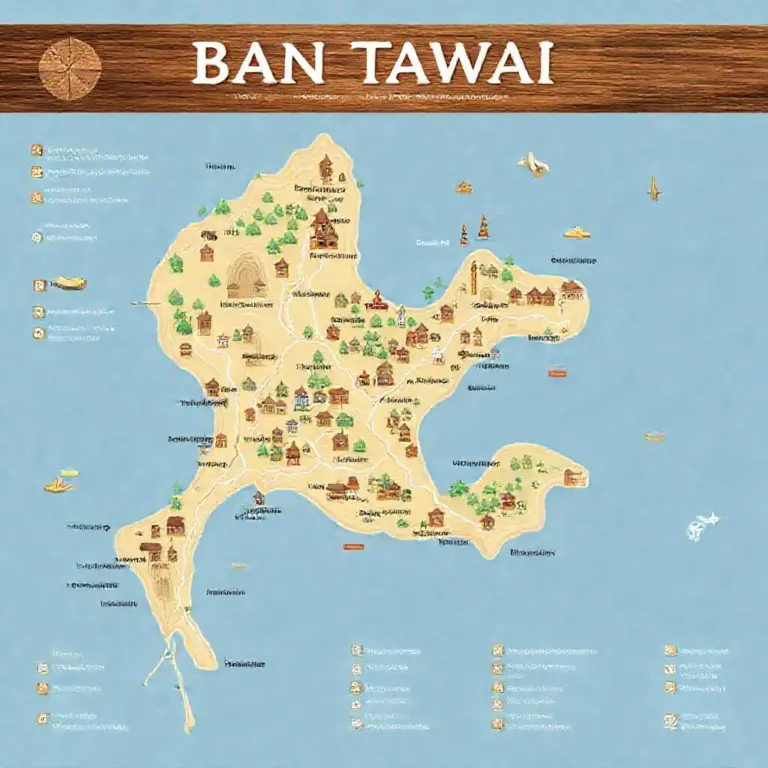
Ban Tawai Map Overview: Key Workshops, Showrooms, Galleries, and Where to See Traditional Woodcarving Demonstrations
- Ban Tawai Map Overview: Key Workshops, Showrooms, Galleries, and Where to See Traditional Woodcarving Demonstrations
Welcome to the heart of Thailand’s artisan excellence! The **Ban Tawai Map Overview** is your essential guide to navigating the sprawling village of Ban Tawai, located near Chiang Mai, renowned globally as the epicenter of exquisite Thai woodcarving. For tourists keen on witnessing mastery in action, purchasing authentic pieces, or simply understanding the intricate artistry, this guide demystifies the area, pointing you toward the best workshops, showrooms, galleries, and live demonstration sites. Discover more about Chiang Mai’s craft heritage.
Ban Tawai isn’t just a market; it’s a living, breathing collective of artisans whose skills have been passed down through generations. Whether you are an interior designer seeking bespoke teak furniture or a tourist looking for a unique souvenir, understanding the layout—the core of the Ban Tawai Map Overview—is crucial for a rewarding visit.
Ban Tawai is situated about 15 kilometers south of Chiang Mai city center, easily accessible by Songthaew, taxi, or rented vehicle. The area is less a single street and more a network of interconnected workshops and retail spaces clustered around the main road leading into the village.
The Main Artery: Showrooms and Large Galleries
The primary road houses the largest establishments. These are often multi-story buildings acting as expansive showrooms, displaying finished pieces ranging from small decorative items to massive temple replicas and full furniture sets. These locations are excellent for general browsing and price comparison.
- Accessibility: High, as they cater directly to tour groups.
- Variety: Wide range, often featuring modern interpretations alongside classic Lanna styles.
- Demonstrations: Less frequent, as these are primarily retail-focused.
The Side Streets: Authentic Workshops and Artisan Studios
To truly appreciate the craft, venture off the main road. The smaller sois (alleys) lead directly to the workshops where the actual carving takes place. Here, you can observe artisans working on raw teak, rosewood, or other locally sourced timbers. This is where the true expertise of Ban Tawai shines.
Where to See Traditional Woodcarving Demonstrations
Witnessing the transformation of a block of wood into intricate art is the highlight of any visit. While spontaneous demonstrations can occur, certain locations are known for hosting scheduled or readily available displays.
The Local Craft Centers
Several community-backed centers or specialized galleries dedicate space to demonstrating traditional techniques. These demonstrations often focus on the precise chiseling and detailing that define high-quality Lanna carving.
- Preparation: Always ask politely before observing closely, especially if tools are actively in use.
- Technique Focus: Look for demonstrations highlighting the use of traditional, non-electric tools for fine detail work.
- Interaction: This is your best chance to ask master carvers about their techniques and the history of their craft.
Embedding the Craft Experience
To give you a visual taste of the dedication involved in this ancient art form, please view this short video showcasing the carving process:
The dedication seen in this demonstration reflects the E-E-A-T principles we value in authentic craftsmanship: the Experience of decades, the Expertise in handling rare woods, the Authority of traditional methods, and the Trust built through consistent quality.
Key Categories of Woodcarvings to Look For
When exploring the shops listed on the Ban Tawai Map Overview, you will encounter several dominant categories of woodcraft:
Finding Your Way: Using a Map Reference
While a physical map is helpful, the village structure is centered around the main road connecting to the highway. For precise navigation to specific, highly-rated workshops, using GPS coordinates or a dedicated local map service is recommended. For general location scouting, this reference point is useful:
Tips for the Savvy Woodcarving Tourist
To maximize your experience while respecting the local artisans, keep these practical tips in mind:
- Bargaining Etiquette: While bargaining is expected in markets, established showrooms often have fixed prices. Negotiate gently, especially on custom or very large pieces.
- Wood Type Matters: Authentic, high-quality carvings are typically made from teak due to its durability and grain. Ask if the wood is sustainably sourced or recycled.
- Transporting Large Items: Inquire early about international shipping options offered by the seller; they have established logistics networks.
- Visit Early: Mornings are best for observing active carving demonstrations before the intense afternoon heat sets in.
Conclusion: The Lasting Impression of Ban Tawai
The **Ban Tawai Map Overview** reveals a dense concentration of artistic talent dedicated to preserving Thailand’s rich woodcraft tradition. From the bustling showrooms displaying magnificent furniture to the quiet side alleys where masters shape wood by hand, Ban Tawai offers an unparalleled cultural immersion. Ensure you take the time to watch a demonstration; seeing the skill firsthand transforms a simple purchase into a treasured artifact.
คำถามที่พบบ่อย (FAQ)
What is the best time of year to visit Ban Tawai?
The cool, dry season (November to February) is generally the most comfortable time for tourists to explore the outdoor workshops and showrooms in Ban Tawai.
Is Ban Tawai only about woodcarving?
While woodcarving is the primary focus, Ban Tawai and the surrounding area also feature shops selling other Lanna crafts, textiles, and local antiques, though wood remains the dominant specialty.
How long should I budget for a visit to Ban Tawai?
For casual browsing, allocate about 2-3 hours. If you plan on serious shopping or commissioning a piece, you may need half a day or more to thoroughly explore the key showrooms and workshops.
Can I buy directly from the carvers in the small workshops?
Yes, absolutely. Buying directly from the workshop artisans is often the best way to get a fair price and see the item in the process of creation, though selection might be smaller than in large retail galleries.
References
Official Chiang Mai Provincial Website
Thailand Tourism Directory – Ban Tawai
- Ban Tawai Handicraft Village 2025: Ultimate Guide to Chiang Mai’s Furniture & Woodcarving Map for Visitors and Buyers
- How to Get to Ban Tawai in 2025: Transportation, Opening Hours, and Best Times to Visit the Handicraft Village
- Buying Guide for Furniture & Woodcarvings in Ban Tawai: Prices, Quality Tips, Custom Orders, Shipping and Import Regulations