Best Local Thai Botanicals Used in Chiang Mai Spa Treatments in 2025
Welcome to the serene world of Northern Thai wellness. As we look toward the trends defining 2025, the Best Local Thai Botanicals Used in Chiang Mai Spa Treatments in 2025 are taking center stage, blending ancient Lanna traditions with modern holistic healing. Chiang Mai has long been the heart of Thai wellness, and this year, spas are deepening their connection to the earth by prioritizing indigenous, locally sourced ingredients that offer unparalleled therapeutic benefits.
Whether you are a seasoned spa enthusiast or planning your first wellness retreat, understanding these botanical treasures will transform your experience. From the golden hues of turmeric to the aromatic zest of kaffir lime, these plants are not just ingredients; they are the soul of the Lanna spa experience.
The Healing Power of Northern Thai Flora
Chiang Mai’s unique climate, nestled in the mountainous north, allows for the cultivation of potent herbs that thrive in cooler, high-altitude environments. In 2025, top-tier spas are moving away from synthetic products in favor of ‘farm-to-spa’ concepts. This shift emphasizes freshness, sustainability, and the raw potency of nature.
1. Phlai (Cassumunar Ginger)
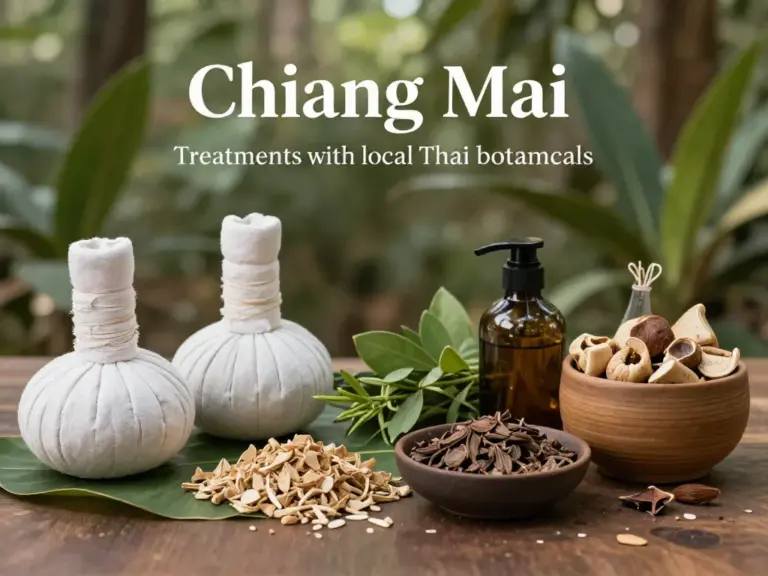
Often referred to as the ‘king of Thai massage herbs,’ Phlai is indispensable. It is a cousin to ginger but possesses a distinct, earthy aroma and powerful anti-inflammatory properties. In 2025, expect to see Phlai used extensively in herbal compresses (luk pra kob) to soothe aching muscles and reduce swelling after long days of exploring the temples of Chiang Mai.
2. Turmeric (Kamin Chan)
Turmeric is a staple in Northern Thai culture, celebrated not just in the kitchen but as a potent skincare agent. Rich in curcumin, it is used in body scrubs to brighten the skin, reduce acne, and provide a healthy, golden glow. Its antioxidant properties make it a favorite for anti-aging treatments.
3. Kaffir Lime (Makrut)
The Kaffir lime is renowned for its intense, refreshing scent that instantly calms the mind. In spa settings, the essential oils extracted from the peel are used in aromatherapy and steam baths. It is believed to cleanse the spirit and refresh the senses, making it an ideal ingredient for stress-relief packages.
The Traditional Lanna Spa Experience
The Best Local Thai Botanicals Used in Chiang Mai Spa Treatments in 2025 are often applied using techniques passed down through generations. The Lanna method of massage, combined with these fresh botanicals, creates a therapeutic synergy that is hard to replicate elsewhere.
| Botanical | Primary Benefit | Treatment Type |
|---|---|---|
| Phlai | Pain Relief | Herbal Compress |
| Turmeric | Skin Brightening | Body Scrub |
| Kaffir Lime | Stress Relief | Aromatherapy |
| Lemongrass | Detoxification | Steam Bath |
When you visit, look for spas that emphasize this holistic approach. They often incorporate local rituals, such as starting a session with a cleansing tea made from butterfly pea or pandan leaf, further grounding you in the local botanical culture.
คำถามที่พบบ่อย (FAQ)
What are the most popular botanicals in Chiang Mai spas?
The most popular botanicals include Phlai (Cassumunar Ginger), Turmeric, Kaffir Lime, and Lemongrass. These are widely used for their anti-inflammatory, detoxifying, and relaxing properties.
Why should I choose a spa that uses local ingredients?
Choosing a spa that uses local ingredients ensures you receive the freshest treatments, supports the local agricultural economy, and provides a more authentic, sustainable experience.
Are these botanical treatments safe for sensitive skin?
Most natural botanical treatments are gentle, but it is always recommended to inform your therapist of any allergies or skin sensitivities before starting your session.
When is the best time to visit Chiang Mai for spa treatments?
While spas are open year-round, the cool season (November to February) is particularly pleasant for enjoying outdoor spa facilities or hot herbal steam treatments.