Historical Highlights Along the Walls: Key Gates, Temples, and Monuments You’ll See on the Moat Walk
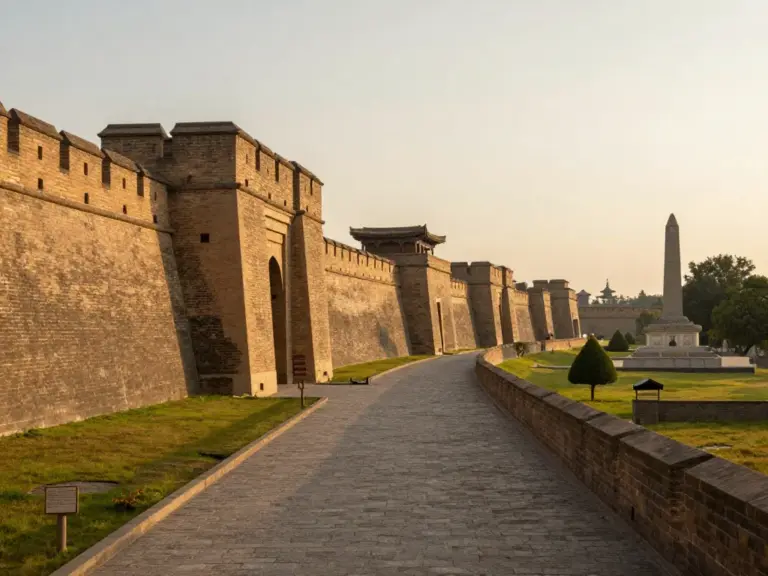
Stepping onto the path of the Moat Walk in Chiang Mai is like walking through a living history book. The ancient city walls, though partially weathered by time, stand as a testament to the strategic brilliance and cultural richness of the Lanna Kingdom. For travelers visiting Thailand, a stroll around this 6.5-kilometer square perimeter offers more than just exercise; it provides a profound connection to the spirits of the past. As you navigate the brickwork and greenery, you will encounter majestic gates, hidden bastions, and serene temples that have guarded this northern capital for over seven centuries.
The Strategic Significance of the Ancient Walls
Constructed in 1296 by King Mangrai, the walls and the surrounding moat were designed primarily for defense. The square shape reflects traditional cosmological beliefs, aligning the city with the cardinal directions. Each corner and gate was imbued with spiritual significance, meant to protect the inhabitants from both physical invaders and malevolent spirits. Today, while the modern city bustles around it, the Moat Walk remains a peaceful corridor where the legacy of the Lanna people is preserved in every stone.
Key Gates Along the Moat Walk
The gates are the most iconic landmarks you will encounter. Each has a unique story and a specific historical role:
- Tha Phae Gate (East): The most famous gate, once the main entrance for traders and diplomats. It is now the focal point for festivals and the Sunday Walking Street.
- Chiang Mai Gate (South): Known for its vibrant morning market, this gate traditionally served as the entry point for commoners and goods from the southern regions.
- Chang Phuak Gate (North): The ‘Elephant Gate,’ historically used by royalty. It is located near the monument of the two white elephants, symbols of the city’s protection.
- Suan Dok Gate (West): Named after the nearby ‘Flower Garden’ temple, this gate was the path to the royal gardens and the foothills of Doi Suthep.
Sacred Temples and Monuments
As you continue your Moat Walk, several significant religious sites appear just inside or outside the walls. One cannot miss the Three Kings Monument, located a short walk inward from the center of the northern wall. This bronze statue commemorates King Mangrai of Chiang Mai, King Ramkhamhaeng of Sukhothai, and King Ngam Muang of Phayao, who collaborated to found the city.
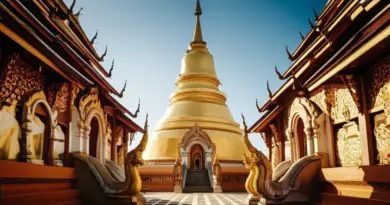
Near the Suan Dok Gate, you will find Wat Phra Singh, housing the highly revered Phra Singh Buddha image. Its classic Lanna architecture, featuring gilded wood carvings and intricate murals, is a highlight for any cultural enthusiast. The proximity of these temples to the walls highlights the inseparable bond between the city’s defense and its spiritual devotion.
Modern Life Meets Ancient History
The Moat Walk is not just a relic; it is a vibrant part of contemporary Chiang Mai. You will see locals jogging, street food vendors setting up near the gates, and pigeons flocking at Tha Phae. The contrast between the ancient red-brick bastions, such as the Katam Corner or Si Phum Corner, and the modern traffic flowing alongside the water creates a unique atmosphere that defines the city’s charm.
คำถามที่พบบ่อย (FAQ)
References
Tourism Authority of Thailand (TAT)
Official Chiang Mai Provincial Website