Where to See the Best Cherry Blossom Displays: Top Viewpoints, Photo Spots, and Nearby Attractions in Doi Suthep–Pui
- Where to See the Best Cherry Blossom Displays: Top Viewpoints, Photo Spots, and Nearby Attractions in Doi Suthep–Pui
Thailand’s northern mountains hide a spectacular secret: the annual bloom of the Himalayan Cherry, locally known as Phaya Sua Krong (Tiger King). If you are planning a trip focused on Thailand Tourism, witnessing these delicate pink flowers is a unique and highly rewarding experience, particularly around the Doi Suthep–Pui National Park in Chiang Mai. This guide details exactly where to find the most stunning Cherry Blossom Displays Doi Suthep–Pui, ensuring you capture the perfect photos and enjoy the surrounding attractions.
Peak Season Alert
The best time to see the cherry blossoms in Doi Suthep–Pui is typically from late December to early February. Exact timing depends heavily on the weather, so always check local reports before your visit.
The Premier Destination: Khun Chang Kian Agricultural Research Station
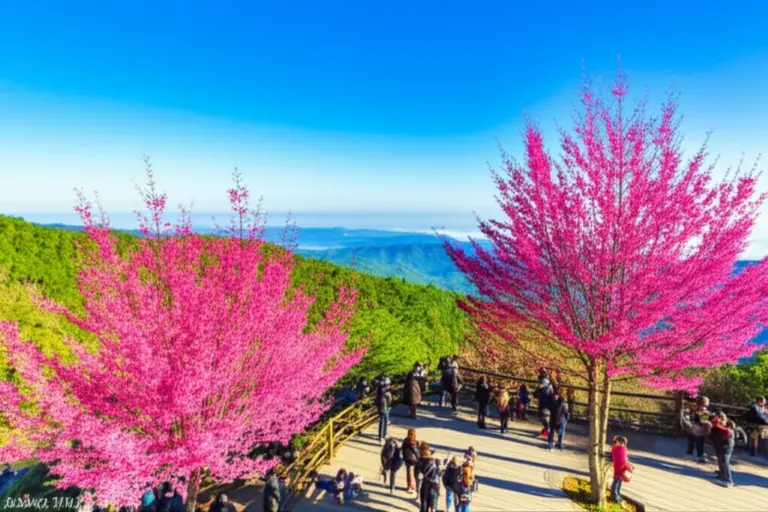
Without question, the Royal Agricultural Research Center Khun Chang Kian (สถานีเกษตรที่สูงขุนช่างเคี่ยน) offers the most dense and breathtaking concentration of cherry blossoms in the entire region. Located high up in the mountains past Wat Phra That Doi Suthep and Bhubing Palace, this research station transforms into a pink wonderland every winter. The sheer volume of trees here creates tunnels of blooms, making it an unparalleled viewpoint for photography.
Viewpoints and Photography Tips at Khun Chang Kian
-
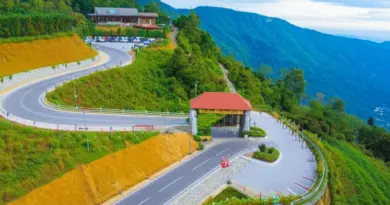
The Main Road: The winding road leading into the research station is often lined with blossoms, offering fantastic opportunities for road trip-style photos.
-
The Coffee Plantation: The station also hosts coffee plantations. The contrast between the dark green coffee shrubs and the vibrant pink blossoms is highly photogenic.
-
Morning Light: For the best results, arrive just after sunrise (around 7:30 AM). The soft, diffused light minimizes harsh shadows and enhances the pink hues.
Alternative Cherry Blossom Displays Doi Suthep–Pui Locations
While Khun Chang Kian is the star, the surrounding areas of Doi Suthep–Pui also offer beautiful, and often less crowded, viewing spots for the Himalayan Cherry. These spots are perfect for travelers seeking a more tranquil experience.
Doi Pui Hmong Village
The Hmong Hill Tribe Village, located near the summit of Doi Pui, often features scattered cherry trees that bloom beautifully against the backdrop of traditional village life and terraced gardens. This spot provides a cultural context to your nature photography. The air here is crisp, and finding a quiet corner to enjoy the view is relatively easy.
Bhubing Palace Grounds
The winter residence of the Royal Family, Bhubing Palace (พระตำหนักภูพิงคราชนิเวศน์), opens its expansive gardens to the public when the Royals are not in residence. While famous for its vast rose gardens, the palace grounds also cultivate numerous Paya Sua Krong trees. The landscaping here is immaculate, offering a highly manicured and accessible environment for viewing the blossoms.
The main cherry blossom viewing areas are concentrated on the upper slopes of Doi Suthep and Doi Pui. Khun Chang Kian is the furthest point, approximately 45 minutes to an hour drive from Chiang Mai city center, depending on traffic and road conditions.
Integrating the Trip: Nearby Attractions
A trip to see the cherry blossoms is easily combined with visits to other iconic landmarks on Doi Suthep–Pui, allowing for a full day of exploration and immersion in Northern Thai culture and natural beauty.
Wat Phra That Doi Suthep
This temple is the spiritual heart of Chiang Mai and a mandatory stop. Located on the way up to the blossom sites, its golden chedi offers stunning panoramic views of the city below. Be sure to climb the Naga staircase before continuing your journey further up the mountain.
The Mon Da Than Waterfall
For those who enjoy nature walks, the Mon Da Than Waterfall offers a peaceful detour. While not directly linked to the blossoms, it provides a cool, forested environment, especially refreshing after the sometimes-crowded viewpoints.
Essential Travel Logistics and Getting There
Accessing the high-altitude viewing spots requires careful planning, as the roads can be steep and narrow, particularly near Khun Chang Kian. Understanding your transportation options is key to maximizing your time among the Cherry Blossom Displays Doi Suthep–Pui.
Scooter/Motorbike
Suitable only for experienced riders. The steep inclines and sharp turns demand confidence, especially when navigating around slow-moving traffic during peak bloom season. Always wear a helmet and drive cautiously.
The most popular and safest option. You can hire a Songthaew from the foot of Doi Suthep or from Chiang Mai University. Ensure you negotiate the price to Khun Chang Kian before setting off, as it is further than the main temple.
Due to the popularity of the blooms, traffic can be heavy. Starting your day early (before 8 AM) is highly recommended to avoid the crowds and secure better viewing and parking spots. Remember that temperatures high up on Doi Suthep–Pui can be significantly cooler than in Chiang Mai city, so layered clothing is advisable.
To help you visualize the beauty awaiting you, here is a short video showcasing the spectacular winter blooms in the Doi Suthep area:
In conclusion, planning your visit to coincide with the brief window of the Himalayan Cherry bloom is worth the effort. Doi Suthep–Pui offers a stunning natural spectacle that adds a unique, rosy dimension to the typical Thailand Tourism itinerary, providing memories and photographs unlike anywhere else in Southeast Asia.
คำถามที่พบบ่อย (FAQ)
References
- Tourism Authority of Thailand (TAT) Official Winter Travel Information
- Doi Suthep–Pui National Park Management Details
- Floral Season 2025: Khun Chang Khian Sakura Forecast — Best Dates, Peak Bloom Predictions, and How to Plan Your Visit
- When Will Khun Chang Khian Sakura Bloom in 2025? Climate Patterns, Peak Window, and Forecasting Methods
- How to Plan Your Trip: Travel Logistics, Accommodation, Permits, and Local Events During Sakura Season