Getting Around Chiang Mai: Transportation, Costs, and Accessibility Tips for 2025 (Tuk-tuks, Songthaews, Motorbikes, Tours)
- Getting Around Chiang Mai: Transportation, Costs, and Accessibility Tips for 2025 (Tuk-tuks, Songthaews, Motorbikes, Tours)
Chiang Mai, the Rose of the North, is a captivating city that blends ancient traditions with modern charm. For any traveler to truly immerse themselves in its beauty, understanding the local transportation is key. This comprehensive guide will walk you through all the essential tips for Getting Around Chiang Mai in 2025, covering everything from iconic tuk-tuks to convenient ride-hailing apps, along with realistic costs and crucial accessibility advice. Prepare to explore this vibrant Thai city with confidence and ease.
Understanding Chiang Mai’s Transportation Landscape
Unlike the sprawling metropolis of Bangkok with its extensive BTS Skytrain and MRT subway systems, Chiang Mai offers a more localized and often charmingly chaotic array of transport options. The city center, particularly the Old City, is relatively compact and walkable. However, to truly experience the surrounding temples, markets, and natural attractions, you’ll need to utilize its diverse transport network. The key is knowing which option suits your budget, comfort level, and destination.
Popular Transportation Options and Their Costs
Tuk-tuks: The Iconic Ride
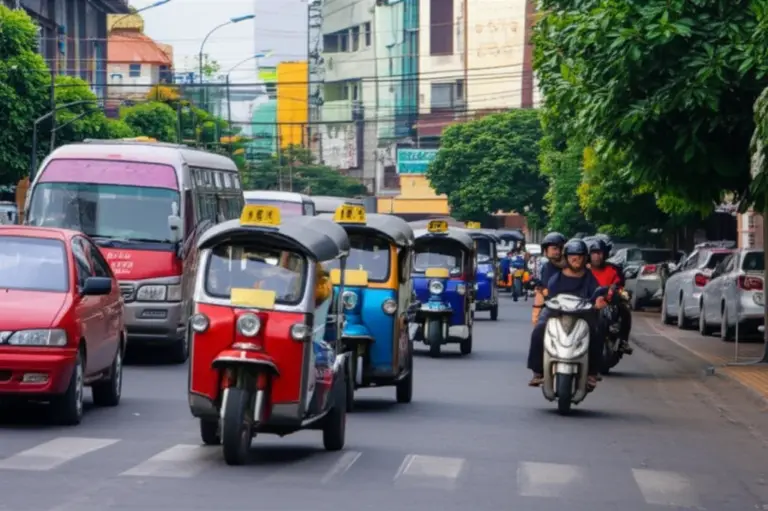
No trip to Thailand is complete without a ride in a tuk-tuk. These three-wheeled auto-rickshaws are ubiquitous in Chiang Mai and offer a quick, albeit often bumpy and noisy, way to get around. They are best for shorter distances within the city. Always negotiate the fare *before* you get in, as they do not use meters. Prices can vary widely based on distance, time of day, and your bargaining skills. For a short trip within the Old City, expect to pay 50-80 THB. Longer distances or night-time rides can range from 100-150 THB or more. Be firm but friendly in your negotiation. Some drivers might try to inflate prices for tourists, so having a rough idea of the cost helps. [7, 10, 18, 20]
Songthaews (Red Trucks): The Local’s Choice
The bright red songthaews are the backbone of Chiang Mai’s public transport. These converted pickup trucks with two rows of seats in the back operate like shared taxis. They are incredibly common, cheap, and offer a more authentic local experience. You can flag one down anywhere and tell the driver your destination. If it’s along their route or they’re heading in that general direction, they’ll quote you a price. Fares for short journeys within the city typically range from 20-50 THB per person. For slightly longer trips outside the immediate center, it might be up to 60 THB. Always confirm the price and destination before hopping on. Songthaews can be slower as they pick up and drop off other passengers. [6, 7, 10, 18, 20, 21]
Motorbike Rentals: Freedom on Two Wheels
For adventurous travelers, renting a motorbike offers unparalleled freedom to explore Chiang Mai and its stunning surrounding areas at your own pace. Rental costs are generally affordable, ranging from 100-250 THB per day for a basic automatic scooter, with newer or more powerful bikes costing up to 300 THB. [6, 10] However, it’s crucial to prioritize safety. Thailand’s roads can be challenging, and traffic is often busy. Ensure you have an international driving permit with a motorcycle endorsement, wear a helmet (often provided with the rental, but quality varies), and have appropriate travel insurance. Be wary of rental shops asking for your passport as collateral; a cash deposit is a safer alternative. [6, 10]
Ride-Hailing Apps: Grab and Bolt
For convenience and transparent pricing, ride-hailing apps like Grab and Bolt are excellent choices. Uber no longer operates in Chiang Mai, but Grab has become the dominant platform. [7, 21] Bolt is often a slightly cheaper alternative, though Grab usually has more drivers available. These apps function much like Uber, allowing you to input your destination and see the fare upfront, eliminating the need for negotiation. Prices for a 5km ride can range from 80-120 THB for Grab, and slightly less for Bolt, but can increase during rush hour or bad weather. [7] They offer both car and motorbike taxi options, providing air-conditioned comfort and added safety with driver tracking. Having a local SIM card is highly recommended for easy use of these apps. [6]
Pro Tip: Download Both Grab and Bolt!
While Grab is more prevalent, Bolt can sometimes offer better prices. Having both apps on your phone allows you to compare fares and find a driver faster, especially during peak times. [6]
Taxis and Private Cars
Traditional metered taxis are less common in Chiang Mai compared to Bangkok, mostly found at the airport. [4, 19] However, private car services can be arranged through hotels or travel agencies, offering a more comfortable and direct transfer, especially for longer distances or day trips. These are generally more expensive than other options but provide a hassle-free experience. Car rentals are also available from major international companies and local providers, with prices starting around 700-1500 THB per day. An international driver’s license is required. [6, 20]
Bicycles: Eco-Friendly Exploration
The flat terrain of Chiang Mai’s Old City makes cycling an enjoyable and eco-friendly way to explore. Many guesthouses and rental shops offer bicycles for as little as 50 THB per day. [6, 10] It’s perfect for leisurely rides around the moated city, visiting temples, and soaking in the atmosphere. However, venturing outside the Old City can mean encountering busier roads, so exercise caution. [3]
RTC Chiang Mai City Bus
Introduced in 2018, the RTC City Bus system offers air-conditioned buses on several routes, connecting key areas including the Old City, Nimmanhaemin, the airport, and major shopping centers. It’s a comfortable and budget-friendly option with a flat fare of around 30-50 THB per ride. [7, 19, 21] You can pay in cash or use a Rabbit card. Real-time tracking is available via the CM Transit mobile app. [19]
Accessibility Tips for Chiang Mai in 2025
While Chiang Mai is making strides in accessibility, it still presents challenges for travelers with mobility needs compared to more modern, developed cities. The Old City has sidewalks, but not all have drop-down curbs, and maintenance can be inconsistent. Temple interiors often require shoe removal and involve stairs, making them inaccessible for wheelchairs, though their grounds are often explorable. [17]
| Transportation Type | Accessibility Notes |
|---|---|
| Tuk-tuks / Songthaews | Can be difficult to transfer into. No dedicated space for wheelchairs. Generally not recommended for primary accessibility. |
| Grab/Bolt Cars | Best option for independent travel. Look for larger vehicles if available. Drivers are generally helpful. |
| RTC City Bus | Some newer buses may have ramps, but consistency varies. Check with operators. |
| Walking | Old City is relatively flat, but sidewalks can be uneven or blocked. Requires careful navigation. |
For wheelchair users, private vans or larger Grab cars are often the most reliable option. Many tour operators are also beginning to offer wheelchair-accessible tours to popular attractions, such as elephant sanctuaries. [8, 9] It’s advisable to communicate your specific needs to tour companies or hotels in advance. The friendly nature of Thai people often means they are willing to assist, but pre-planning is essential for a smoother experience. [16]
Organized Tours: Hassle-Free Exploration
For those who prefer a structured and stress-free way to see Chiang Mai’s highlights, organized tours are an excellent choice. Many hotels and tour agencies offer package tours that include transportation to and from attractions like Doi Suthep, elephant sanctuaries, cooking classes, and national parks. This eliminates the need to negotiate fares or navigate unfamiliar routes, allowing you to simply relax and enjoy the experience. Tours often use comfortable vans or buses, making them a good option for groups or families. [20]
To make your transportation experience in Chiang Mai as smooth as possible, keep these tips in mind:
- Bargain Politely: When using tuk-tuks or songthaews for private hire, always agree on the price *before* starting your journey. A friendly smile goes a long way!
- Have Small Bills: Drivers often prefer exact change or smaller denominations.
- Use Google Maps: This is invaluable for navigation, especially when walking or using songthaews, to ensure you’re heading in the right direction. [3]
- Stay Hydrated: Chiang Mai can be hot. Carry water, especially if walking or waiting for transport.
- Be Aware of Scams: While rare, some drivers might try to take you to gem shops or tailor stores for commissions. Politely decline if you’re not interested.
- Local SIM Card: Essential for using ride-hailing apps and Google Maps. They are cheap and readily available at the airport. [6]
คำถามที่พบบ่อย (FAQ)
The cheapest ways to get around Chiang Mai are by walking within the Old City, using songthaews (red trucks) for shared rides (typically 20-50 THB), or renting a bicycle (around 50 THB/day). The RTC City Bus is also a very affordable option. [6, 7, 10, 21]
Yes, Grab is widely available and is the leading ride-hailing app in Chiang Mai. Bolt is another popular and often cheaper alternative. Uber no longer operates in the city. [7, 21]
Yes, technically you need an international driving permit with a motorcycle endorsement to legally rent and ride a motorbike in Thailand. While some rental shops may not ask for it, you could face fines if stopped by police without one. [3, 6, 10]
Chiang Mai is improving but still presents challenges for wheelchair users. Sidewalks can be uneven, and many temples have stairs. Grab cars are generally the most accessible independent transport option, and some specialized tour operators offer accessible tours. [8, 9, 16, 17]
Conclusion
Getting Around Chiang Mai in 2025 is an integral part of the Northern Thai travel experience. With a diverse range of options, from the charm of a tuk-tuk to the modern convenience of ride-hailing apps, you’re well-equipped to explore this enchanting city. By understanding the costs, knowing how to navigate, and being aware of accessibility considerations, your journey through Chiang Mai will be as smooth and enjoyable as the city itself. Embrace the adventure, and let the Rose of the North unfold before you!
References
- How to get around in Chiang Mai – Transportation Methods – YouTube
- Getting Around Chiang Mai – Transportation in Northern Thailand – YouTube
- How Do You Get Around Chiang Mai? – Exploring Southeast Asia – YouTube
- Getting around in Chiang Mai – travel guide – 2025 – The Backpacking Family
- Getting Around Chiang Mai On The Cheap (We Did it All) – wehatethecold
- The BEST Chiang Mai Wheelchair accessible 2025 – FREE Cancellation – GetYourGuide
- Transportation in Chiang Mai and how to get around the city and province
- How much spending money do I need for Chiang Mai? – 2025 guide – Exiap
- 13 Ways of Getting Around Chiang Mai (Northern Thailand)
- How to get around Chiang Mai – Lonely Planet
- Getting Around Chiang Mai – Chiang Mai Transportation – Hotels.com
- Best Way to Get Around Chiang Mai: Everything You Need To Know – GetYourGuide
- Chiang Mai Attractions 2025: The Ultimate Guide to Top Sights, Hidden Gems, and Practical Tips
- Best Things to Do in Chiang Mai 2025 — Temples, Night Markets, Nature Excursions, and Cultural Experiences
- Planning Your Chiang Mai Itinerary 2025 — How Many Days to Stay, Sample Day-by-Day Plans, and Seasonal Considerations