Golden Pavilion (Ho Kham Luang) guide — history, architecture, photography spots and cultural etiquette
- Golden Pavilion (Ho Kham Luang) guide — history, architecture, photography spots and cultural etiquette
- A Glimpse into History: The Story of Ho Kham Luang
- Architectural Marvels of the Golden Pavilion
- The Best Photography Spots at Ho Kham Luang
- Navigating to the Golden Pavilion (Royal Park Rajapruek)
- Essential Cultural Etiquette for Visitors
- Planning Your Visit and Practical Tips
- คำถามที่พบบ่อย (FAQ)
- Is the Golden Pavilion (Ho Kham Luang) a functioning temple?
- Where exactly is the Golden Pavilion located?
- Do I need to cover my shoulders and knees to visit?
- What is the best time of day for photography at the Golden Pavilion?
Welcome to the enchanting world of Northern Thai artistry. As a dedicated Thailand travel expert, I am thrilled to present this comprehensive Golden Pavilion (Ho Kham Luang) guide, focusing on one of Chiang Mai’s most culturally rich and architecturally stunning sites. Often confused with the famous Wat Phra That Doi Suthep, the Golden Pavilion, or Ho Kham Luang, offers a unique, serene experience rooted deeply in Lanna history. This guide will equip you with everything needed for an unforgettable visit, from understanding its origins to capturing the perfect shot while respecting local traditions.
A Glimpse into History: The Story of Ho Kham Luang
The Golden Pavilion, or Ho Kham Luang, is not a traditional temple (Wat) but rather a magnificent exhibition hall located within the grounds of the Royal Park Rajapruek (also known as the Royal Flora Ratchaphruek Park) in Chiang Mai. Its history is relatively modern compared to ancient temples, yet deeply significant to the region’s cultural preservation efforts. It was originally constructed for the Royal Flora Ratchaphruek Exposition in 2006, an international horticultural fair celebrating the 60th anniversary of King Bhumibol Adulyadej’s accession to the throne.
The Lanna Heritage Reimagined
The pavilion was designed to showcase the pinnacle of traditional Lanna architecture, the style unique to Northern Thailand. It serves as a living museum, preserving and exhibiting the intricate craftsmanship that defines this historical region. The structure itself is a testament to the dedication of Thai artisans who utilized time-honored techniques in its construction and ornamentation. Understanding this context elevates the visit from mere sightseeing to cultural appreciation.
Architectural Marvels of the Golden Pavilion
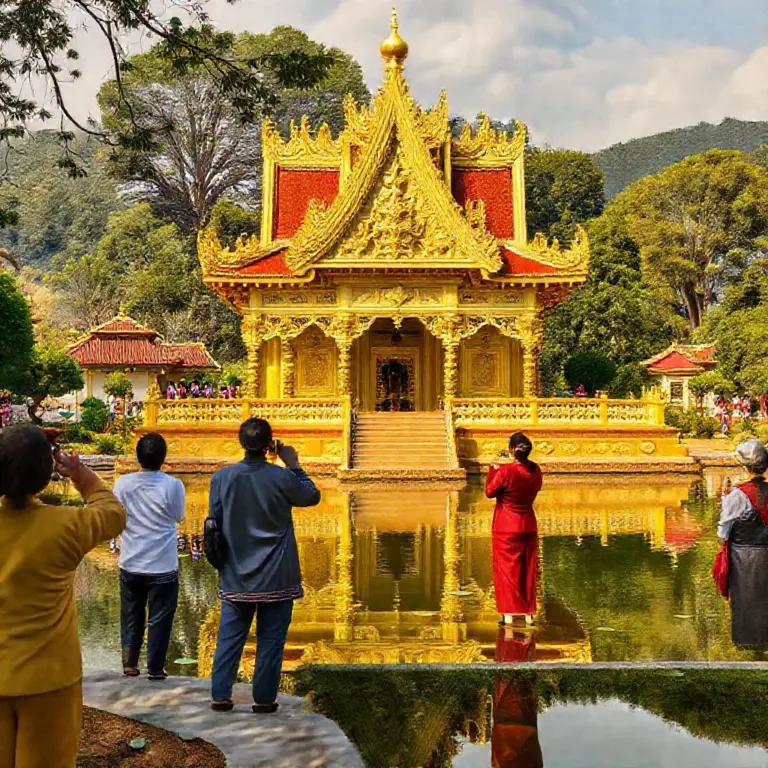
The architecture of Ho Kham Luang is breathtaking, characterized by sweeping, multi-tiered roofs, intricate wooden carvings, and elevated structures typical of Lanna royal residences. It’s a masterclass in balance and detail, utilizing natural materials that harmonize with the lush surroundings of the park.
Key Architectural Features
Intricate Woodwork and Carvings
Look closely at the eaves and gables. You will find incredibly detailed carvings depicting scenes from Buddhist Jataka tales or traditional Lanna motifs. These carvings are often gilded, contributing to the pavilion’s golden appearance.
- The Roof Structure: Features multiple overlapping tiers, designed not only for aesthetics but also for excellent ventilation in the tropical climate.
- The Elevated Base: The structure sits atop a raised platform, historically used for protection against floods and to signify importance.
- The Use of Teak: Much of the original structure utilizes high-quality teak wood, renowned for its durability and beauty.
The Interior Exhibition
Inside the Golden Pavilion, visitors can explore exhibits detailing the history of the Royal Flora project, the cultural significance of various plants, and displays showcasing Lanna artifacts and traditional arts. It’s an educational journey complementing the visual splendor outside.
The Best Photography Spots at Ho Kham Luang
For photography enthusiasts, the Golden Pavilion offers spectacular framing opportunities. The combination of golden spires against blue skies or lush greenery provides dynamic contrast. To truly maximize your shots, timing and perspective are key.
| Spot | Best Time | Tip |
|---|---|---|
| Main Facade | Early Morning (7:30 AM – 9:00 AM) | The soft morning light illuminates the gold without harsh shadows. Use a wide-angle lens. |
| Reflections in the Pond | Late Afternoon (4:00 PM – 5:30 PM) | Capture the stunning reflection shot. Wait for calm water for mirror-like precision. |
| The Wooden Balconies | Midday (for interior shots) | Use the intricate railings as foreground elements for depth. |
Capturing the Video Experience
To give you a better sense of the grandeur and surroundings, here is a short video showcasing the beauty of the Royal Park and the pavilion itself:
The Golden Pavilion is situated within the vast Royal Park Rajapruek, which requires its own entry ticket. It is located slightly outside the main historical center of Chiang Mai, making transportation planning essential.
Location Overview
For easy navigation, here is the location of the park where the pavilion resides:
Essential Cultural Etiquette for Visitors
As a site of cultural significance, adherence to local customs is paramount. Respectful behavior ensures the preservation of the site and shows deference to Thai culture. This is a crucial part of our Golden Pavilion (Ho Kham Luang) guide for responsible tourism.
- Dress Modestly: Shoulders and knees must be covered, both for men and women. While the park is generally more relaxed than a formal temple, the pavilion itself demands respect.
- Remove Footwear: Before entering the main hall or any elevated wooden areas, always remove your shoes. Look for designated shoe racks.
- Quiet Voices: Maintain a low volume indoors. The pavilion is a place for quiet contemplation and appreciation of the artistry.
- No Touching Artifacts: Do not touch the walls, carvings, or any displayed items unless explicitly permitted.
- Photography Rules: While photography is generally allowed, check for signs prohibiting flash photography, especially inside exhibition areas.
Planning Your Visit and Practical Tips
To make the most of your trip, plan to dedicate at least half a day, as the Royal Park itself is expansive and features dozens of themed gardens in addition to the Golden Pavilion.
The park often hosts seasonal events, so checking their official schedule before arrival can enhance your experience. Remember that the entrance fee for the Royal Park Rajapruek is separate from temple donations. Enjoy the tranquility and the sheer artistic mastery displayed at this magnificent Lanna treasure!
คำถามที่พบบ่อย (FAQ)
References
Official Royal Park Rajapruek Information
Tourism Authority of Thailand Official Site
- Royal Park Rajapruek 2025: Bloom Calendar, Highlights and How to Plan the Perfect Visit to the Golden Pavilion
- Best times to visit Royal Park Rajapruek 2025 — complete bloom calendar, peak flowering weeks and weather tips
- Top seasonal attractions and floral zones — what’s blooming in each month, must-see gardens and special exhibits in 2025